
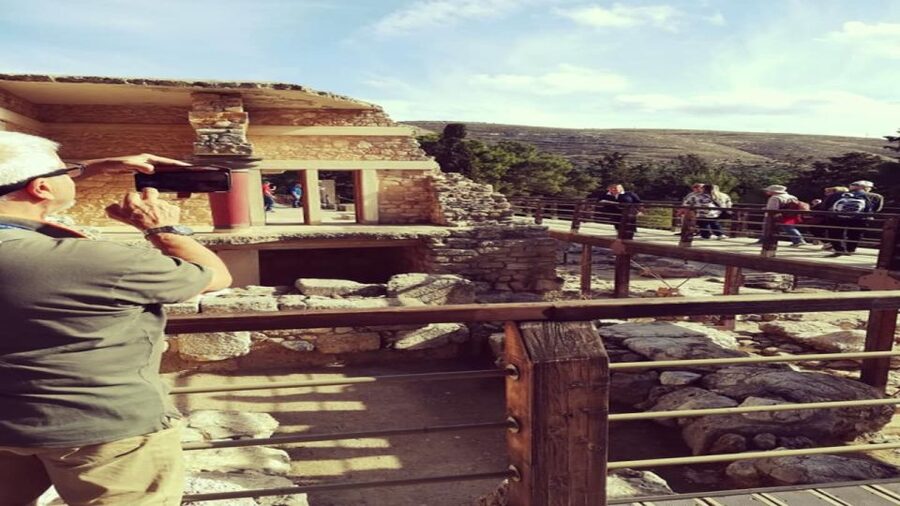
Reviewed · CRETE
Archaeological and Natural Beauties of South Central Crete
Minoans, Romans, and a swim, in one day. This south central Crete outing connects Phaistos with the Gortyn Law Code, then gives you real time to cool off at Matala. I especially like the mix of archaeology you can stand in, plus the break where you’re not stuck behind a museum wall. One thing to consider, though, is the day runs fairly full, with walking on ancient sites where comfy shoes matter.
What makes it work well is the pacing between big stops. You’ll move by air-conditioned coach through the Mesara valley, learn what you’re seeing, then end in Zaros, a calmer village tied to springs, Byzantine monasteries, and lake views. Guides like Sophia, Angeliki, Irini, and Rita are mentioned in past departures for clear, site-focused explanations, which is exactly what you want when ruins start to blur together.
In This Review
- Key highlights you’ll actually feel
- A route that maps Crete from Heraklion to Zaros
- Gortyna on arrival, including the Gortyn Law Code
- Phaistos Palace, your Minoan reality check in the Mesara valley
- Matala free time for lunch and a real swim break
- Zaros, Byzantine monasteries, springs, and trout at Lake Votomos
- Price and value, plus the costs you should plan for
- Timing, walking comfort, and who this fits best
- Should you book this South Central Crete day?
- FAQ
- Where is the meeting point in Heraklion?
- How long is the tour?
- What is included in the price?
- Is lunch included, and how much does it cost?
- Do we get time to swim?
- What languages are available for the live guide?
- What is the cancellation policy?
Key highlights you’ll actually feel
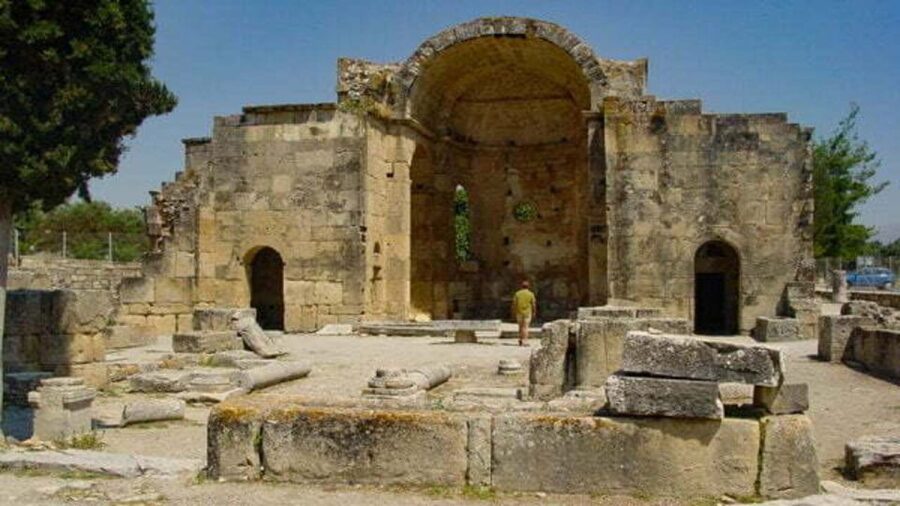
- Gortyna and the Gortyn Law Code, one of the standout ties between ancient life and real rules
- Phaistos Palace, a major Minoan center in southern Crete, not just another stop
- Matala free time, including optional lunch and a chance to swim in clear water
- Zaros springs and monastery time, with a village that still feels refreshingly unspoiled
- Lake Votomos nearby, plus farm-raised trout served in local tavernas
A handful of other ways to spend the day in Heraklion.
- Heraklion: Dia Island Sailboat Cruise with Swimming and Meal
★ 4.8 · 2,579 reviews - Heraklion Area: CRETAquarium Admission Ticket
★ 4.4 · 2,055 reviews - Crete: Palace of Knossos E-Ticket and Audio Guide
★ 3.8 · 1,540 reviews - Crete: Sunset or Morning Quad with Local Products Tasting
★ 4.9 · 1,135 reviews - 5Hour Safari Tour in Crete(Heraklion)with Quad,Jeep,Buggy & Lunch
★ 5.0 · 941 reviews
A route that maps Crete from Heraklion to Zaros
You start in Heraklion and head south on a route that feels like a story in chapters. The meeting point is across from the entrance of the Heraklion Archaeological Museum, in front of Hari’s Creperie, where you link up with Cretan Spiti Travel and board the motorcoach.
The schedule is built around a classic rhythm: one historic anchor, a short transfer, another major site, then a lifestyle break with swimming, and finally a slower, more nature-friendly finish. The total day runs about 8.5 hours, and the coach ride time matters because it lets you cover serious ground without turning your day into pure transit.
If you like when your guide connects what you see to the wider geography, this one fits. Between stops, you get explanations about Crete’s history and what you’re looking at from the car window, which helps Phaistos and Gortyna feel less like random ruins and more like part of one region.
Gortyna on arrival, including the Gortyn Law Code
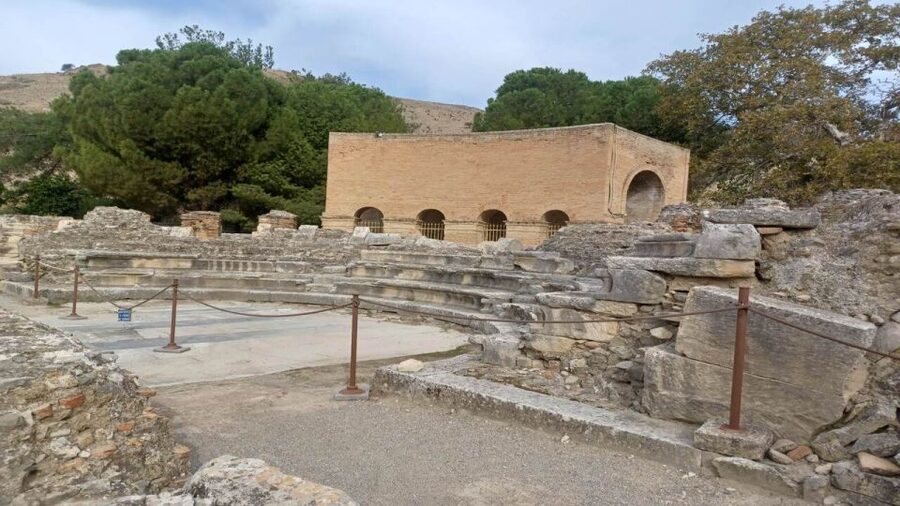
Gortyna is your first big culture hit, and it’s a strong choice for warming up your brain. This was the Roman capital of Crete and Cyrenaica, with first settlement dating back around 3200 BC, so the site has layers. Even if you’re new to Crete’s ancient world, that time span gives you instant context for why later civilizations cared about this area.
The highlight here is the Gortyn Law Code. Standing near legal inscriptions in an open-air site changes the experience. You’re not just admiring marble. You’re looking at how society functioned, what people expected, and how rules were carved into the physical world.
What I like about this stop is that it’s not only about names and dates. You get a sense of how power worked, then you move on to the next chapter in the story. The transfer after Gortyna is short enough that you’re not completely drained before Phaistos, which is a big relief on a full day.
Practical note: Gortyna is an archaeological site, so you should expect uneven ground and some walking. Bring comfortable shoes and give yourself a moment before the tour to settle into “ancient ruins feet,” not city shoes.
Phaistos Palace, your Minoan reality check in the Mesara valley
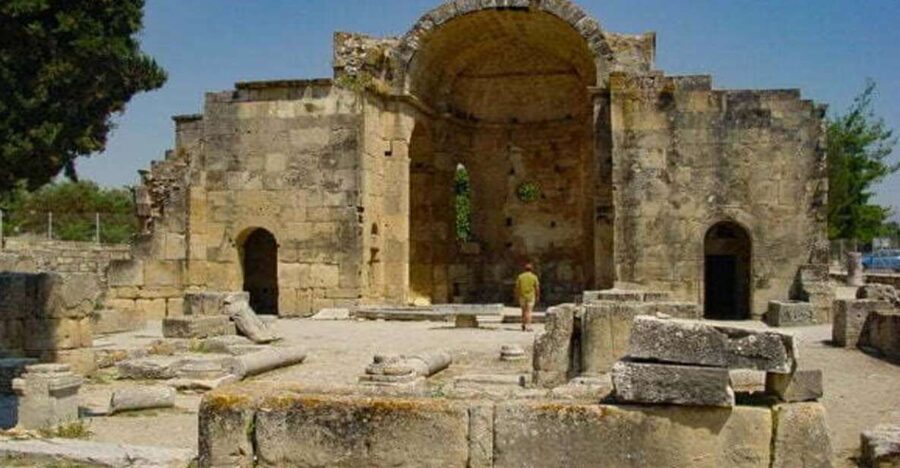
Then you head through the Mesara valley to Phaistos, one of the most important centers of Minoan civilization in southern Crete. The palace complex is the star, and it’s powerful because it’s built to make you imagine daily life: administration, storage, ritual spaces, and the kind of organization that lets cities rule territory.
This is the stop that usually makes people go quiet in a good way. It’s easy to read about the Minoans. It’s harder to actually grasp scale. At Phaistos, you can see why it was described as wealthy and powerful in its region, and why so many other sites orbit around it in importance.
If you like your ancient sites with explanations, this is where they pay off. A good guide turns the visible structures into a mental map. You start noticing alignments, construction details, and how the palace likely functioned as a center rather than a fancy residence.
One small drawback: because it’s a major site, you’ll want to pay attention the first time your guide points something out. It’s tempting to wander, but if you want the best payoff, stay close when key points are explained. The time here feels designed for learning without rushing you, though it’s still a fixed tour pace.
Matala free time for lunch and a real swim break
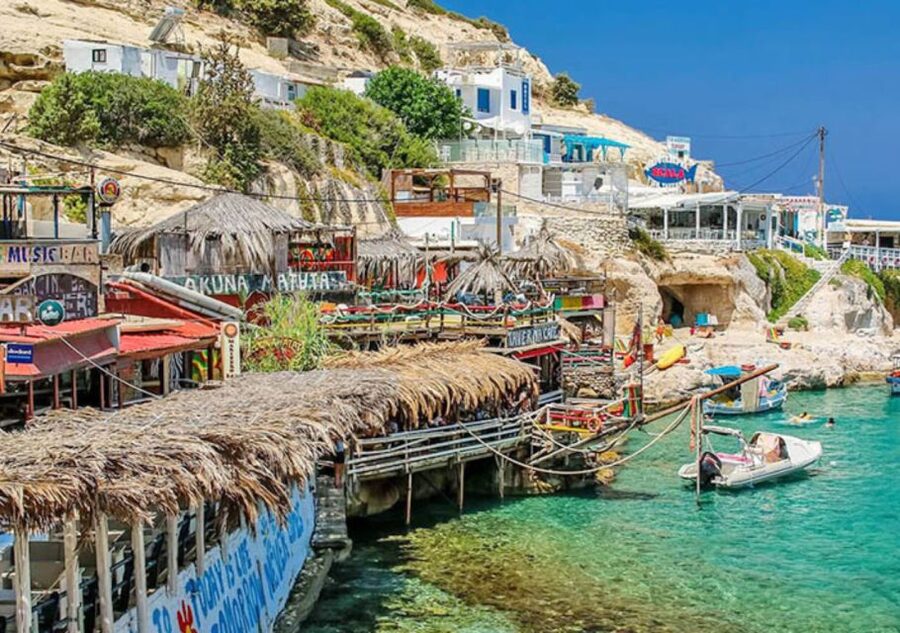
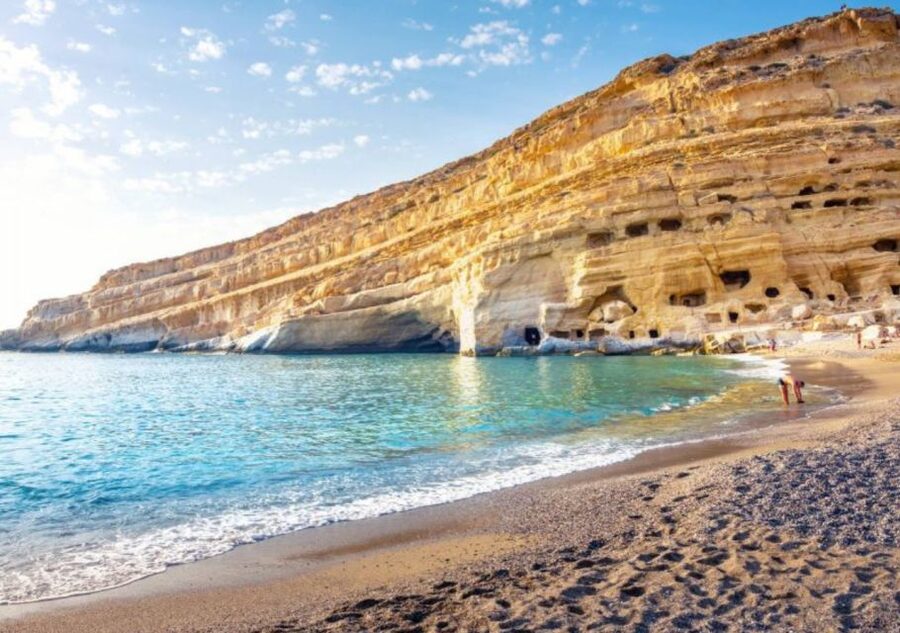
After Phaistos, the day shifts from stone to water. You drive to Matala, the ancient port of Phaistos and Gortys, and you get free time to enjoy the famous surroundings.
The best part is the option to swim in the crystal clear water. This is the kind of stop that changes your energy level fast. It’s also practical: you’re not spending the break only in a chair. You’re getting a reset that still fits the “archaeology and nature” theme.
Lunch is optional. You might plan for an extra expense since lunch in a restaurant during the tour is listed at 20.00 €. The tour includes the time slot for it, but your appetite and priorities will decide whether you treat it as a formal lunch or a casual meal before or after swimming.
What I like about Matala in this itinerary is that the port setting connects the past to a simple modern pleasure. You’re standing in a coastal area that once mattered for trade and movement, then you get to experience it as a place people still enjoy for water time.
Tip for your comfort: bring or buy swim-ready essentials before you arrive, because you’ll want to be quick to switch from ruins mode to beach mode.
Zaros, Byzantine monasteries, springs, and trout at Lake Votomos
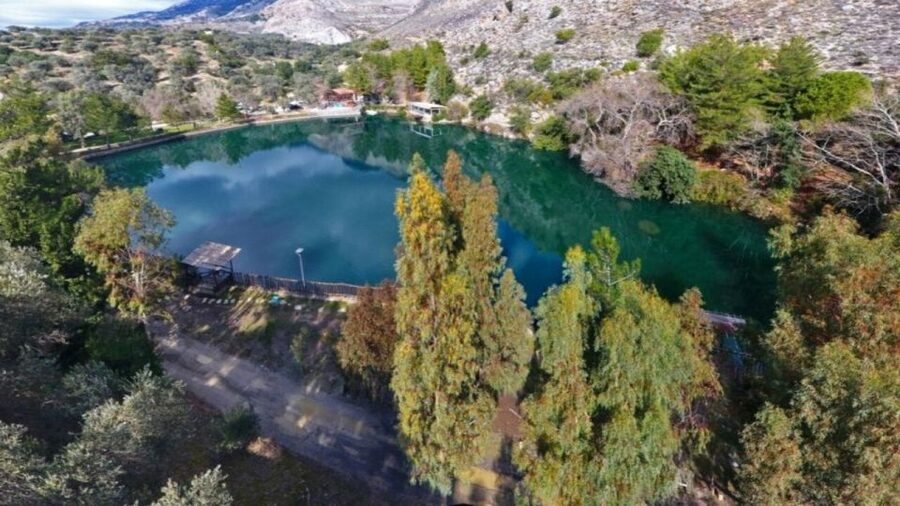
Zaros is the cool-down stop, and it’s a smart ending. The village is known as attractive and refreshingly unspoiled, with spring water that is now bottled and sold across Greece. That detail adds fun texture. You’re not just visiting a pretty place, you’re visiting a source that still ships its water far beyond the village.
Zaros also has fine Byzantine monasteries. That matters because the day has already covered ancient Minoans and Roman structures. The monasteries give you a different kind of Crete, where history is still tied to faith and daily rhythm, not only to past power.
Then there’s food and scenery. You’ll visit Lake Votomos, and farm-raised trout is served in tavernas around town and on the lake area. If you’re the type who likes ending with a local meal in a setting that feels earned, this is where you get it.
Why I think this ending works for many people: the day doesn’t just end with another monument. It ends with an option to stroll, look at water, and eat something that fits the region. Also, Zaros serves as a natural base for walkers, so even if you’re not planning a long hike, you can still feel the outdoors around you.
One consideration: this portion is more relaxed, so it can tempt you to slow down too much. Keep an eye on your timing, especially if you want to eat trout and still have time for monastery viewing and a bit of walking.
Not ready to stop exploring Heraklion? Try one of these.
Price and value, plus the costs you should plan for
The tour price is listed at $129 per person, and for this kind of route, it’s fairly logical value. You’re paying for an air-conditioned motorcoach, a professional guide, and VAT and legal taxes included. In practice, that reduces the headache of arranging separate tickets and private transport for multiple sites across a big chunk of Crete.
The main extra cost to plan for is lunch. Lunch in a restaurant during the tour is listed at 20.00 €, and drinks are not included. You’ll also need to budget for any personal purchases like water, snacks, or swim items, since the tour won’t supply those.
Pick-up or drop-off transfers are not included, so you’ll want to be at the meeting point on time. If you’re staying in Heraklion, this is usually manageable. If you’re far out, factor in your own local transport so you don’t get stressed.
Overall, I think the value is strongest if you care about having context. Sites like Phaistos and Gortyna are much more satisfying when someone explains what you’re seeing while you’re there. Past guide assignments mentioned Sophia, Angeliki, Irini, and Rita for being attentive to details and not rushing, which is exactly what helps you get your money’s worth in a day like this.
Timing, walking comfort, and who this fits best
This is an 8.5-hour day, which means you’ll spend meaningful time on your feet at archaeological sites and enough time on board to stay comfortable. The tour is not suitable for people with mobility impairments, so if that’s relevant, you’ll want to look for a different option that better matches your needs.
For most people, the biggest physical challenge is likely the mix of uneven ground and steady walking at ruins. Comfortable shoes aren’t a nice suggestion here. They’re the difference between enjoying Phaistos and just trying to survive it.
Also, the tour includes a structured route with set stops. If you love long, slow wandering with no schedule, you may find this day a bit focused. If you like a guide who gets you to the key points with the right amount of time at each site, this format is a good fit.
Who it suits best:
- First-time visitors who want a strong slice of south central Crete without planning car logistics
- People who like Minoan and Roman sites with clear explanations, then a nature or swim break
- Travelers who enjoy ending in a smaller village rather than rushing straight back to a city
One last note for families and groups: unaccompanied minors are not allowed, so you’ll want to travel with adults who can stay with younger members.
Should you book this South Central Crete day?
I’d book it if you want one day that mixes Phaistos, the Gortyn Law Code, a real coastal break at Matala, and a quieter finish in Zaros with monasteries and lake time. It’s also a solid choice if you like guided context, because the major sites here make the biggest difference when someone explains them in the moment.
Skip it if you hate walking on archaeological terrain, need a more flexible schedule, or you’re looking for a fully self-paced day. Also, if lunch and drinks matter to you, plan for the extra spend so there are no surprises at Matala.
If you’re aiming for value and a balanced mix of ancient plus natural, this itinerary is easy to recommend.
FAQ
Where is the meeting point in Heraklion?
You meet across from the entrance of the Heraklion Archaeological Museum, in front of Hari’s Creperie, Heraklion.
How long is the tour?
The duration is 8.5 hours.
What is included in the price?
The tour includes an air-conditioned motorcoach, a professional guide, and VAT and all legal taxes included.
Is lunch included, and how much does it cost?
Lunch is not included. Lunch in a restaurant during the tour is listed at 20.00 €, and drinks are not included.
Do we get time to swim?
Yes. At Matala, you have free time that includes the opportunity to swim in the crystal clear water.
What languages are available for the live guide?
The live tour guide is offered in Spanish, English, French, and Italian.
What is the cancellation policy?
You can cancel up to 24 hours in advance for a full refund.
Recently Published: Heraklion Tours
- Half-Day Private Tour in Two Wineries and Archanes from Heraklion★ 5.0 · 1 review
- Minoan Crete: Knossos Palace & Heraklion Museum with Winery★ 5.0 · 1 review
- Heraklion Museum Ticket and City Audio Tour★ 5.0 · 1 review
- Knossos Palace Wine Raki & Olive Oil tasting in Heraklion★ 5.0 · 1 review
- KNOSSOS PALACE private tour ( with Transfer from Heraklion Prefecture )★ 5.0 · 1 review
- Makrigialos-Ierapetra: Jeep Safari 4×4 Off Road Tour★ 5.0 · 1 review
- From Heraklion: Private Sailing Trip with our Hanse 470★ 5.0 · 1 review
- Private Transfer from Heraklion Airport to Elounda★ 5.0 · 1 review