
Reviewed · CRETAN MONASTERY TOURS
Chania Monasteries Private Tour: A Greek Orthodoxy Tribute
Orthodox Cretan sites have a special pull. This Chania private tour is built around Christian tradition in the places most visitors miss, with a Byzantine archaeology historian guiding you through monasteries, chapels, and church remains that feel both remote and real. I love the mix of sacred spaces and quiet scenery, and I love that you get clear explanations for what you are actually seeing.
A rare highlight is the Underground Church of St. Spyridon, plus stops that tie religion to daily life through time. The one drawback to plan for is practical: you will need proper church clothing, and you are also responsible for any entrance fees, since they are not included.
This is a 7.5 hour private experience from Chania with a modern air-conditioned vehicle, free hotel pickup and drop-off in central areas, and flexible stops when your group wants a slower pace. If you like history that you can walk through, talk through, and look closely at, this tour makes a strong case.
In This Review
- Key highlights you should care about
- Why Chania monasteries feel different from typical church stops
- Your guide: Apostolis and the historian style
- First stop: the unknown Byzantine church complex ruins
- East Chania, and the 12 Gods connection you did not expect
- The 1600s monastery stop, and why the altar is a big deal
- Olive oil, an abandoned mill, and the church economy of survival
- Coffee in a traditional village and a talk with the monastery superior
- Akrotiri monasteries: remote roads, active routines, and big views
- The Underground Church of St. Spyridon, plus a final Virgin Mary chapel
- Price and what $176 gets you for 7.5 hours
- Getting ready: clothing rules and how to avoid day-of problems
- Who should book this tour, and who might feel the mismatch
- Should you book the Chania Monasteries private tour?
- FAQ
- How long is the Chania monasteries private tour?
- Where does pickup and drop-off happen?
- Is this tour private?
- What churches or special sites are included?
- What is included in the price?
- Are entrance fees included?
- What language is the guide?
- Is the tour wheelchair accessible?
- What should I wear to monastery stops?
Key highlights you should care about
- Underground Church of St. Spyridon: a rare Orthodox stop that changes how you picture Chania’s faith history.
- Byzantine era church remains: early doctrine and liturgy explained in plain terms as you walk through ruins.
- Monastery linked to Mount Athos traditions: the tour connects Cretan monastic life to a wider Orthodox world.
- A 1600s monastery visit with ritual details: you learn what the altar area means and how ceremonies shaped the space.
- Abandoned olive mill stop: you see how olive oil production connected to survival and donations over centuries.
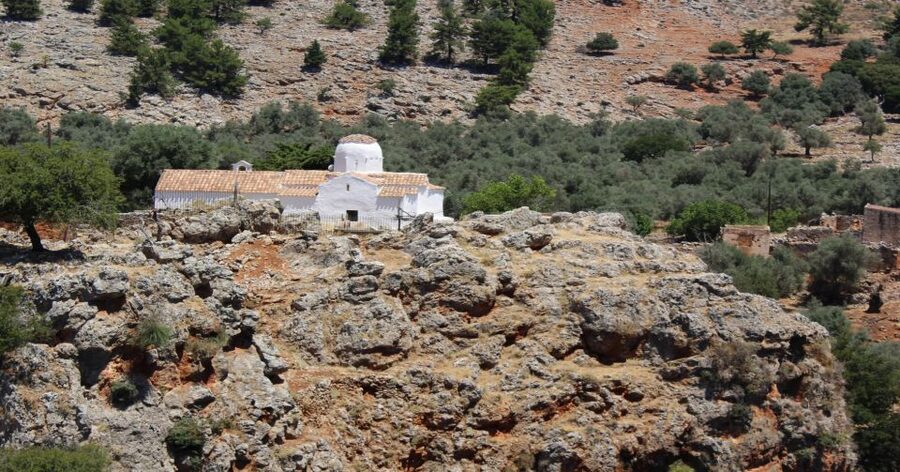
- Views from a white-washed Virgin Mary chapel: a big finishing moment, ideal for photos if the weather cooperates.
Frescoed chapels tucked into the hills
- Chania: Hiking through History and Hidden Gems at Katholiko Bay
★ 4.0 · 19 reviews - Shore Explore Chania: City Charm, Beach, Monastery & Winetasting
★ 5.0 · 13 reviews - Chania Private Tour: Monastery, Scenic Gorge & Mountain Views
★ 5.0 · 12 reviews - Monastery, Elafonissi and Winery Tour from Chania
★ 5.0 · 8 reviews - Chania Old Town, Public Market and Chrisopigi Monastery Tour
★ 4.5 · 6 reviews
Why Chania monasteries feel different from typical church stops
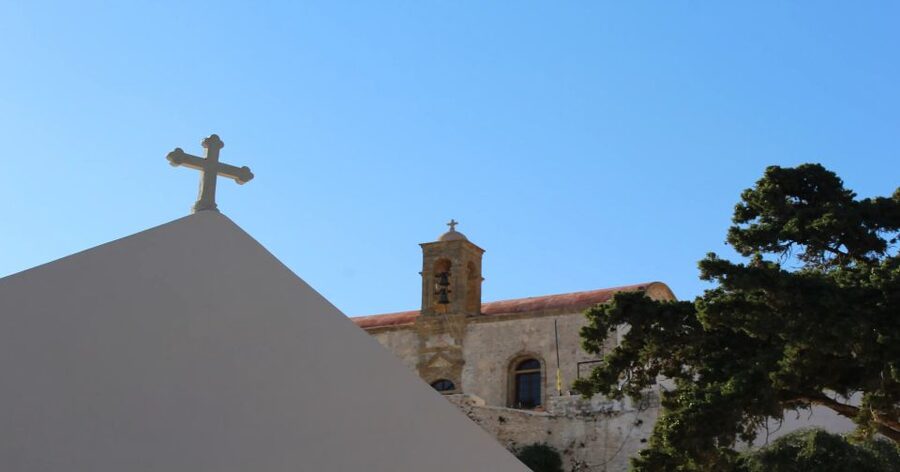
Chania is not only about pretty streets and Venetian facades. It also has Orthodox layers that sit in caves, small chapels, monastery grounds, and half-forgotten ruins outside the usual tourist loop. This tour leans into that side of Crete, and it treats churches like living culture, not just buildings to photograph.
What makes it work is the pairing of places plus context. You’re not just looking at walls, you’re learning how liturgy, ritual space, and community needs shaped what was built and what was kept. That framing turns a “church visit” into a story you can track as the day moves east.
Your guide: Apostolis and the historian style
The tour is led by a professional guide certified by the Greek Ministry of Tourism, specializing in Byzantine archaeology. In the field, the guide who often runs these days is Apostolis, and the vibe is easy going but very focused on details.
I especially like how the guide has room for you. You can take your time at each stop, and the tour can shift toward what you personally enjoy, including monasteries by the water. It’s not a rush-through. It feels like a thoughtful day with someone who actually enjoys explaining the why behind the stones.
Also, the tour is private, so you are not locked into the pace of a large bus group. That matters with religious sites, where clothing rules and quiet spaces mean you often need a little more time than you expect.
First stop: the unknown Byzantine church complex ruins
Your day starts with ruins of an unknown church complex in the Chania area. Walking through remains like this is a different experience than entering a fully intact church, because you have to picture the original space from fragments. That is exactly why the historian angle matters.
You learn ancient Orthodox doctrines and how the divine liturgy was carried out, then you look at the layout and altar area with new eyes. Even if you are not a theology person, the explanation makes the architecture feel purposeful. Instead of “what is this place,” it becomes “why would they build it like this.”
This early stop also sets the tone for the entire day: you are moving through time, not just geography.
East Chania, and the 12 Gods connection you did not expect
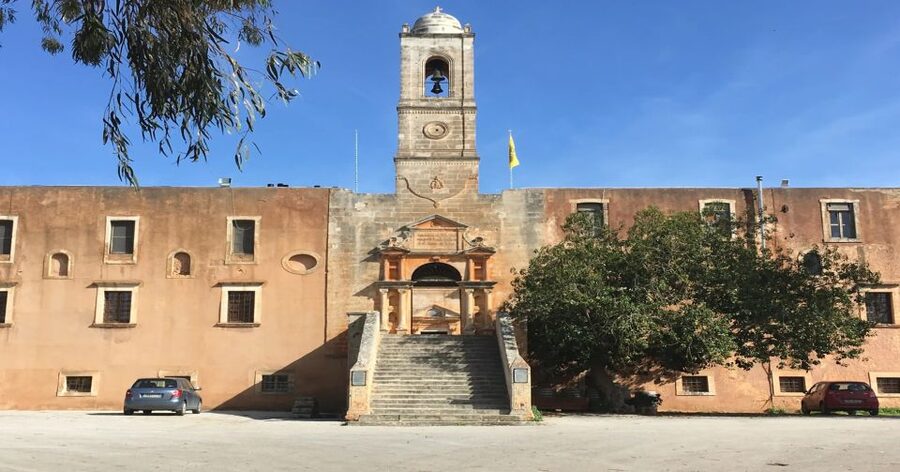
After the ruins, you head toward the east parts of Chania. Here the guide brings in an intriguing thread: the ancient deities of Mount Olympus, specifically the 12 Gods, and their relationship to prosperity, especially in the farming sector.
That might sound like a weird detour on an Orthodox tour, but it helps you understand something about Crete. The island’s belief layers did not arrive in a vacuum, and the farming life was always central. Even as Orthodox Christianity took hold, the rhythms of agricultural life remained a constant reality that religion had to connect to.
If you like the way history overlaps, this part is a nice curveball. If you only want strictly church and monastery content, it can still be a useful bridge for understanding why monasteries and churches mattered so much to survival.
The 1600s monastery stop, and why the altar is a big deal
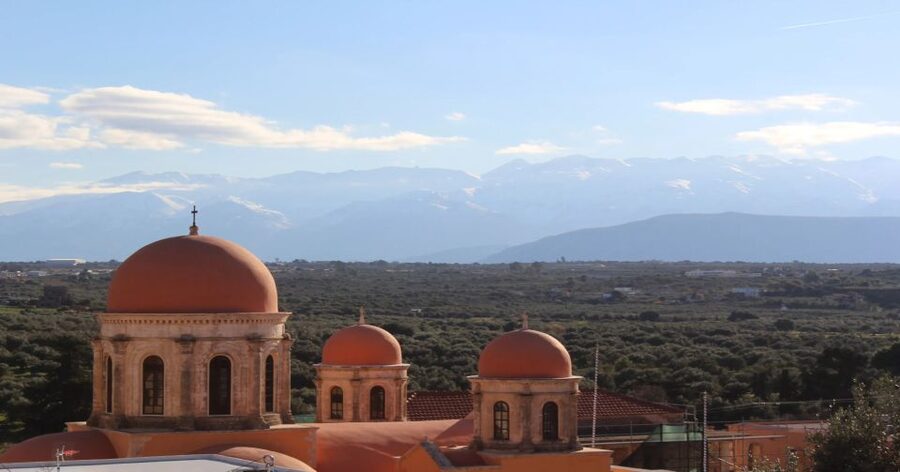
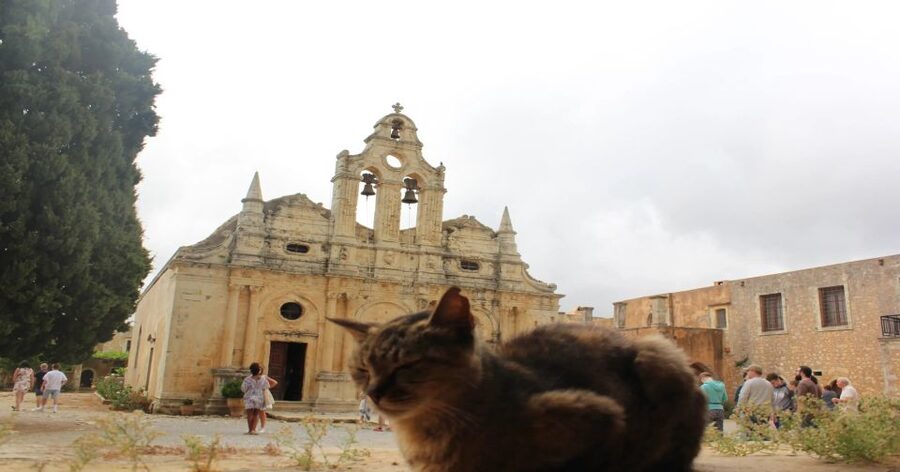
A monastery dating back to around 1600 is one of the key visits, with time to admire Byzantine archaeology details along the way. The guide focuses on the significance of the altar and explains rituals and celebrations that happen inside Cretan monasteries.
This is one of those moments where the explanation improves your eyesight. When you understand what the altar area represents, the church interior starts to read like a map. You notice the roles of space, not just the beauty of icons or stonework.
This stop also connects Crete and the Byzantine Empire in a tangible way. You are not hearing vague mentions of Byzantium, you are seeing how archaeology and church design reflect that historical link.
Plenty else to see around Chania
Olive oil, an abandoned mill, and the church economy of survival
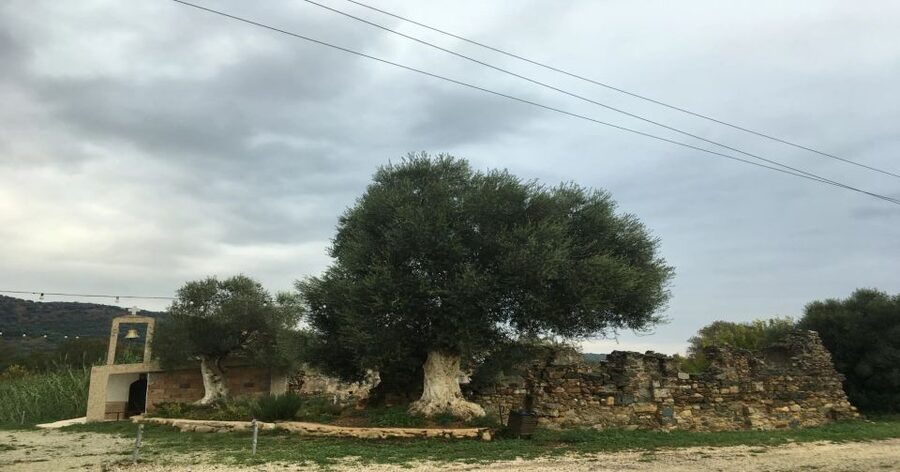
Next comes a nearby abandoned olive mill, and it is a smart choice for anyone who finds churches more real when they connect to everyday life. You get a guided walk through the process of olive oil production and how tedious work fed communities.
Then the tour ties that labor to the church’s resources. You learn about the enormous assets Orthodox churches could hold through centuries of tradition and donations from pilgrims. In practical terms, it’s how a monastery complex could survive, support visitors, and maintain its sacred spaces.
This stop can feel surprisingly emotional if you have ever tried to imagine life without modern supply chains. It also gives your brain a break from architecture, because now you are thinking like a Cretan farmer and craftsman.
Coffee in a traditional village and a talk with the monastery superior
At this stage of the day, you get both a human moment and a calm one. There is a coffee break in a traditional Cretan village, and the guide gives you time to reset before the more remote monastery country.
You also get to broaden your horizons with a talk to the superior of the monastery. The tour is careful about how this kind of interaction works, and the value here is not just “spiritual talk,” it is perspective. You get to hear how monastic life and religious tradition connect to the people around it.
In a private setting, these conversations can be more relaxed. You can also ask the questions that have been building all day, especially if you have been wondering about how ritual space relates to how people live.
Akrotiri monasteries: remote roads, active routines, and big views
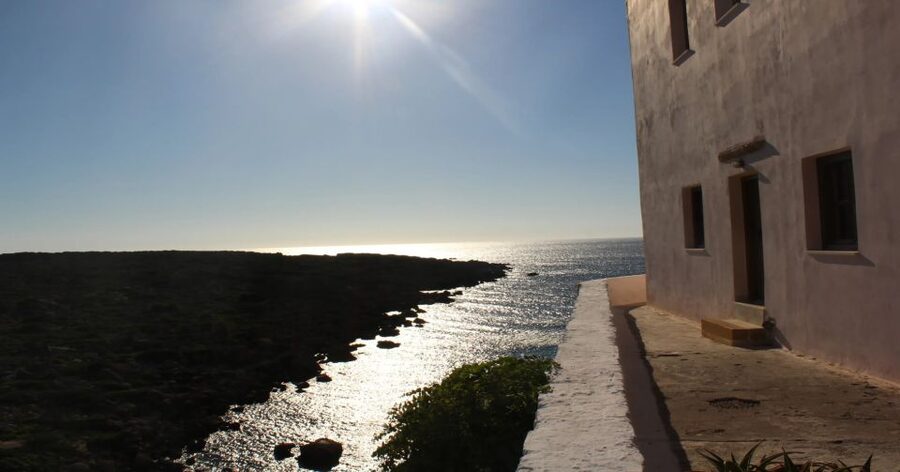
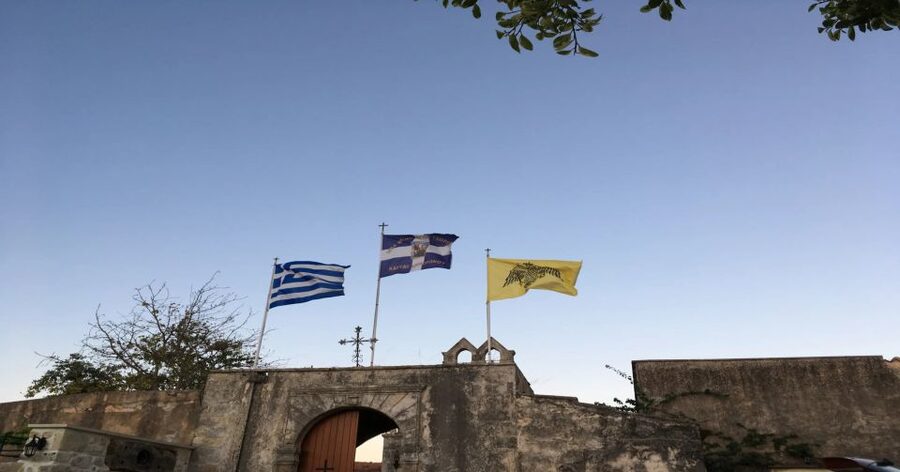
The tour continues toward Akrotiri, a mountainous area on the northeast of Chania known for monasteries and ascetic history. The setting matters here. You start to feel the distance from crowds, and it makes the monastic tradition feel more believable.
Two desolate, active monasteries are visited during this stretch. The route includes tiny mountain passages, and you also see enormous cultivated lands associated with the monasteries. When you see monks in active duty, the tour stops feeling like sightseeing and starts feeling like witnessing a daily rhythm.
One of the most praised parts from the guide experience is how he adapts. If your interests lean toward monasteries by the water, he will often structure the day around that. Even without specific claims about water every time, you can expect an emphasis on scenic approach routes and good sightlines.
The Underground Church of St. Spyridon, plus a final Virgin Mary chapel
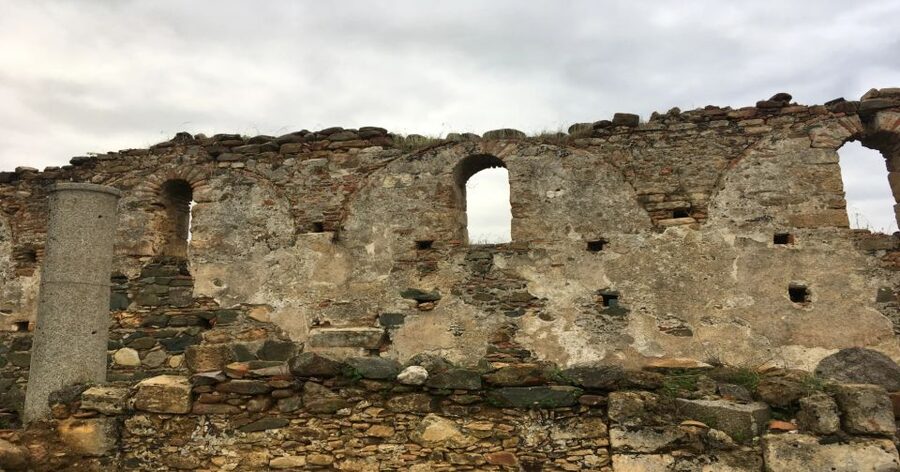
A rare highlight included on the tour is an old underground church devoted to St. Spyridon. Underground spaces change the mood fast. The lighting, the acoustics, and the sense of age make this one of the stops that people remember most, because it does not feel like a normal church visit.
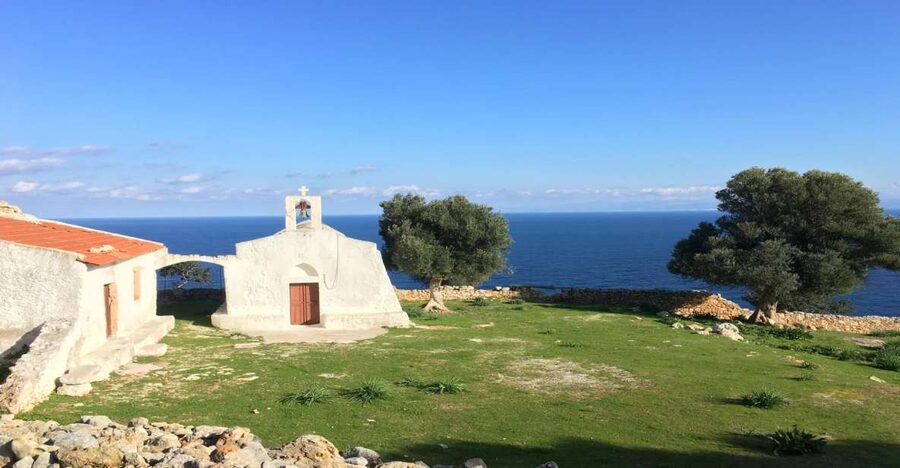
Later, the tour ends with a visit to an abandoned monastery complex in an undisclosed location, with impeccable views over the Aegean Sea. Finishing with a viewpoint is smart. By the time you reach that final stretch, you understand the day’s theme, so the scenery feels like part of the story, not just a photo stop.
You also visit a white-washed chapel devoted to the Virgin Mary. This is a strong closing moment, especially if the light is good. You can take photos, pay respects, and let the day’s sacred and historical themes settle.
Price and what $176 gets you for 7.5 hours
At $176 per person for a 7.5 hour private tour, the value depends on what you want from your day. If you only want quick photo stops, this may feel like a lot. But if you care about guided interpretation, transport, and a route built around monasteries, it starts to make sense quickly.
Here is what you get that adds real cost value:
- A professional historian guide certified by the Greek Ministry of Tourism
- Private transport in a modern air-conditioned vehicle
- Free hotel pickup and drop-off from all central Chania areas
- A box lunch with water, banana, apple, and chocolate
- Surprise gifts at the end of the tour
- Flexible stops and possible diversions based on your interests
- Skip the ticket line
Because it is private, you also avoid the friction of squeezing into a larger schedule when monasteries require patience and proper clothing. That alone often makes the day easier and less stressful.
Entrance fees are not included, so budget a bit extra depending on which sites require tickets. The tour is also offered as a shore excursion for Chania and Souda cruise port, which can be a plus if you prefer a planned day on land.
Getting ready: clothing rules and how to avoid day-of problems
Monasteries have straightforward clothing requirements, and you should take them seriously. You will need proper clothes for entering monasteries, so plan ahead to avoid feeling stressed at the gate.
Athletic clothing and comfortable shoes are advised. That is because this is a day with multiple stops, some in remote areas, and time spent walking around chapels, ruins, and monastery grounds.
If you have mobility needs, you will be glad to know the tour is listed as wheelchair accessible. Still, with older church sites and uneven paths, it helps to think practically and bring your most stable footwear and pacing strategy.
Who should book this tour, and who might feel the mismatch
I think this is a great fit if you enjoy:
- Orthodox Christianity sites and the culture around them
- Byzantine archaeology and learning what parts of a church mean
- Private, flexible days where you do not feel rushed
- Quiet, remote places with serious atmosphere
It may be less ideal if you mainly want beach time or you prefer a tour with minimal walking and very few rules about clothing. Also, if you need everything explained in a strictly modern way, the historical context can include older belief systems, like the Mount Olympus 12 Gods theme. For many people, that cross topic angle is exactly what makes the day memorable.
Should you book the Chania Monasteries private tour?
Book it if you want a day that feels like a guided pilgrimage through time, not a checklist. The biggest strength is the combination of rare sites, like the Underground Church of St. Spyridon, and a guide who ties each stop to how Orthodox life worked, including liturgy, rituals, and even olive oil and community survival.
Skip it only if you do not want religious sites or if you are uncomfortable with the clothing expectations and slower pacing. If you are open to learning, looking closely, and enjoying private time with Apostolis or a similar historian guide, this tour is a strong choice for a meaningful Crete day.
FAQ
How long is the Chania monasteries private tour?
The tour lasts 7.5 hours.
Where does pickup and drop-off happen?
Pickup and drop-off are included from all central areas in Chania.
Is this tour private?
Yes, it is a private group.
What churches or special sites are included?
The tour includes the Underground Church devoted to St. Spyridon, a visit to a Byzantine era church complex ruin, multiple monasteries, and a white-washed chapel devoted to the Virgin Mary.
What is included in the price?
The price includes a professional tour guide, private transport in a modern air-conditioned vehicle, a box lunch with water, banana, apple, and chocolate, skip the ticket line, surprise gifts, and flexible stops.
Are entrance fees included?
No, entrance fees are not included.
What language is the guide?
The guide is specialized and listed as trilingual (English, German, Greek), and the live tour guide is offered in English and Greek.
Is the tour wheelchair accessible?
Yes, the tour is listed as wheelchair accessible.
What should I wear to monastery stops?
Bring weather-appropriate clothing, and plan on wearing proper clothes for entering monasteries. Comfortable shoes are recommended.
Recently Published: Chania Tours
- Elafonisi Pink Sand Beach | Private Day Trip from Heraklion★ 5.0 · 1 review
- Samaria Long Way from Rethymno★ 5.0 · 1 review
- Kayaking or River trekking or Rafting- kiliaris activities chania★ 5.0 · 1 review
- Chania Old Town, Ancient Olive Tree&Theriso Village Private Tour★ 5.0 · 1 review
- Private Tour From Chania Area to Rethymno and Arkadi Monastery★ 4.0 · 1 review
- Private Driver & Chauffeur Service in Crete from Chania★ 5.0 · 1 review
- From Chania: Imbros Gorge Hike&Authentic Culinary Experience★ 5.0 · 1 review
- Minoan Luxuries: Ancient Palaces, Messara Wine Routes & Matala★ 5.0 · 1 review
Cretan Monastery Tours, compared.
Lassithi Plateau & Kera Monastery Tour with Ceramics
Read our review →
Melidoni Cave and Arkadi Monastery Half-Day Trip
Read our review →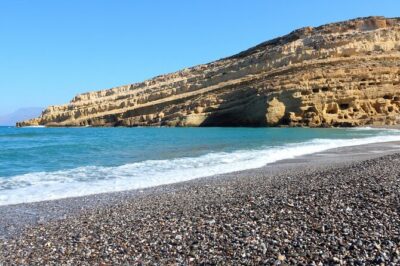
Matala Beach, Hippie Caves & Odigitria Monastery
Read our review →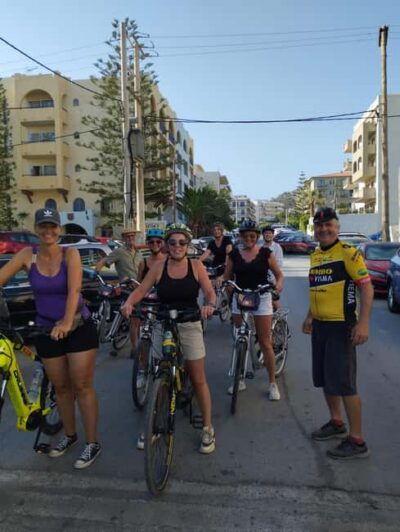
e-Bike Cycling Tour to Arkadi Monastery Full Lunch included
Read our review →
Hiking through History and Hidden Gems at Katholiko Bay
Read our review →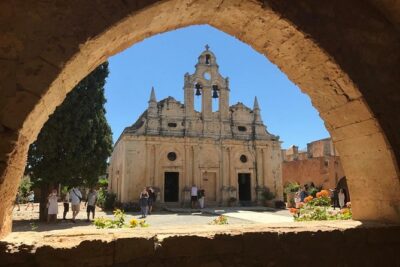
Pottery Village of Margarites – The monastery of Arkadi & The Gorge of Patsos
Read our review →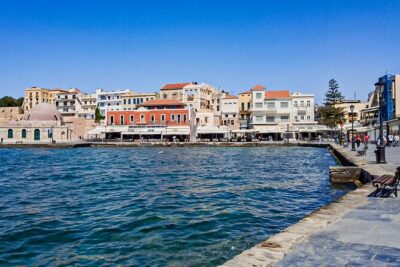
Shore Explore Chania: City Charm, Beach, Monastery & Winetasting
Read our review →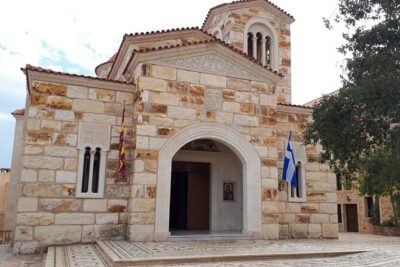
Chania Private Tour: Monastery, Scenic Gorge & Mountain Views
Read our review →Browse the lists this tour appears in