
Reviewed · OLIVE OIL TASTINGS
Chania Private Olive Oil Tour: Oil Tasting & Villages Tour
One of Crete’s most delicious lessons is olive oil. This private Chania olive oil tour pairs factory walkthroughs with grove time, so you understand what you taste. I like that it mixes big village views with hands-on farming and extraction details.
I also love the two-tasting approach, because you compare how olives were handled in the past with how they’re handled now. And you get a real souvenir, free organic extra virgin olive oil to take home, not just samples. One thing to consider: it is a full, moving day (about 7.5 hours), so plan for a steady pace and some driving through the Chania countryside.
In This Review
- Key highlights you should care about
- Setting Off From Chania: Private Transport and a Real Local Pace
- Why the Views and Valleys Matter in an Olive Oil Tour
- The Grove Visit: Varieties, Farming Choices, and the Stuff Behind the Flavor
- The Old Mill and Medieval Extraction: See How Time Changes Oil
- Lunch Break Near Rivers and Village Life in Apokoronas
- The 3,000-Year Olive Tree Stop: Awe With a View (and Time to Photograph)
- Modern Factory Walkthrough and Extra Virgin Olive Oil Tasting
- Price and Value: Is $176 Per Person Worth It?
- Who This Tour Fits Best (and Who Might Prefer Something Else)
- Should You Book the Chania Private Olive Oil Tour?
- FAQ
- How long is the Chania Private Olive Oil Tour?
- What is included in the price?
- Is lunch fully included?
- What languages is the tour offered in?
- Do I need to pay entrance fees?
- Will there be olive oil tasting?
Key highlights you should care about
- Private olive grove time to learn varieties, planting choices, and why irrigation and grafting matter
- Old olive mill walkthrough so you can picture extraction through the ages, not just memorize steps
- Medieval-to-modern production comparison, including a modern factory tasting by the equipment
- Possibly the oldest fruit-bearing olive tree on the island, with clear time to admire and photograph it
- Free take-home bottle from the grove you visit, plus extra samples at the modern factory
Mountain villages where the pace drops
- Elafonissi Beach Day Trip from Chania -Stop in Elos Village
★ 4.5 · 744 reviews - The 7 Villages of Apokoronas Tour – Explore East Chania Mainland
★ 5.0 · 178 reviews - Elafonissi Beach Tour from Chania with stop in Elos Village
★ 4.5 · 168 reviews - From Chania: Imbros Gorge Guided Hike and Village Visit
★ 4.5 · 133 reviews - All Inclusive Full-day Private Tour of Crete Villages from Chania
★ 5.0 · 78 reviews
Setting Off From Chania: Private Transport and a Real Local Pace
This is not a bus tour. It’s a private group with pickup from central Chania, and you ride in a dedicated vehicle with a licensed guide-driver. That matters, because you’re going up to elevated viewpoints and out into the olive valleys where schedules get tight.
The tour is designed to stay flexible. You can expect stops to adjust to what you want to see, and the guide can reorder things when it makes sense. That flexibility is a quiet value, especially on a day when weather, light, or road conditions can change how good a photo stop looks.
You’ll want to start with comfortable shoes. Between walking portions of grove paths and moving through production spaces, you’re not stuck in a chair the whole time. It’s active, but it’s not hard-core hiking.
Why the Views and Valleys Matter in an Olive Oil Tour
The day doesn’t start in a showroom. It starts out in the olive farming valleys around Chania, where you get your bearings fast on the scale of production. A guide brings you to an elevated spot specifically so you can understand how the vegetation, cultivation, and farming pattern work across the area.
Then comes a photo stop at a place with big, open views over Chania’s mainland villages. This is more than scenery. When you look out over orchards and hillsides, olive oil learning clicks into place, because you can connect what you’re doing in a grove to what you’re producing in the real world.
If you’re the type who usually ignores “scenic stops,” don’t do that here. The tour uses the views to teach context, especially how groves relate to slope, sun exposure, and practical farming decisions.
The Grove Visit: Varieties, Farming Choices, and the Stuff Behind the Flavor
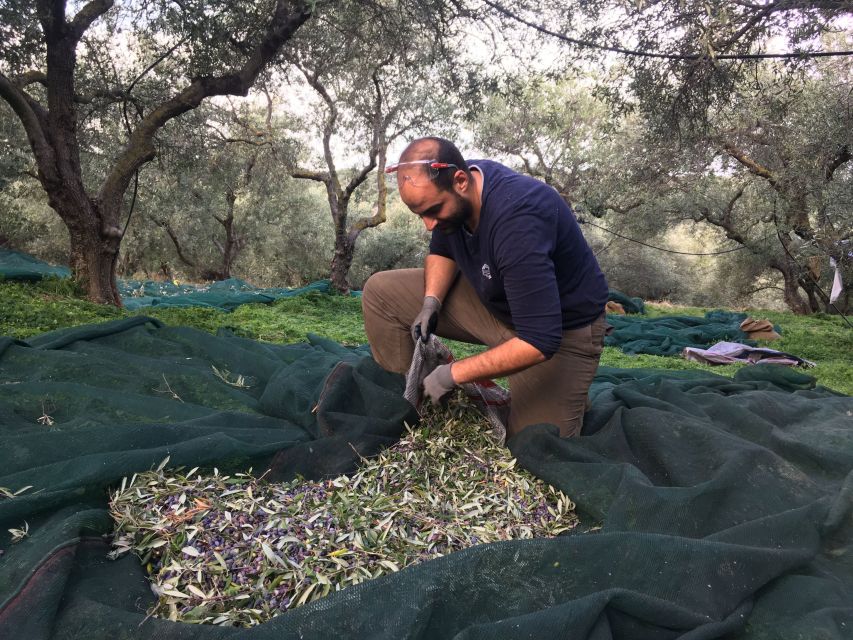
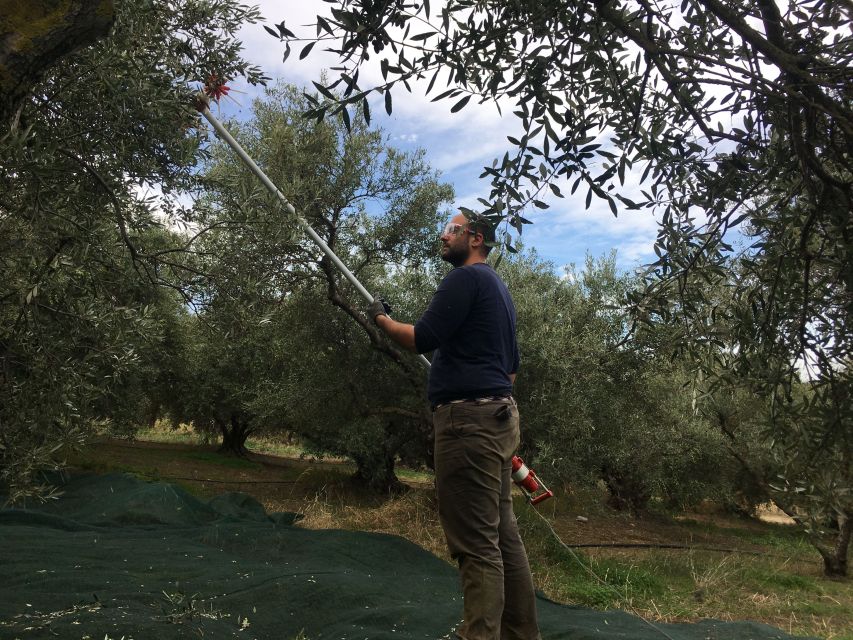
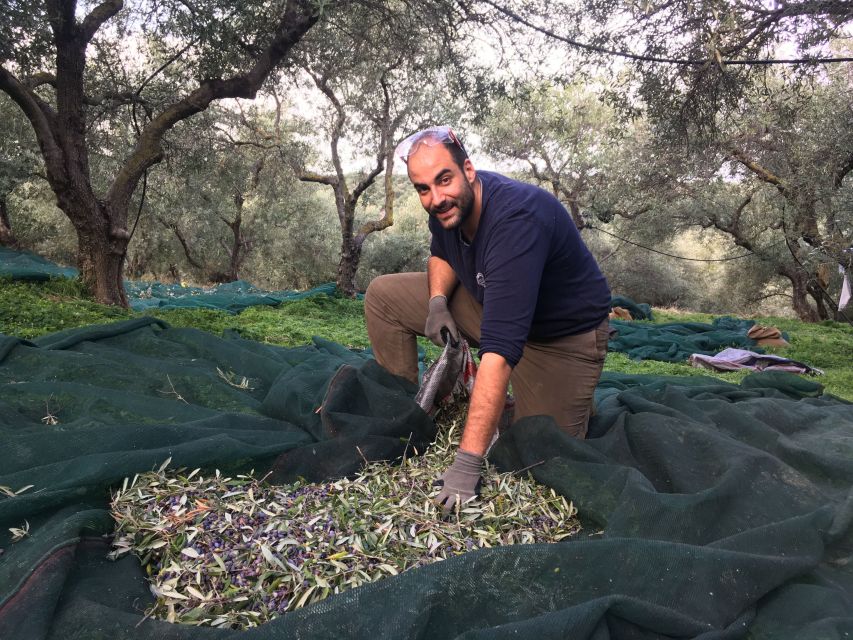
Your grove time is the centerpiece if you want to go past tasting and understand what causes differences in flavor. You’ll spend time walking in a private olive grove with a local professional farmer, and that is where the tour turns practical.
You can expect the guide to explain olive varieties in Crete and how olives are collected. That includes the idea of quality grades, since those aren’t just marketing terms. They’re tied to when fruit is picked, how it’s handled, and what happens between harvest and pressing.
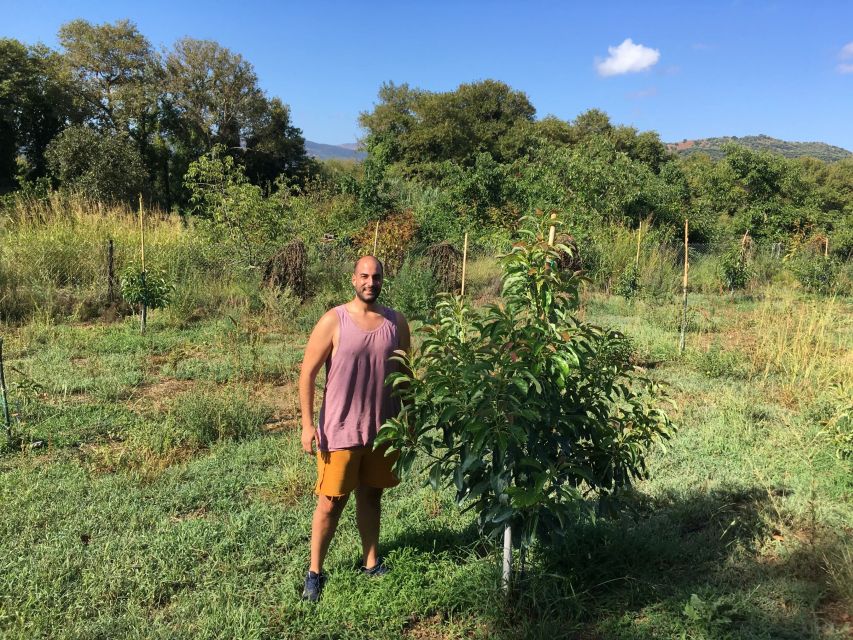
The farmer also covers farming methods that affect the final oil. You’ll hear about irrigation choices, grafting, and how modern horticulture supports better crops. Even if you know the basics, it’s useful to hear it explained in the local way, where decisions are about land, water, and long-term yields.
And yes, you get olive oil connected to the grove you’re in. The tour includes fresh organic olive oil given to you at the end from the specific olive grove you visited, so your “tasting” is also a take-home comparison.
The Old Mill and Medieval Extraction: See How Time Changes Oil
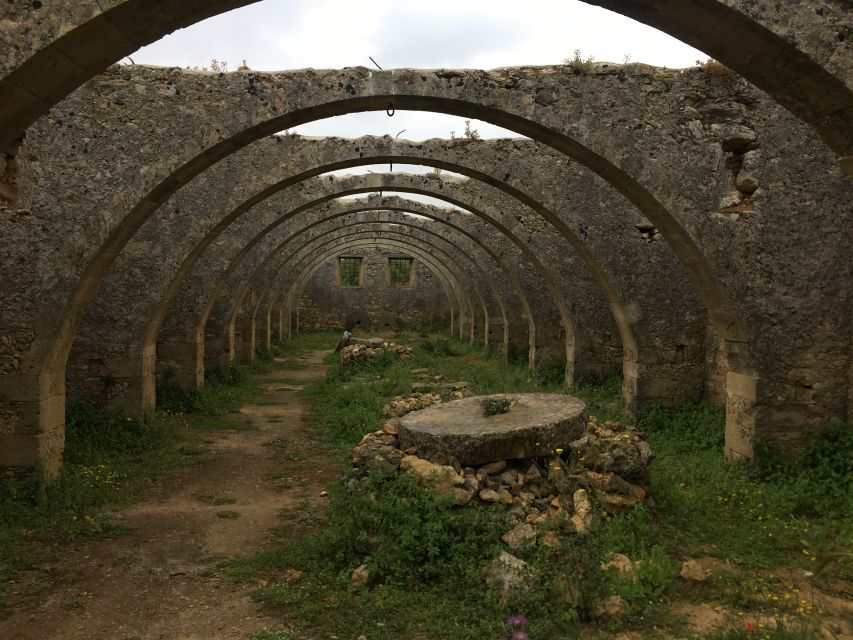
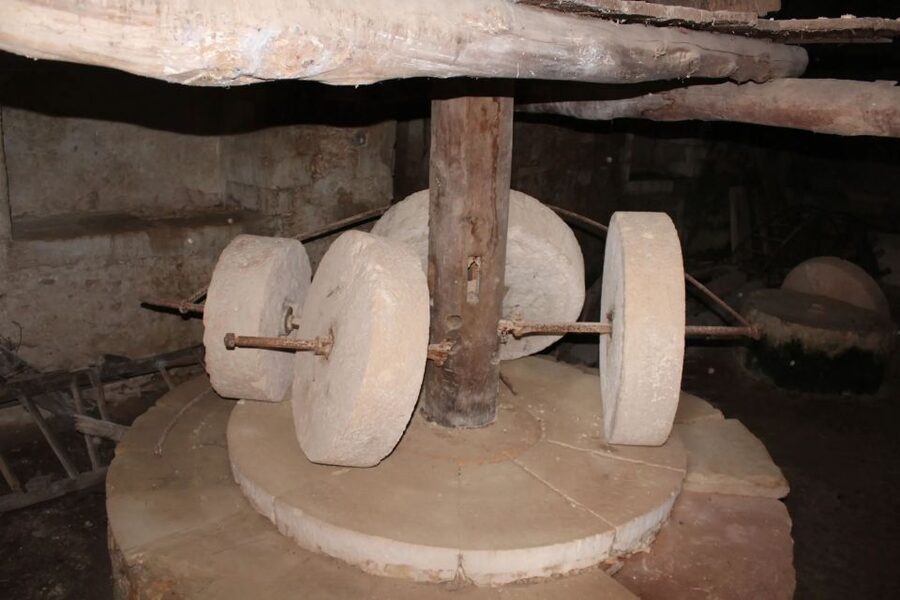
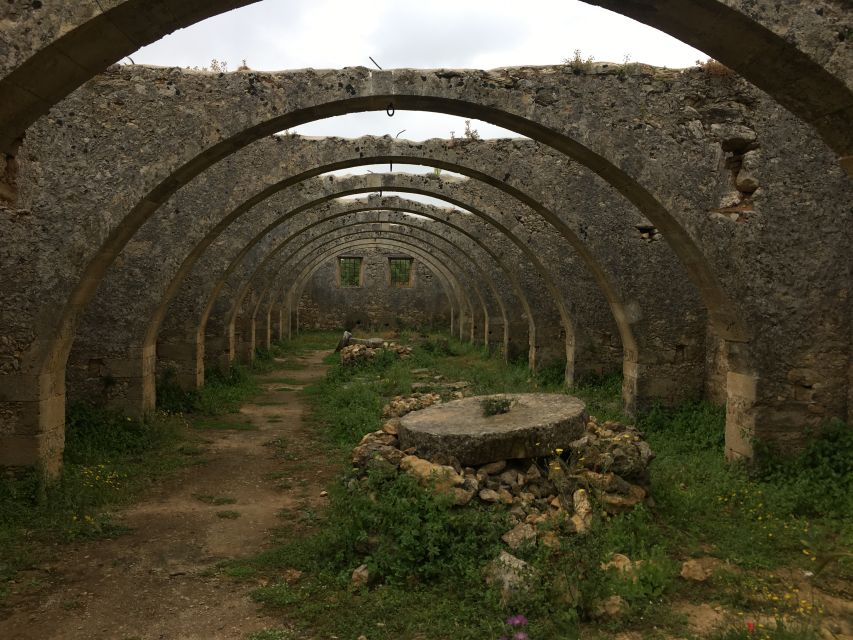
Next you’ll go to an older olive oil mill, where the point is to experience extraction methods closer to how your Cretan ancestors would have processed olives. This is one of the best parts if you like cause-and-effect. The guide walks you through the process steps and how olives were handled “some centuries ago,” using the tools and limitations of that era.
Why it’s worth your time: pressing and processing aren’t one-size-fits-all. Changes in equipment, timing, and techniques can shift the oil’s character. Watching production machinery from different eras helps you understand why the tour keeps switching from history to taste.
You’ll also have a lunch or coffee stop along the way. The tour aims to place that break in a calm setting with lush vegetation and rivers nearby, so you’re not just rushing from one “thing” to the next. This is a nice moment to slow down and talk about Crete more broadly.
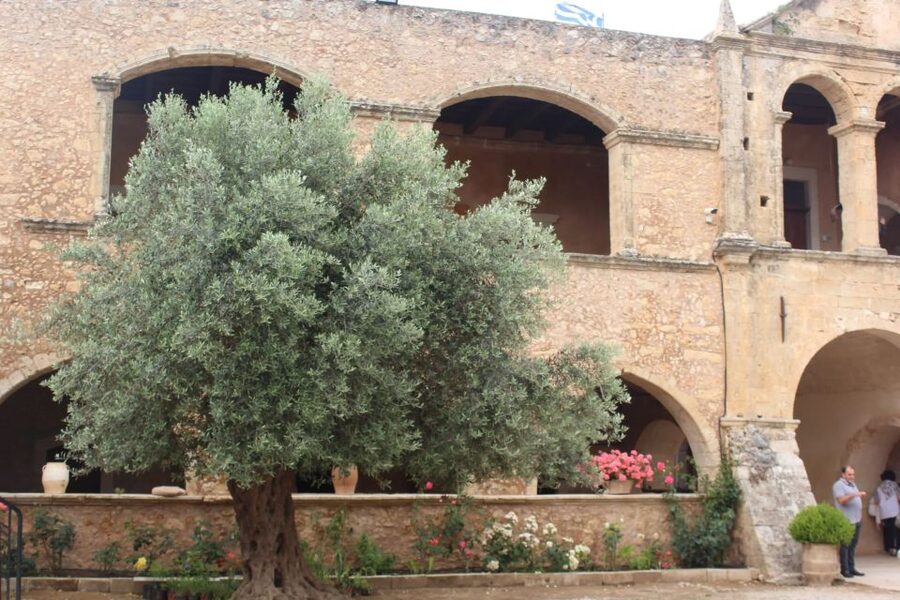
In one memorable route, the day included a small monastery stop with centuries of atmosphere, plus a sampling of raki. That kind of detour fits the tour’s flexible style, and it can add real texture to your day beyond the oil itself.
Lunch Break Near Rivers and Village Life in Apokoronas
The tour weaves in Apokoronas region context, including time to talk about life in the villages where the route operates. You’ll likely get brief sightseeing while you wait for lunch or settle in for coffee.
In at least one route, lunch was in the village of Vryses, described as a small valley filled with trees, a river, and even local geese. If that’s included in your schedule, it’s the kind of stop that feels genuinely Crete, not just a prepackaged meal.
Practical note: lunch itself at private stops may not be included. What is included is a box lunch with water, banana, apple, and chocolate, which helps you stay fueled without relying on café timing. Still, if you want drinks beyond what’s in the box, you’ll need to budget for that.
This is also where the guide’s storytelling shines. The tour doesn’t treat olive oil as a science-only topic. It treats it as part of how people live, work, and keep land productive over generations.
Groves that have produced oil for generations

The 3,000-Year Olive Tree Stop: Awe With a View (and Time to Photograph)
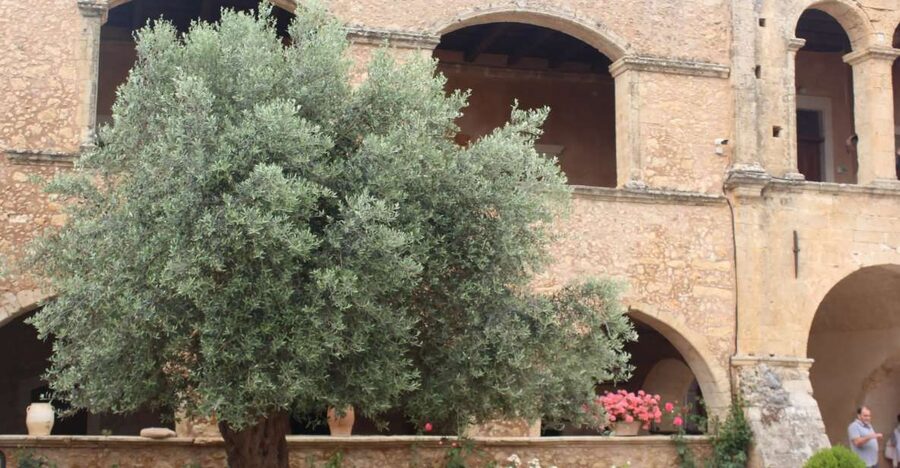
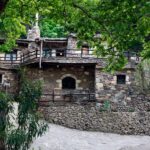
Then comes the moment most people remember long after they forget the exact steps of pressing. You visit an ancient olive tree, described as more than 3000 years old and set at a distance so you can admire it properly.
The stop is built for observation. You stand back and take in the tree’s scale, including its circumference, then take photos. It’s easy to think “okay, it’s old,” but seeing a living tree that long changes your perspective on why olive oil still matters.
Also, because the tree is far from the visitor’s eyes, it helps you avoid the usual crush feeling that can happen at popular landmarks. You get time to look without turning it into a quick check-the-box moment.
If you care about photos, this is your cue to pause and shoot thoughtfully. Light can be strong in Crete, so take a few frames, then take one or two for composition, not just documentation.
Modern Factory Walkthrough and Extra Virgin Olive Oil Tasting
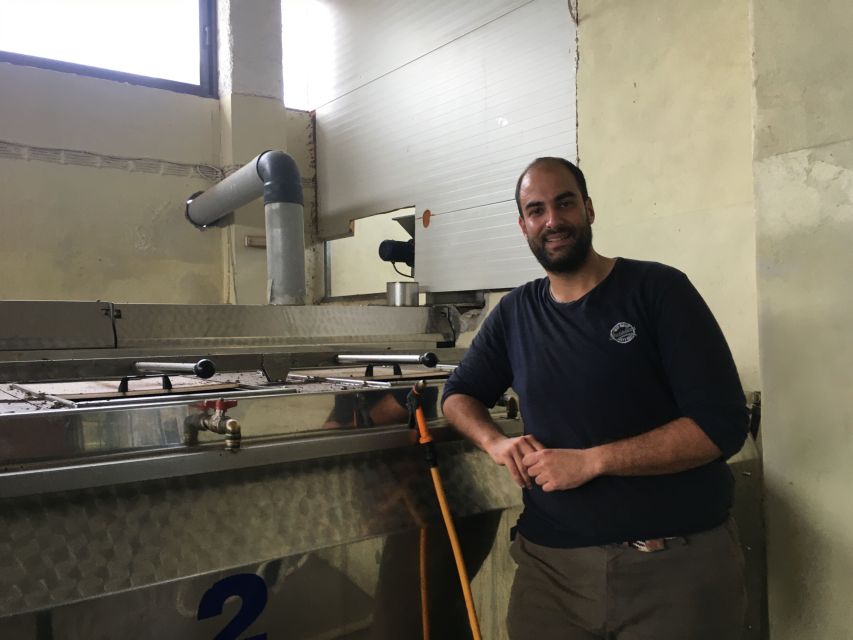
After the ancient stop, you switch back to the here and now. The tour ends with a visit to a modern olive oil factory in the Chania region. The guide explains modern methods of production, refinement, and processing, and you’ll see the equipment and machinery up close.
The tasting happens inside the factory area next to the processing setup. That timing is smart, because it helps you connect the sensory part of the day to what you just saw. Instead of tasting like a chore, you taste like you’re testing the day’s lessons.
You’ll also get a structured experience around tasting. The exact tasting notes are not detailed in the provided info, but the setting makes it clear what to pay attention to: the differences between oils you’ve heard about and the practical reality of pressing and refining.
If you’re buying olive oil in Crete, this is the part that makes your purchases smarter. You start recognizing what questions to ask. When oil is from a grove you visited, you also have a concrete story tied to flavor.
Price and Value: Is $176 Per Person Worth It?
At $176 per person for a 7.5-hour private tour, the value depends on what you want out of the day.
Here’s what you’re paying for that often justifies the price:
- A private experience with dedicated transport and time for flexible stops
- A licensed guide-driver (Ministry of Tourism certified) plus a professional farmer
- A full mix of old mill, modern factory, and grove time, not only one kind of stop
- Free take-home organic extra virgin olive oil from the grove
- Included box lunch basics (water, banana, apple, chocolate)
If you’re comparing to a cheaper group tour, the difference is personal pacing. You’re not squeezed into someone else’s route, and the guide can focus on what interests you, like varieties, harvesting, or processing details.
One caution: entrance fees are not listed as included. If a stop charges admission, you’ll pay that on top. The tour does mention skip-the-line access through a separate entrance, which can save time, but you should still plan a little extra if a site requires a fee.
Who This Tour Fits Best (and Who Might Prefer Something Else)
This is a great match if you:
- Love food learning that’s hands-on, not just tasting cups
- Want a private format with time to ask questions
- Care about the “why” behind extra virgin olive oil, from harvest to pressing
It may feel like a lot if you prefer a slower day with minimal driving. The tour is built as a moving sequence of production and village stops, so you’ll be on the go for about 7.5 hours.
If you’re a casual sightseer who wants only “pretty views,” you might find some parts technical. But even then, the grove, old mill, and ancient olive tree breaks keep it from turning into a lecture day.
Should You Book the Chania Private Olive Oil Tour?
Book it if you want one of the most memorable ways to learn Crete through its most famous product. The mix of grove visit plus old and modern production is the big reason. You taste at the end, but you’re also building a mental model of how olives become oil.
Skip it only if you know you won’t enjoy the production side. If you want purely scenic time with minimal education, you might pick a different kind of tour. But if you’re even a little curious about olives, this day gives you both the story and the bottle to take home.
One final tip: when you taste at the modern factory, pay attention to what you learned earlier in the day. The goal is not to get every detail right. It’s to connect what you see in the mill with what you notice in the glass.
FAQ
How long is the Chania Private Olive Oil Tour?
The tour duration is 7.5 hours.
What is included in the price?
Included are a licensed historian tour guide-driver, a professional farmer/olive oil producer, private transport, box lunch items (water, banana, apple, and chocolate), free organic extra virgin olive oil at the end of the tour, and free hotel pickup and drop-off from Chania central areas.
Is lunch fully included?
You get a box lunch with water, banana, apple, and chocolate. Lunch or drinks at private tour stops are not listed as included.
What languages is the tour offered in?
The live tour guide is available in English and Greek.
Do I need to pay entrance fees?
Entrance fees are not listed as included, in case any sites require them. The tour does mention skip the line through a separate entrance.
Will there be olive oil tasting?
Yes. There is free extra virgin olive oil tasting included at the modern olive oil factory near the end of the tour, and you also receive organic extra virgin olive oil to take home.
More Food & Drink in Chania
Recently Published: Chania Tours
- Elafonisi Pink Sand Beach | Private Day Trip from Heraklion★ 5.0 · 1 review
- Samaria Long Way from Rethymno★ 5.0 · 1 review
- Kayaking or River trekking or Rafting- kiliaris activities chania★ 5.0 · 1 review
- Chania Old Town, Ancient Olive Tree&Theriso Village Private Tour★ 5.0 · 1 review
- Private Tour From Chania Area to Rethymno and Arkadi Monastery★ 4.0 · 1 review
- Private Driver & Chauffeur Service in Crete from Chania★ 5.0 · 1 review
- From Chania: Imbros Gorge Hike&Authentic Culinary Experience★ 5.0 · 1 review
- Minoan Luxuries: Ancient Palaces, Messara Wine Routes & Matala★ 5.0 · 1 review
Olive Oil Tastings, compared.
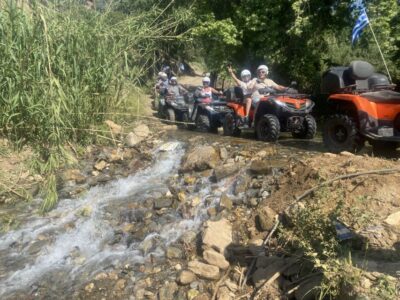
Quad Safari, Olive Mill with Tasting & Ghost Village
Read our review →
Knossos-Zeus Cave -Old Traditional Villages-Olive Oil Factory
Read our review →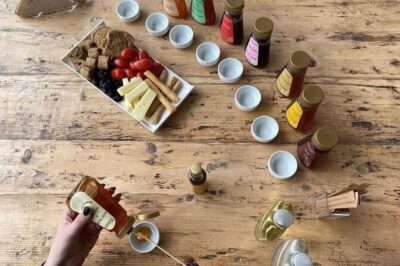
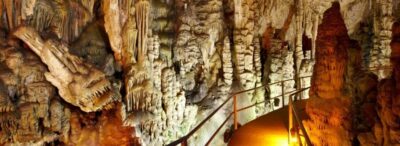
Road-trip to Lasithi, Zeus Cave & Olive Mill Farm
Read our review →
Lassithi, Zeus Cave, Olive Mill Farm & Knossos Combo Tour
Read our review →
Zeus Cave, Lassithi Plateau, Olive Oil Factory, Kritza, Pottery
Read our review →
Browse the lists this tour appears in