
Reviewed · MUSEUMS
Lychnostatis Open Air Museum: Entry Ticket with Add-Ons
Cretan life gets made visible in one place. Lychnostatis is an open-air museum built for people who want to understand everyday Cretan culture through real buildings, tools, and workshops. I especially like how the site turns history into something you can walk through at your own pace, with add-ons if you want extra context.
Two things I really like: first, the traditional village houses and working spaces (oil press, threshing floor, distillery, and more) help you picture how families lived. Second, you can end with a stop at the museum café for a typical Cretan beverage or sweet, which makes the day feel complete. One drawback to plan for: the live guide is Greek, so if you do not speak the language, you will rely more on the exhibits, short explanations, and the audiovisual film (if you choose it).
In This Review
- Key Highlights Worth Your Time
- Why Lychnostatis Feels Like a Cretan Village (Not a Museum Lecture)
- Traditional Houses, Chapel, Windmills, and the Life You Can Picture
- Tsikoudia Distillery, Olive Oil Press, and Food-Making Rooms
- Craft Workshops That Explain How Communities Made Everything
- Gardens, Library, and Exhibits for the Slow Walk
- Film and Theater Spaces When You Want a Change of Pace
- Café Stops and the Souvenir Layer You Can Enjoy Without Stress
- Price and Value: What $10 Buys You in a One-Day Museum
- What I’d Prioritize Based on Your Interests
- Practical Notes That Affect Comfort (More Than You Think)
- Should You Book Lychnostatis Open Air Museum?
- FAQ
- How long does the Lychnostatis Open Air Museum visit last?
- What is included with the entry ticket?
- Is transportation included?
- Is there a guide on the tour?
- What add-ons can I choose?
- Does the museum have wheelchair access?
- Can I cancel for a refund?
Key Highlights Worth Your Time
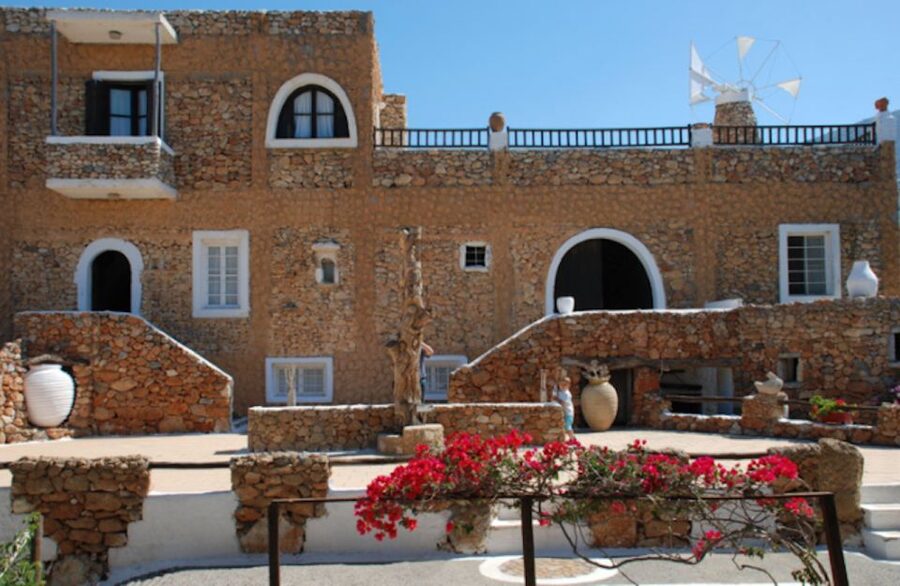
- Open-air museum layout designed for a slow walk through Cretan folk life
- Traditional dwellings and workshops covering daily work, crafts, and food production
- Tsikoudia (raki) distillery inside the museum village for a strong food and drink story
- Library, café, and souvenir shop for a full day beyond just photo stops
- Audiovisual film auditorium (100 seats) plus an open-air theater (250 seats) for events
Artifacts that outdate most of Europe
- Crete: Knossos Palace and Museum E-Tickets with Audio Guides
★ 4.0 · 828 reviews - Heraklion Archaeological Museum Ticket & Audio Guide
★ 4.3 · 396 reviews - Heraklion Highlights: Knossos, Museum & Historic City Drive
★ 5.0 · 64 reviews - Knossos & Archaeological Museum Shared Guided Tour from Chania
★ 5.0 · 41 reviews - Knossos Palace & Archaeological Museum Private Tour
★ 4.8 · 23 reviews
Why Lychnostatis Feels Like a Cretan Village (Not a Museum Lecture)
Lychnostatis Open Air Museum is all about Cretan folk heritage and ethnology, meaning it focuses on how people lived, worked, and made things. Instead of big display cases only, you get multiple types of settings: traditional houses, production spaces, craft workshops, and outdoor gardens. That matters because Cretan identity is not just about famous sites, it is also about routines, materials, and know-how.
The museum is also structured so you can shape your day. Start with the included entry ticket and free time, then add an audiovisual film or a private guided group tour if you want more explanation. If you like museums where you can pause, look closer, and keep moving when the mood hits, this kind of open-air plan tends to work well.
You should also know the vibe: this is not a quick hit. With one day, you are meant to wander between many buildings and themed corners. For me, that is part of the value, because the ticket gets you a whole circuit of places rather than a single main attraction.
Traditional Houses, Chapel, Windmills, and the Life You Can Picture
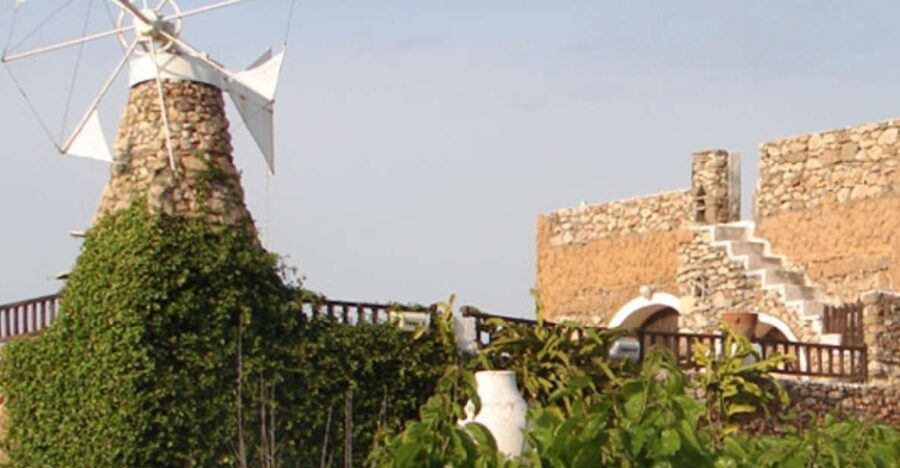
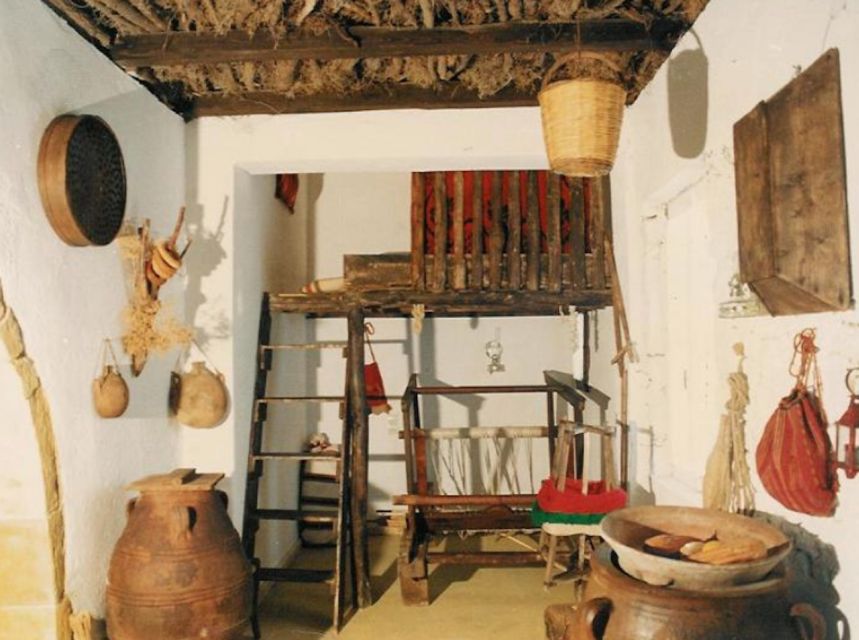
The core experience is the walk through the museum village, where you can step into a traditional village house and see how interiors were arranged. That kind of access is one of the best ways to make history feel real, because domestic spaces tell you more than tools alone. You notice the scale of rooms, the flow from one activity area to another, and the sense that everyday life was built around specific needs.
You will also see religious and agricultural touches that help connect the dots. The museum includes a chapel, and it covers practical production areas tied to the island’s landscape and cycles. There is a focus on items that were used in daily work, so you are not just reading about culture, you are seeing the physical world that shaped it.
If you are the kind of person who likes to look at craftsmanship rather than just “collectible objects,” the house and surrounding installations are where you get that satisfaction. It also helps that the museum is outdoors, so you get natural light and lots of opportunities to spot details on your own timing.
Tip for your visit: wear comfortable shoes and take your time around doorways and exhibit thresholds. Open-air museums can move you from shade to sun quickly, and the best way to enjoy it is to slow down, especially in the house interiors and smaller workshop buildings.
Tsikoudia Distillery, Olive Oil Press, and Food-Making Rooms
One of the strongest parts of Lychnostatis is how it connects Cretan identity to production. You can find a distillery for tsikoudia (raki), plus an olive oil press, threshing floor, and other everyday tools from the past. These stops are not just about romance and old stones. They show the island’s food system: pressing, processing, storing, and turning raw products into what a community needs to live.
The distillery is a great anchor point because tsikoudia is tied to social life as much as it is to production. Even if you do not have deep background knowledge, the building and its role in the museum make it easy to understand why drink and hospitality matter in Crete.
The olive oil press and threshing floor connect directly to agriculture. You start seeing the logic of seasonal work. Threshing floors, pressing setups, and processing tools are the kind of details that make an ethnology-focused museum click. Instead of reading abstract explanations about “traditional livelihoods,” you get the physical setup for how those livelihoods worked.
This is also a place where choosing an add-on can pay off. If you pick the private guided group tour, the guide can help connect these production areas into a story that is harder to fully grasp just by moving through buildings. If you skip the tour, the audiovisual film option can still help you build the big picture.
Craft Workshops That Explain How Communities Made Everything
After the production spaces, the museum shifts into crafts and specialized workshops. You can see a ceramic shop, weaving and plant-dying workshop, bees and wax workshop, shoe-making workshop, and carpentry. There is also a plant-related side with herbarium elements and garden spaces.
This craft cluster is one of the most practical reasons to visit. It is easy to think of culture as food, music, and festivals. Lychnostatis nudges you toward the quieter truth: culture is also what people make with their hands, what materials are available, and how skills get passed down.
Here is what makes these workshops useful for your day:
- You can compare different types of work in a small area, so you notice how a community needed many roles.
- You get a sense of local resources, like plants used for dye and the logic behind bees and wax.
- You see why tools and materials matter, because craft is about process, not just end products.
One small consideration: in a museum this hands-on, it is easy for paper info to take a beating in real weather. If you plan to use any leaflets as you go, keep them dry. It may not sound important, but if you prefer reading details up close, you will appreciate keeping your materials intact.
Gardens, Library, and Exhibits for the Slow Walk
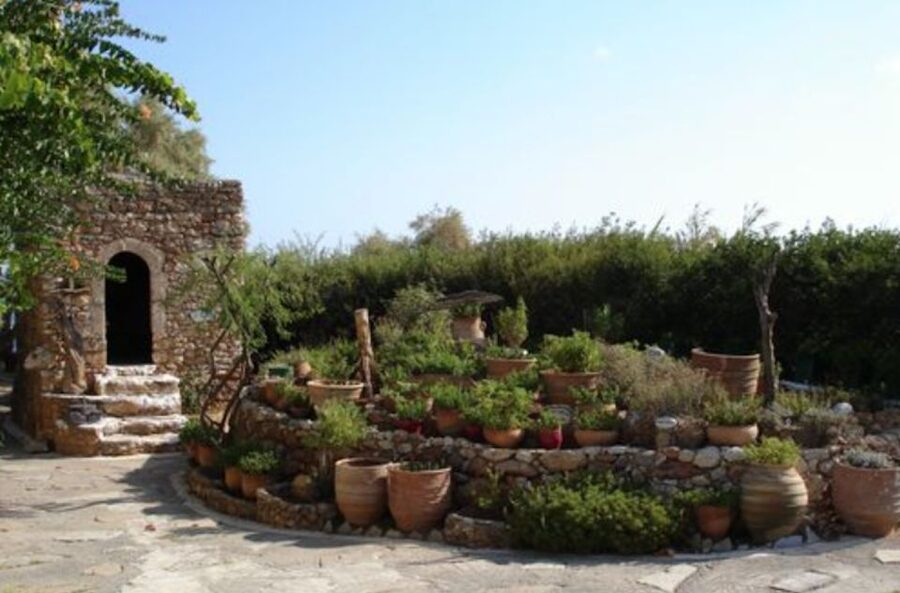
Lychnostatis is not only workshops and houses. You also get quiet corners that reward slower pace: a library stocked with Cretan books and periodicals, a Cretan fruit garden, herb garden, and a mineral and stone exhibition. There is also a Cretan folk artists’ gallery and a temporary exhibitions hall.
This part of the visit is great when you want a break from constant looking. The library in particular is meaningful because it frames the museum as more than scenery. It suggests a living conversation about Cretan identity, not a sealed-off past.
The gardens add a different kind of understanding. They connect ethnology to environment, showing that culture is shaped by growing conditions and local plant knowledge. If you are the type who likes to read labels and connect plants to the dye and herb-related work elsewhere, these stops will feel linked rather than random.
If you are short on energy, prioritize based on your style. If you love “hands and tools,” stay closer to workshops and production spaces. If you like “ideas and context,” spend more time with the library and exhibits.
Plenty else to see around Crete
Film and Theater Spaces When You Want a Change of Pace
The museum includes an auditorium with 100 seats for audiovisual shows and seminars, plus an open-air theater with 250 seats for cultural and artistic events. If you add the audiovisual film option, this is where it fits.
For me, these show spaces are a smart option on a hot or changeable day. Open-air museums are great, but they can be tiring. A short film can help you reset your mental map, then you can go back outside knowing what to look for.
If you are choosing between add-ons:
- Pick the audiovisual film if you want a simple, language-light way to understand the big themes.
- Pick the private guided group tour if you want the guide to connect the places into a clearer story. (The live guide is Greek, so keep your comfort level with that in mind.)
Also, because these spaces are designed for events and shows, you might find the schedule matters on the day you go. Even without specifics provided, it is worth checking what is running so you can time your day accordingly.
Café Stops and the Souvenir Layer You Can Enjoy Without Stress
A museum day can feel incomplete if you never stop for food. Lychnostatis takes care of that with a museum café, where you can grab a typical beverage or sweet. This is a nice touch because it gives you a “last chapter” that ties back to the cultural theme.
You also have a souvenir shop for small keepsakes. I like this approach because it lets you decide naturally if you want something at the end, instead of being pushed into shopping right at arrival.
If your goal is value, treat the café as part of the experience, not an afterthought. The best museum meals are the ones that let you rest, review what you saw, and then walk off any sugar in the next building.
Price and Value: What $10 Buys You in a One-Day Museum
The entry ticket is listed at $10 per person, and you get a full day of free time to explore. That base price makes sense if you actually spend time moving between buildings and themed stops. Open-air museums can feel like a gamble if you rush, because the value comes from coverage.
So how does this stack up?
- You get a lot of physical exhibits and multiple themed areas, including houses, craft workshops, gardens, and exhibits.
- You have optional add-ons for audiovisual or private guidance, so you can match your curiosity level and language needs.
- You can build your day with both outdoor viewing and indoor pauses via the film option.
If you are comparing with other museums on Crete, the main value angle here is “time well spent.” With one day, you can see enough to understand the island’s folk culture patterns rather than just sampling a few rooms.
What I’d Prioritize Based on Your Interests
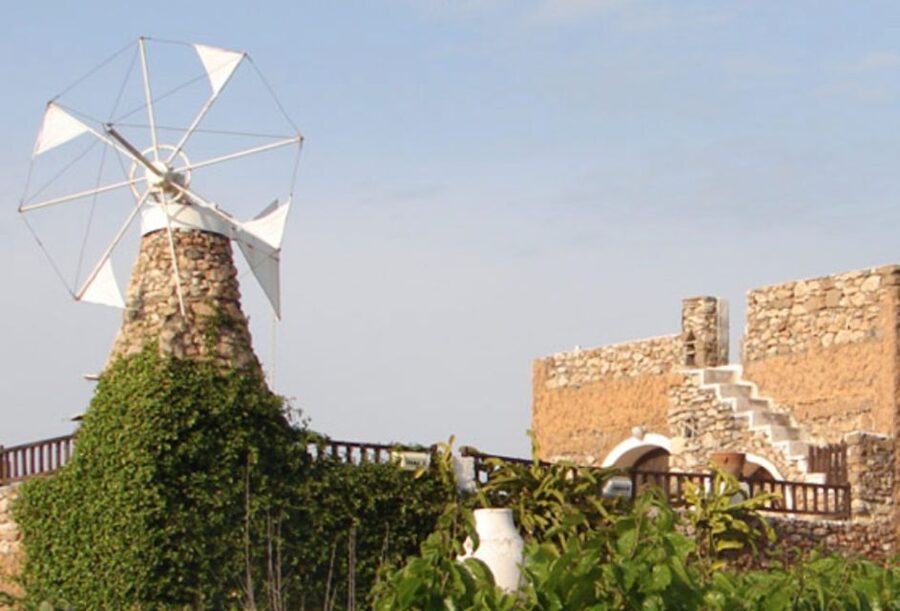
Lychnostatis works best when you pick a rhythm. Here is a simple way to choose what to emphasize:
If you love production and food culture:
Focus on the tsikoudia distillery, olive oil press, threshing floor, and the related practical tools.
If you care about crafts and “how things were made”:
Give extra time to weaving and plant-dying, bees and wax, ceramics, shoemaking, and carpentry.
If you want more context and reading time:
Spend time in the library, add a film if you can, and slow down at the mineral and stone exhibition plus the art gallery.
If you are traveling with mixed ages or energy levels:
Start with the highlights, then use the café as a reset point before you continue to gardens and indoor-style exhibits.
Practical Notes That Affect Comfort (More Than You Think)
Transportation is not included, but you can reach the museum by car or taxi. That matters because an open-air museum is easier when you do not waste time on complicated last-mile planning.
Also, the site is wheelchair accessible, which is good to know if you need a smoother route through the grounds. As always, open-air terrain can still feel uneven, so it helps to plan with your own mobility needs in mind.
Language is Greek for the live guide. If you are not comfortable with Greek, you can still enjoy the museum because the setting is visual and the audiovisual option exists. Still, if you expect deep spoken explanations, factor that in.
Should You Book Lychnostatis Open Air Museum?
Book it if you want a one-day Crete experience that explains culture through buildings, tools, and workshops. With a $10 ticket and the option to add film or a private guided group tour, it is a flexible value play. You are also likely to appreciate the full-circle feel of the museum café, especially if you like finishing your day with something local.
Skip or rethink it only if you want a highly modern, high-speed museum with minimal walking. Lychnostatis is about taking your time outdoors. If you can do that, you will walk away with a much clearer picture of how everyday Cretan life worked, not just how it is remembered.
FAQ
How long does the Lychnostatis Open Air Museum visit last?
This experience is valid for 1 day, so you can plan for a full-day visit length at your own pace.
What is included with the entry ticket?
Your entry ticket includes free time to explore the museum. Depending on which add-on you select, it can also include an audiovisual film or a private guided group tour.
Is transportation included?
No. Transportation is not included. You can reach the museum by car or taxi.
Is there a guide on the tour?
There is a live tour guide for the private guided group tour option, and the guide language is Greek.
What add-ons can I choose?
You can add an audiovisual film option or a private guided group tour option.
Does the museum have wheelchair access?
Yes. The experience is wheelchair accessible.
Can I cancel for a refund?
Yes. Free cancellation is available up to 24 hours in advance for a full refund.
Recently Published: Crete Tours
- Creta Private Transfer from Heraklion (HER) Airport to Agia Pelagia★ 5.0 · 1 review
- Creta Private Transfer from Heraklion (HER) Airport to Stalís★ 5.0 · 1 review
- VISIT THE MOST FAMOUS PAINTER “EL GRECO” TOUR★ 5.0 · 1 review
- Crete: Balos Beach Viewpoint and Falassrna Beach Day Trip★ 5.0 · 1 review
- Samaria Gorge from Chania with Professional Hiking Guide★ 5.0 · 1 review
- Rethymno Bali & Panormo : Quad Safari & visit Cave 57km 4hours★ 5.0 · 1 review
- Unique wine tasting of organic Cretan wines★ 5.0 · 1 review
- Hersonissos: Private Sunset Catamaran Cruise, Snack & Drinks★ 5.0 · 1 review
Museums, compared.
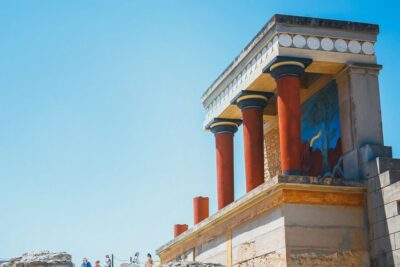
Knossos Palace and Museum E-Tickets with Audio Guides
Read our review →
Heraklion Archaeological Museum Ticket & Audio Guide
Read our review →
Knossos Palace and Museum E-Tickets with Audio Guides
Read our review →
Knossos Palace, Museum & Rethymno city Private Tour from Chania
Read our review →
Heraklion Highlights: Knossos, Museum & Historic City Drive
Read our review →
Knossos Palace, Museum & Heraklion City Tour From Chania
Read our review →
Knossos E-Ticket with Audio Guide & Optional Museum
Read our review →Browse the lists this tour appears in