
Reviewed · OLIVE OIL TASTINGS
Pottery – Honey & Olive Oil experience
A Cretan food-and-crafts day with real hands-on time. It strings together olive oil, honey, and ceramics, then tops it off at Arkadi Monastery with a dose of Greek history. The private setup also means the day feels less like a factory conveyor belt and more like a custom route that still hits the big stops.
What I like most is how the schedule includes three different producer experiences, not just photo stops. You also get a comfortable car with bottled water, and the honey and ceramics parts are built around seeing how products are made and using what you learn. The other plus is the group size, up to 7, which usually makes it easier to ask questions and move at a human pace.
The one thing to watch is that the olive oil and honey portions can feel more like short introductions than deep guided lectures, especially if you expect a talkative guide for every step. If you want a lot of storytelling, come ready with questions, and keep the ceramics as your main priority.
In This Review
- Key things to know before you go
- The route makes sense: olive oil, honey, ceramics, then Arkadi
- Stop 1: Paraschakis Olive Oil in Melidoni
- Stop 2: Apithano Honey Museum, tasting, and a lab visit
- Stop 3: Tsikalario cretan ceramics in Margarites pottery village
- Stop 4: Arkadi Monastery and the Venetian church
- What the private transportation actually changes for your day
- Timing, duration, and how to plan your day around 5 to 7 hours
- Price and value: what $722.47 per group really means
- What to expect at each stop, in plain terms
- Best fit: who this tour suits
- What to bring (and what to skip)
- Should you book the Pottery, Honey, and Olive Oil experience?
- FAQ
- What is the price for the Pottery, Honey & Olive Oil experience?
- How long is the tour, roughly?
- Where does pickup happen?
- What’s included in the price?
- What is not included?
- Is this tour private?
- What languages is the experience offered in?
- Do I need good weather?
- Are service animals allowed?
Key things to know before you go
- Hands-on ceramics in Margarites, with a free workshop feel in a major pottery village
- Paraschakis Olive Oil in Melidoni, where you tour mills with state-of-the-art facilities
- Apithano Honey Museum, including a visit to a lab plus tasting afterward
- Arkadi Monastery, famous for its Venetian church and 1866 independence tragedy
- Private transportation with bottled water, and an English speaking driver in an air-conditioned vehicle
Shape clay the way Cretan potters have for centuries
- Full day tour to Arkadi-Margarites-Melidoni Cave-Axos
★ 3.5 · 3 reviews - Zeus Cave, Lassithi Plateau, Olive Oil Factory, Kritza, Pottery
★ 5.0 · 362 reviews - From Rethymno: Arkadi, Melidoni, and Margarites Tour
★ 4.9 · 211 reviews - Crete: Lassithi Plateau & Kera Monastery Tour with Ceramics
★ 4.1 · 169 reviews - From Rethymno: Arkadi, Margarites, Sfendoni Cave & Axos Tour
★ 4.2 · 59 reviews
The route makes sense: olive oil, honey, ceramics, then Arkadi
This is a classic Crete “flavors plus culture” day. Instead of only driving past sights, you pause at working places where the products come from and where local craftspeople still do the labor with their hands.
The day runs about 5 to 7 hours. Each main stop is roughly an hour, which is enough time to see how things work and not so long that you feel trapped in one location. With a private group (up to 7), you are not competing for attention or fighting for space.
One practical note that matters: the pickup option is offered only from Heraklion city and Rethymno city. Even if you are staying around Chania, you’ll want to check your exact pickup point carefully, since the service area is limited.
Stop 1: Paraschakis Olive Oil in Melidoni
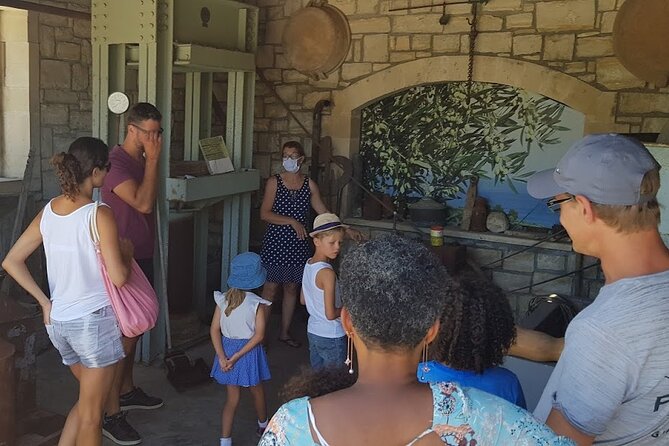
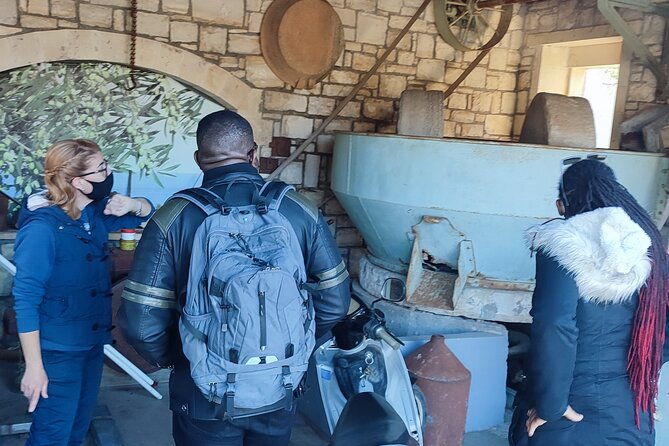
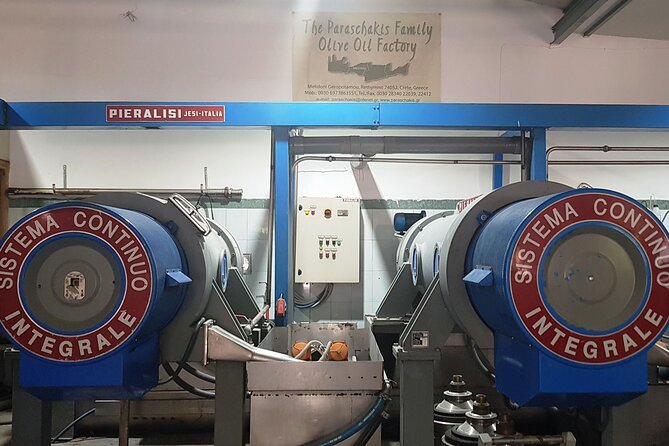
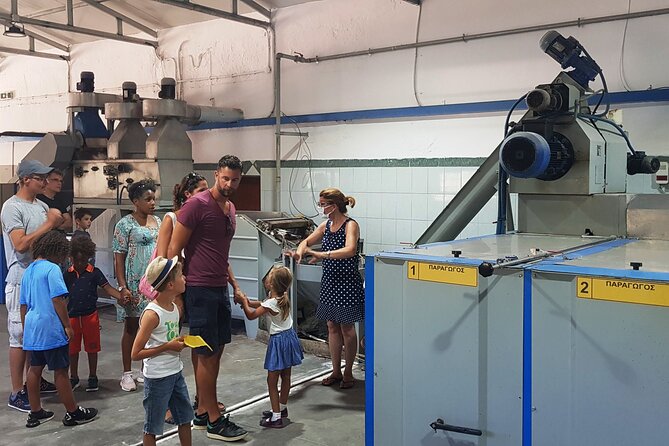
Your first stop is the Paraschakis Olive Oil facility in Melidoni. This isn’t just a shop with a couple of displays. You get a tour in the mills themselves, with the promise of seeing three different mills as part of the visit.
What makes this stop worth your time is the way the facility is presented: state-of-the-art production, clear processes, and strict specifications aimed at quality. Translation for your day: you’ll likely get a quick, focused look at how olives turn into bottled oil, with the emphasis on controlled production rather than folklore.
Also, plan your energy. Olive oil tours tend to be straightforward and time efficient. If you are hoping for long, story-heavy explanations, you might not get that at every moment. Still, the included admission ticket and the “see the mills” angle are a good value start for the itinerary.
Stop 2: Apithano Honey Museum, tasting, and a lab visit
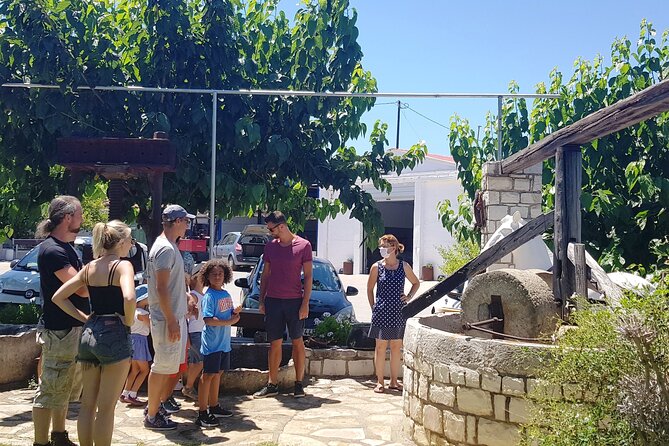
Next is the Apithano Honey Museum for tasting and tours. This stop is designed around the biology and production side of honey, including a look at their lab and an exploration of the world of bees and apiθano.
You can expect an experience that feels more sensory than the olive oil stop. Honey is all aroma and texture, and this museum experience leans into that. After the tour, there is also tasting, which is the payoff: you get to compare the results instead of only hearing about them.
This is the kind of stop I recommend to anyone who likes food experiences that connect to how ingredients are actually sourced. The tour also frames honey as coming from selected areas of Crete, using the island’s biodiversity and endemic plants as part of the explanation. You don’t need to be a science person to enjoy this one.
One consideration: this portion can be relatively short. If you like asking follow-up questions, it helps to come with a couple prepared, like how they select sites or what flavors they look for when testing.
Stop 3: Tsikalario cretan ceramics in Margarites pottery village
For many people, this is the highlight, and it’s the one stop that feels most “you are doing something.” You go to the pottery village of Margarites, then you learn to make a ceramic piece in a workshop setting.
The workshop is described as learning to make your own ceramic free of charge in a studio in Margarites. It’s positioned as a single-session experience for individuals who want a first taste of pottery, not a multi-day course. In other words, you’ll get a meaningful hands-on moment without committing to a full craft apprenticeship.
Why Margarites matters: the area has clay deposits and a long tradition of pottery. You’re also surrounded by natural scenery, described around two parallel gorges with plants and aromatic vegetation. Even if you do not focus on hiking that day, it helps the ceramics village feel like a real place, not a staged set.
Here’s my practical advice for the ceramics portion:
- Wear clothes you’re comfortable getting a little messy in.
- Expect it to be more physical than the food stops.
- If you buy pieces, plan your bag space early, because ceramic purchases can add up fast.
Stop 4: Arkadi Monastery and the Venetian church

After the hands-on and tasting stops, you shift into history. Arkadi Monastery is known for its Venetian church and the tragic events of 1866, which became a national symbol of Crete’s independence struggle.
This stop gives the day balance. You go from factories and kitchens, to a production story, to craft, and then to a site that anchors the island’s modern identity. It’s also a good way to break up the food-and-crafts intensity, especially if you like cultural stops with meaning rather than only architecture for architecture’s sake.
Given the time slot, you should expect a focused visit, not a long wandering day. Still, if you want one place that connects you to why Crete matters in Greek history, this is one of the best candidates on the list.
Groves that have produced oil for generations

What the private transportation actually changes for your day
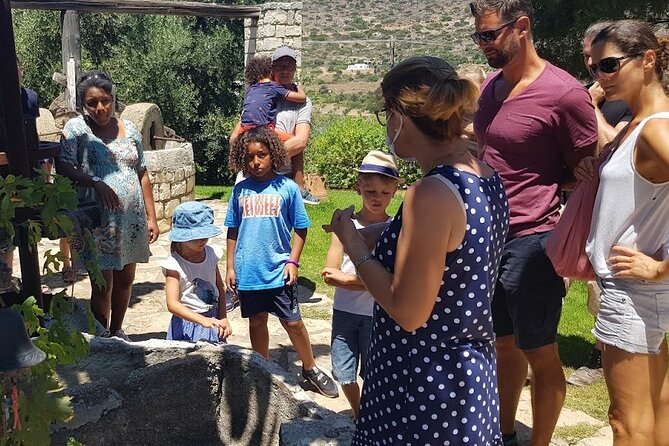
The tour includes private transportation, bottled water, and an air-conditioned vehicle. You also get an English speaking driver. That combination matters more than it sounds, because it keeps the pacing realistic.
Private also means:
- You do not have to match your schedule to a bus schedule.
- The order of your experience can feel smoother, especially when you have purchased items you want to stash.
- Your group size stays compact, which helps if you want to ask questions at the stops.
One important caveat from real-world expectations: the tour does not include a dedicated tour guide in the package, so you may not get deep, continuous narration at every site. In practice, that often means the driver handles logistics and maybe basic context, while the on-site staff covers the product or craft.
So if you like lots of talk, plan to ask questions directly at each stop, and expect the level of storytelling to vary by location.
Timing, duration, and how to plan your day around 5 to 7 hours
The tour operates within opening hours listed as 9:00 AM to 3:30 PM, Monday through Sunday. Pick-up time is flexible, and the overall duration is about 5 to 7 hours.
That time window tells you something useful: this is built as a daytime outing, not an all-day grind. You can pair it with an easy dinner plan afterward without feeling wrecked.
It’s also booked fairly far in advance on average (around 85 days), which is a hint that the operator stays busy. If you have a tight schedule, I’d rather lock it in early than gamble on last-minute availability.
Price and value: what $722.47 per group really means
The price is $722.47 per group, for up to 7 people. The value depends on how many seats you fill.
- If you fill the group, it works out to roughly $100 per person for a private van plus admission tickets for major stops.
- If you travel as a small group of 2 or 3, it can feel pricier per person, but you still get private transport and a structured route with multiple included admissions.
My take: this is good value if you want a curated day without the hassle of organizing separate tickets and transport to Melidoni, Margarites, and Arkadi. It’s also a good deal for food and craft lovers, because you get both tasting and a workshop moment, not just viewing.
If you only care about one or two stops, you may feel the price is harder to justify. In that case, compare against doing just the ceramics and Arkadi on your own with a driver.
What to expect at each stop, in plain terms
Here’s the practical flow of how the day usually feels:
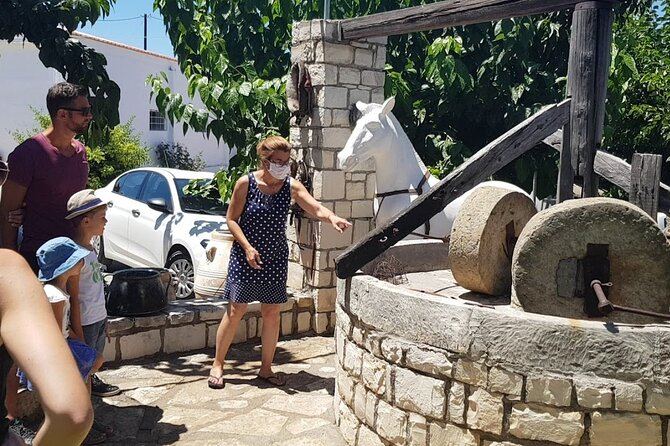
- Olive oil mill tour: organized, included admission, focused on production process.
- Honey museum and tasting: a short learning segment, lab visit, then tasting as the payoff.
- Ceramics workshop in Margarites: the most active stop, you make something and enjoy the village setting.
- Arkadi Monastery: a culture and history wrap-up that connects Crete’s story to a specific site.
The day is structured so you don’t have to think too hard. Your main job is to show up on time, wear comfortable clothes for ceramics, and pace yourself between food experiences.
Best fit: who this tour suits
This works best if you fit one of these profiles:
- You like food experiences that link back to production sites, not just a store visit.
- You want a hands-on souvenir you make yourself in Margarites.
- You want one day that mixes craft and history without needing a guidebook all day.
It may be less ideal if you mainly want a long, talkative guided lecture at every stop. Because a dedicated tour guide is not included, the depth of commentary can vary.
What to bring (and what to skip)
For a day that includes tastings and ceramics, pack like this:
- Comfortable clothes and shoes you can wear for a workshop.
- Something to carry purchases, especially after ceramics.
- Basic curiosity and a few questions for the staff at the production sites.
Skip heavy plans. The route is designed to be efficient, and the best part is letting each stop take its turn.
Should you book the Pottery, Honey, and Olive Oil experience?
If you want a single private day in Crete that combines olive oil production, honey tasting, a ceramics workshop in Margarites, and Arkadi Monastery, this is a strong choice. It’s especially worth it when you can fill more of the group seats, since the cost per person drops quickly.
I’d book it if ceramics and food production are your top interests, and you’re okay with the fact that some stops may feel more like short introductions than long storytelling sessions. If you want deep narration at every site, plan to ask lots of questions on the spot, and keep your expectations matched to the half-day format.
FAQ
What is the price for the Pottery, Honey & Olive Oil experience?
The price is $722.47 per group, up to 7 people.
How long is the tour, roughly?
The tour lasts about 5 to 7 hours.
Where does pickup happen?
Pickup is offered only from Heraklion city and Rethymno city.
What’s included in the price?
It includes private transportation, bottled water, an English speaking driver, and an air-conditioned vehicle. Admission tickets are included for the main stops.
What is not included?
Lunch and coffee and/or tea are not included. A tour guide is also not included.
Is this tour private?
Yes. It is private, and only your group participates.
What languages is the experience offered in?
The experience is offered in English.
Do I need good weather?
Yes. The experience requires good weather. If canceled due to poor weather, you’ll be offered a different date or a full refund.
Are service animals allowed?
Yes, service animals are allowed.
Recently Published: Chania Tours
- Elafonisi Pink Sand Beach | Private Day Trip from Heraklion★ 5.0 · 1 review
- Samaria Long Way from Rethymno★ 5.0 · 1 review
- Kayaking or River trekking or Rafting- kiliaris activities chania★ 5.0 · 1 review
- Chania Old Town, Ancient Olive Tree&Theriso Village Private Tour★ 5.0 · 1 review
- Private Tour From Chania Area to Rethymno and Arkadi Monastery★ 4.0 · 1 review
- Private Driver & Chauffeur Service in Crete from Chania★ 5.0 · 1 review
- Minoan Luxuries: Ancient Palaces, Messara Wine Routes & Matala★ 5.0 · 1 review
- From Chania: Imbros Gorge Hike&Authentic Culinary Experience★ 5.0 · 1 review
Olive Oil Tastings, compared.
Quad Safari, Olive Mill with Tasting & Ghost Village
Read our review →
Knossos-Zeus Cave -Old Traditional Villages-Olive Oil Factory
Read our review →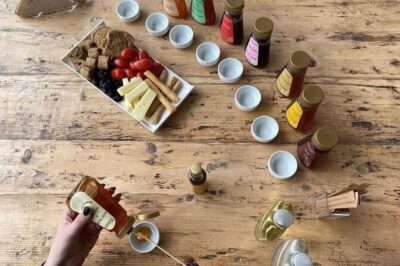
Road-trip to Lasithi, Zeus Cave & Olive Mill Farm
Read our review →
Lassithi, Zeus Cave, Olive Mill Farm & Knossos Combo Tour
Read our review →
Zeus Cave, Lassithi Plateau, Olive Oil Factory, Kritza, Pottery
Read our review →
Browse the lists this tour appears in