
Reviewed · CRETAN MONASTERY TOURS
Private Tour in Chania Monasteries
Cretan chapels feel like quiet time travel. This private countryside day strings together key monasteries, whitewashed chapels, and rural villages around Chania, with a historian-style guide and convenient pickup.
I like how the route mixes headline sites with smaller, more personal places, including the underground Kathiana church and the abandoned early Byzantine church at Alikianos. I also love the practical religion angle, with visits tied to real production and daily life, like monks’ organic work and a 19th-century olive oil mill.
One consideration: monastery entrances are not fully included. Budget about 10 euros for admission, and note that a few stops are shorter so you will want to keep your pace.
In This Review
- Key highlights you will actually care about
- A Private Historian-Led Day in Chania Countryside
- Price and Value: What $174.53 Covers, and What Costs Extra
- Getting Around with a 6 to 8 Hour Rhythm (and a Real Start Time)
- The Day’s Flow: Monasteries First, Then Chapels, Then Village Life
- Stop 1: Moni Agias Triados and the Monks’ Organic Work
- Stop 2: Gouverneto’s Strict Silence and Mount Athos Links
- Stop 3: Akrotiri’s Whitewashed Chapel Photo Stop in an Undisclosed Spot
- Stop 4: Kathiana Underground Church, Where the Past Still Worked
- Stop 5: Apokoronas, the Olive Mill Connection, and Church-Agriculture Links
- Stop 6: Riverside Village Coffee or Lunch Break in Apokoronas
- Stop 7: Alikianos, an Abandoned 5th-Century Church and Fresco Remains
- Who This Tour Suits Best (and Who Might Skip It)
- Quick verdict: Should you book Proper Cretan Guide’s Private Monasteries Tour?
- FAQ
- How long is the private monasteries tour?
- What time does the tour start in Chania?
- How much does it cost per person?
- Is pickup and drop-off included?
- Is the tour private?
- Is WiFi available on the vehicle?
- Are monastery entrance fees included?
- What does the day include for meals?
- Can this be booked as a shore excursion?
- What is the cancellation policy?
Key highlights you will actually care about
- Private door-to-door pickup from central Chania, with a/c vehicle and WiFi onboard
- Licensed historian-style guide (Greek Ministry of Tourism & Culture) who explains culture, customs, and Orthodox traditions
- Monks’ production stories you can see in person, including organic products and an olive oil mill from the 1800s
- Whitewashed chapel photo stop at Akrotiri, located away from the main traffic so it feels more special
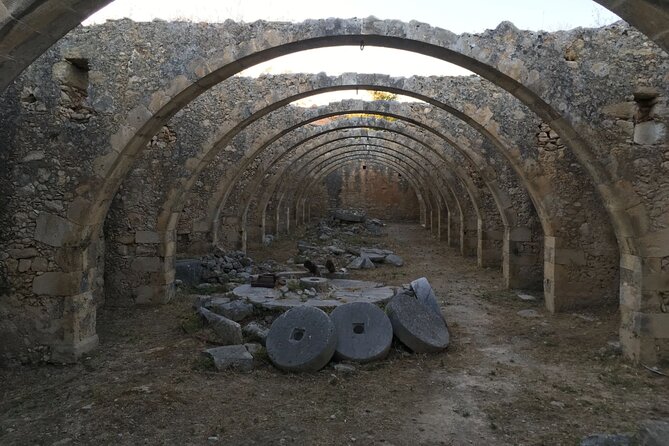
- Offbeat sacred spaces, from the underground Kathiana chapel to an abandoned 5th-century church with fresco remains
- Cruise-friendly option, available as a shore excursion covering Chania and Souda Cruise Port
Frescoed chapels tucked into the hills
- Chania: Hiking through History and Hidden Gems at Katholiko Bay
★ 4.0 · 19 reviews - Shore Explore Chania: City Charm, Beach, Monastery & Winetasting
★ 5.0 · 13 reviews - Chania Private Tour: Monastery, Scenic Gorge & Mountain Views
★ 5.0 · 12 reviews - Monastery, Elafonissi and Winery Tour from Chania
★ 5.0 · 8 reviews - Chania Old Town, Public Market and Chrisopigi Monastery Tour
★ 4.5 · 6 reviews
A Private Historian-Led Day in Chania Countryside
This is the kind of Chania tour that trades rushing for context. You are not just seeing buildings and taking quick photos. The day is built around how Orthodox faith shaped community life, from monastic routines to village agriculture.
The private setup matters. Only your group rides together, so the timing feels smoother, and you can ask questions without waiting for a bigger group to catch up. The vehicle is air-conditioned, and there is WiFi onboard, which helps if you need to check timing, maps, or tickets while you are on the move.
There is also a clear focus on “culture and customs,” not only architecture. That shows up in the way stops are chosen. You will visit a monastery with a small museum and a look at monks’ organic products, then move into places connected to farming and olive oil production. The religious sites are the headline, but the everyday links are what make the explanations stick.
One posted review gave the experience a perfect 5 out of 5, and singled out the guide’s friendliness and strong grasp of what you are looking at. It also praised the ability to reach quieter churches that many people miss, because they are known more to locals than to casual day-trippers.
Price and Value: What $174.53 Covers, and What Costs Extra
At $174.53 per person, this is not a budget filler. It is priced like a full private day with a licensed guide, transport, and included fees and taxes.
Here is what you do get in the base price:
- Professional historian tour guide and driver licensed by the Greek Ministry of Tourism & Culture
- Air-conditioned vehicle and private transportation
- Free hotel pickup and drop-off from central Chania areas
- WiFi on board
- All fees and taxes for the tour itself
- Mobile ticket (so you are not scrambling with printouts)
What you do not get is admission for monastery sites. The tour lists monasteries entrance fees around 10 euros. That lines up with the itinerary having at least one stop where admission is explicitly not included.
So the value question becomes simple:
- If you want a guided, private day with deep Orthodox and countryside connections, the price feels fair.
- If you only want the quick highlights and you hate paying separate entrance fees, you might feel like it is more expensive than you expected.
Getting Around with a 6 to 8 Hour Rhythm (and a Real Start Time)
The day runs about 6 to 8 hours, starting at 8:30 am. The duration includes transportation time, which matters because these places are spread out across the Chania mainland and countryside.
You will get convenient pickup from central Chania, and drop-off is included. That saves you from the hassle of finding meeting points on your own, especially if you are staying in a busier area where parking is tight.
Also, the tour is built to be private, but it is still realistic for most people. It states that most travelers can participate, and it is timed like a full day that balances visiting and short breaks. You should plan for the day to feel active, not museum-only. Several stops are focused and time-boxed, so you get meaning, but you do not get hours and hours at every building.
One more helpful detail: confirmation is received at booking, and the tour uses a mobile ticket. That is handy for day planning if your phone has signal or if you like having everything in one place.
The Day’s Flow: Monasteries First, Then Chapels, Then Village Life
The order of stops is intentional. You start with major monastic sites, where the guide can frame Orthodox monastic life and explain what you are seeing. Then you shift toward chapels and smaller sacred spaces, including a famously unusual underground church and a whitewashed photo stop.
After that, you move into places connected to production and local community rhythms. That part is not just nice scenery. It changes how you interpret the religion you are seeing. A monastery is not only prayer. It is also storage, food systems, labor, and relationships with the surrounding villages.
Finally, the day closes with a visit to an abandoned early Byzantine-era church and a look at preserved fresco remains. That ending tone is important, because it gives you a “continuity” feeling. The guide is not treating sites like separate postcards. You are seeing how early Christian and Byzantine traditions can echo through the same region and sacred spaces.
Stop 1: Moni Agias Triados and the Monks’ Organic Work
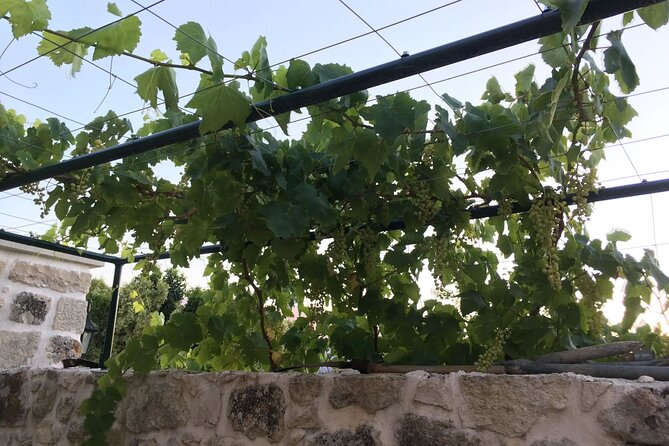
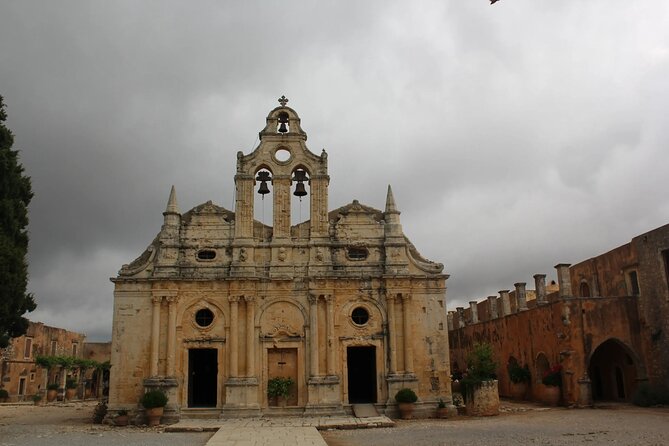
Your first stop is Moni Agias Triados ton Tzagkarolon, one of Chania’s important monasteries. You will have about 1 hour there, with free admission.
What makes this stop more than a quick walk is the mix of spaces:
- Time to visit the monastery itself
- A look at the monastery’s small museum
- Context about organic products the monks produce
That last part is the value win. Seeing a monastery museum plus hearing how monks’ work connects to food production gives you a grounded way to understand why these sites mattered. It is easy to treat monasteries as only spiritual retreats. This visit nudges you to see them as working communities too.
How to use your time here: take a slow lap first, then return for the parts that interest you most. If you like photography, the monastery areas can give you more than just “church walls.” If you prefer history, focus on the museum section so the guide’s explanations land.
Plenty else to see around Chania
Stop 2: Gouverneto’s Strict Silence and Mount Athos Links
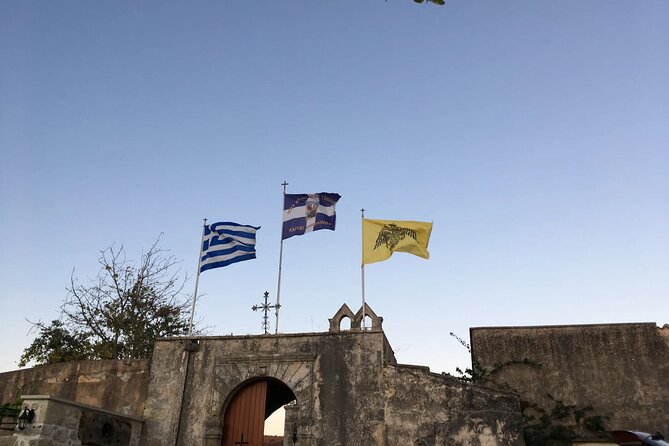
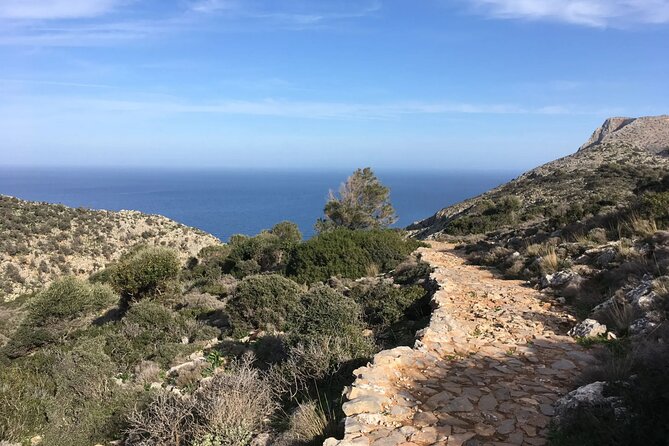
Next up is Gouverneto Monastery. This one is described as strict and located in a desolate, breathtaking setting in north Chania.
You get about 1 hour, but admission is not included. The itinerary still makes time for you to take it in properly, which matters because this is the kind of place where the setting is part of the story.
A key detail here is the monastery’s connection to Mount Athos, described as the heart of Greek Orthodox tradition. The guide’s framing at this stop is likely where you will learn to connect one location to a bigger spiritual world.
Possible drawback: because this is a strict monastery and the admission is extra, you may want to go in mentally prepared for a quieter, more rule-oriented atmosphere. Dress and behavior expectations can feel stricter at Orthodox religious sites than at open-air viewpoints. If you want an easy, casual photo sprint, this may feel more serious.
Stop 3: Akrotiri’s Whitewashed Chapel Photo Stop in an Undisclosed Spot
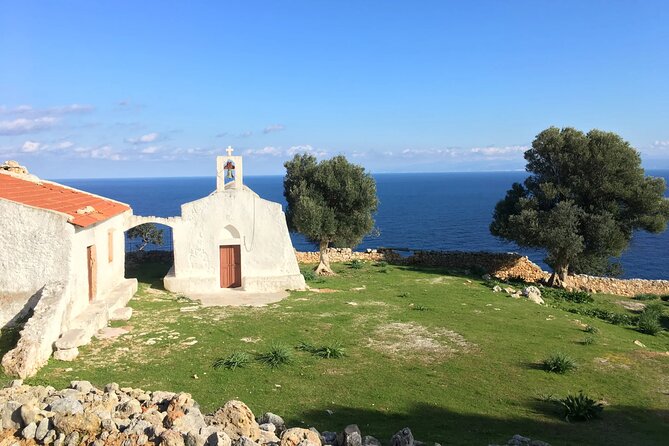
After the monasteries, the day turns more scenic with Akrotiri. You get a sightseeing and photo stop at a whitewashed chapel that is described as one of the most beautiful and unforgettable in the Chania region.
The location is kept undisclosed, which is often a good sign. It usually means less mainstream traffic and a more “you found this” feeling. You get about 1 hour here, and the focus is on sightlines and photos, not a long internal visit.
What you will enjoy most: the contrast between earlier stops and this one. At monasteries, you understand function and faith. At Akrotiri, you get the visual payoff, with bright chapel walls against the surrounding country views.
Tip for your photos: shoot a few wide angles first, then move for details like doorways, steps, and the way light hits the white surfaces. Chapel scenes often look best when you include a little context.
Stop 4: Kathiana Underground Church, Where the Past Still Worked
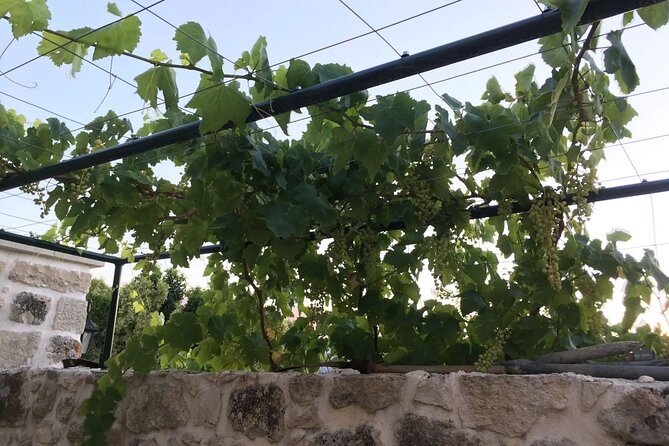
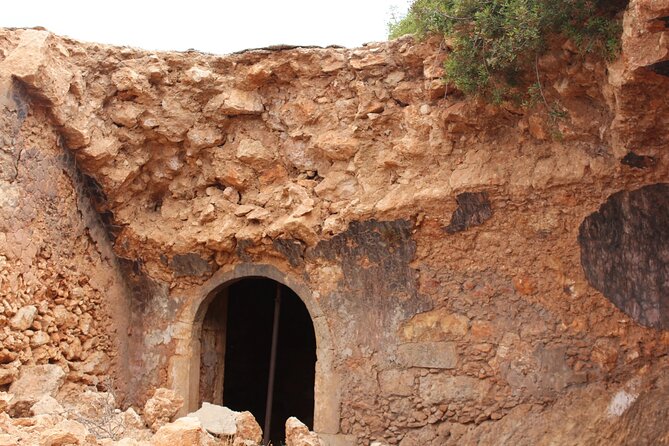
This stop is one of the most distinctive on the route: Kathiana, a one-of-a-kind underground church.
You will spend about 40 minutes, and admission is listed as free. This is a compact stop, but it is designed to change how you think about sacred space. Instead of only looking up at icons and walls, you are in a setting that is literally below ground.
The explanation focus here is practical and historical. You will learn about:
- The past of Orthodox tradition
- The different occasions this chapel helped the local community through the ages
That “helped the local community” detail is what turns it from trivia into meaning. You are not only learning religious doctrine. You are learning why this place existed where people needed it.
Why this stop is worth your attention: underground spaces can feel quiet and slightly dim, which makes the guide’s storytelling especially important. If you rush here, you can miss the point.
Stop 5: Apokoronas, the Olive Mill Connection, and Church-Agriculture Links
Then comes Apokoronas, where you visit a small monastery complex with close connection to agriculture production. The star detail is a state-of-the-art olive oil mill of the 19th Century.
You get about 1 hour and admission is free at this stop.
This is one of the most “you can see it, not just hear it” parts of the tour. The guide is there to explain:
- The significance of olive mills for the people of the past
- How the church connected with local communities
If you like travel that connects food, labor, and belief, this stop is a highlight. Olive oil is not just a product here. It is a thread that ties seasonal work, storage, community needs, and religious life together.
Small drawback to expect: if you are mostly here for architecture photos, the oil mill angle could shift attention away from pure chapel visuals. But if you like context, this is exactly the point.
Stop 6: Riverside Village Coffee or Lunch Break in Apokoronas
After the monastery complex, you get a small coffee or lunch break in a picturesque village of Chania mainland, described as by the riverside.
You will have about 1 hour here. Admission is not the focus now, so this is your recovery moment. It also gives you time to pace yourself before the final sacred-site visits.
The tour does not include snacks, food, or drinks at the stops. So treat this break as your chance to decide what you want to spend. If you are budgeting tightly, keep an eye on what you order.
This stop is also useful because it makes the whole day feel more human. Monasteries can be heavy on attention. A riverside break gives you room to reset.
Stop 7: Alikianos, an Abandoned 5th-Century Church and Fresco Remains
The last site is Alikianos, described as an abandoned and little-known church from the First Byzantine era (5th Century AD).
You get about 1 hour, and admission is free for this stop. Here is what you are meant to focus on:
- Awe at the connection between the Roman Church and the Byzantine Church
- Admiring remains of frescoes
- Understanding how divine liturgy was carried out in early Christian centuries
This is the stop that brings the day into deeper time. You are not just looking at an active shrine. You are reading layers of tradition through traces left behind.
Why it works as a finale: ending with something abandoned makes the day feel complete. You see how sacred sites evolve, disappear, and still influence later sacred understanding.
What to watch for: because the church is described as abandoned and unknown, the physical condition may mean less comfort than a maintained monastery. You might want sturdy, grip-friendly shoes and patience as you move around remains.
Who This Tour Suits Best (and Who Might Skip It)
This private monastery day fits best if you want:
- A licensed guide who explains customs and Orthodox tradition through real places
- More than one “type” of site, including underground and abandoned churches
- A countryside feel that connects to agriculture, organic production, and olive oil
It also suits couples and small groups who want to ask questions and move at their own pace. The fact that it is private is the big comfort factor.
You might consider skipping or picking something else if:
- You strongly prefer free, self-guided wandering with no separate entrance fees
- You want a strictly photo-only tour, with no museum or production context
- You dislike quiet or strict monastery settings
Quick verdict: Should you book Proper Cretan Guide’s Private Monasteries Tour?
If your idea of a great day in Chania is monasteries plus context, this is a strong pick. The itinerary gives you a smart mix: key monasteries like Moni Agias Triados, a strict north Chania stop at Gouverneto, a whitewashed chapel photo moment at Akrotiri, the unusual underground experience at Kathiana, and the production-linked stop in Apokoronas with that 19th-century olive oil mill. The ending at Alikianos gives the day a satisfying historical echo.
You are paying for private transport, a licensed guide, and real explanations, not just sightseeing. The only real “watch this” item is the extra 10 euros for some monastery entrances.
If you value people over crowds, and you like your history with working-world details like olive oil and monastery-produced products, you are likely to enjoy this one.
FAQ
How long is the private monasteries tour?
The tour runs about 6 to 8 hours, with transportation time included.
What time does the tour start in Chania?
The start time is 8:30 am.
How much does it cost per person?
The price is $174.53 per person.
Is pickup and drop-off included?
Yes. There is free hotel pickup and drop-off from all Chania central areas.
Is the tour private?
Yes. This is a private tour, and only your group participates.
Is WiFi available on the vehicle?
Yes, WiFi is available on board.
Are monastery entrance fees included?
Monastery entrance fees are not included. The tour notes an entrance fee amount of 10 euros, and at least one stop lists admission as not included.
What does the day include for meals?
Snacks and food or drinks at the stops are not included. There is a small coffee or lunch break included as part of the schedule.
Can this be booked as a shore excursion?
Yes. It is also available as a shore excursion covering Chania and Souda Cruise Port.
What is the cancellation policy?
You can cancel for a full refund if you cancel at least 24 hours before the experience’s start time. Free cancellation is available under that timing rule.
Recently Published: Chania Tours
- Elafonisi Pink Sand Beach | Private Day Trip from Heraklion★ 5.0 · 1 review
- Samaria Long Way from Rethymno★ 5.0 · 1 review
- Kayaking or River trekking or Rafting- kiliaris activities chania★ 5.0 · 1 review
- Chania Old Town, Ancient Olive Tree&Theriso Village Private Tour★ 5.0 · 1 review
- Private Tour From Chania Area to Rethymno and Arkadi Monastery★ 4.0 · 1 review
- Private Driver & Chauffeur Service in Crete from Chania★ 5.0 · 1 review
- From Chania: Imbros Gorge Hike&Authentic Culinary Experience★ 5.0 · 1 review
- Minoan Luxuries: Ancient Palaces, Messara Wine Routes & Matala★ 5.0 · 1 review
Cretan Monastery Tours, compared.
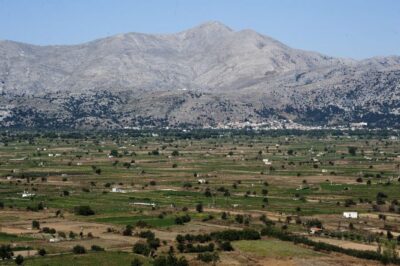
Lassithi Plateau & Kera Monastery Tour with Ceramics
Read our review →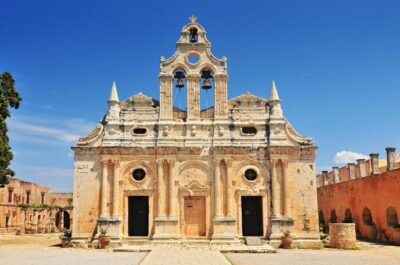
Melidoni Cave and Arkadi Monastery Half-Day Trip
Read our review →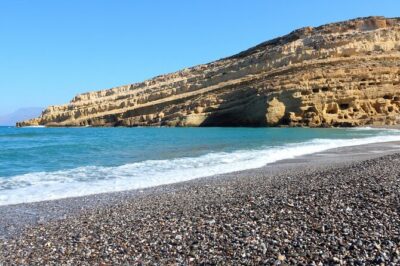
Matala Beach, Hippie Caves & Odigitria Monastery
Read our review →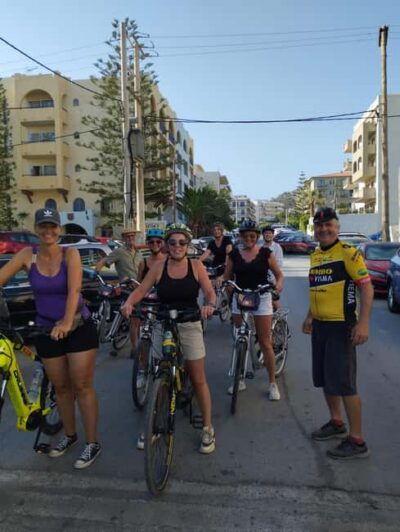
e-Bike Cycling Tour to Arkadi Monastery Full Lunch included
Read our review →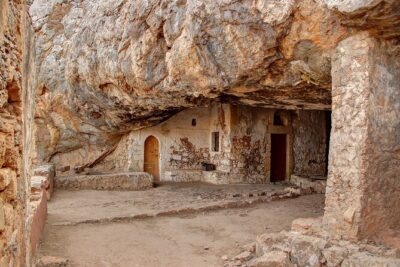
Hiking through History and Hidden Gems at Katholiko Bay
Read our review →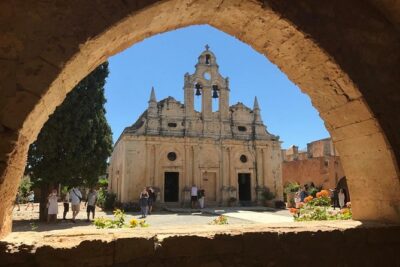
Pottery Village of Margarites – The monastery of Arkadi & The Gorge of Patsos
Read our review →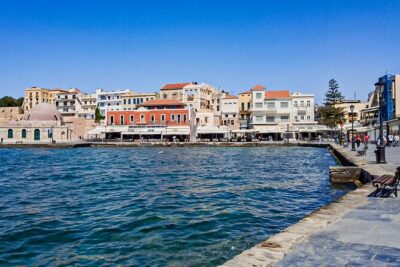
Shore Explore Chania: City Charm, Beach, Monastery & Winetasting
Read our review →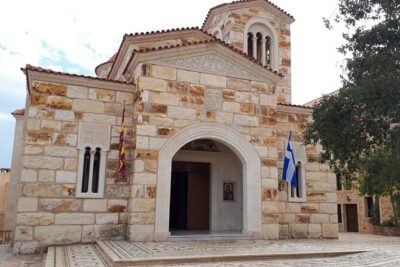
Chania Private Tour: Monastery, Scenic Gorge & Mountain Views
Read our review →Browse the lists this tour appears in