
Reviewed · CRETE
PSILORITIS(mount Ida) Crete’s Highest Point 2456m
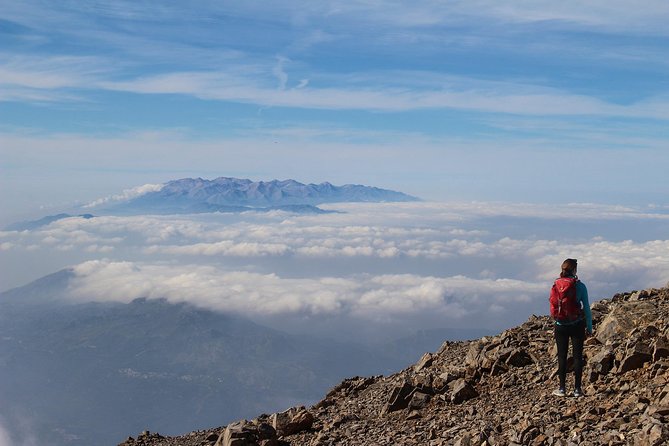
Crete’s highest peak is a real day out. A hike to Psiloritis (Mount Ida), with UNESCO geopark geology and myth about Zeus, makes this one feel more meaningful than just chasing a number. I especially like the small group size, capped at 8 people, so the pace stays human.
I also like that you get real support for the climb. Trekking poles are included, plus you stop for snacks along the way, so you are not guessing what you will need at hour 6. That matters when the day runs around 8 hours total.
One consideration: this is not a casual walk. You should have moderate physical fitness, and depending on the route and conditions, expect around 900 meters up and down as a tough-but-doable reference point from past hikers.
In This Review
- Key things that make this hike worth your time
- Psiloritis summit, why 2,456 meters feels like a payoff
- Mount Ida myths and UNESCO geopark details, why it is more than scenery
- The day on the trail: pace, stops, and what “full day” really means
- Gear support that matters: poles, snacks, and smart pacing
- Views over Crete: how to time your summit moment
- Terrain variety and why UNESCO geology makes it more memorable
- Price and value: what you pay for on a Creta Trekking summit day
- Who this hike suits best (and who should choose another day)
- Practical tips so you feel good on Psiloritis
- Should you book Creta Trekking’s Psiloritis hike?
- FAQ
- How long is the Psiloritis hike?
- What is the hiking difficulty level?
- How many people are in the group?
- What is the summit height you reach?
- Are trekking poles and snacks provided?
- What happens if the weather is bad?
Key things that make this hike worth your time
- Crete’s highest point: Psiloritis summit at 2,456 m
- UNESCO Global and European Geopark area: unique flora and geological features
- Small-group pace: maximum 8 travelers, guided, full-day focus
- Trekking poles and snacks included: fewer worries, more hiking time
- Myth and geology together: Zeus is tied to these slopes in Greek mythology
- Big payoff views: sweeping panoramas when you reach the top
A handful of other ways to spend the day in Crete.
- Crete: Day Trip to Agios Nikolaos and Spinalonga Island
★ 4.6 · 4,416 reviews - Agios Nikolaos: Boat Trip to Spinalonga with Swim Stop
★ 4.4 · 3,031 reviews - Crete: Knossos Palace Entry Ticket with Optional Audio Guide
★ 3.9 · 2,251 reviews - From Chania: Day Trip to Elafonisi Island Pink Sand Beach
★ 4.5 · 2,014 reviews - Chania/Rethymno: Balos & Gramvousa With Pickup & Boat Ticket
★ 4.3 · 1,703 reviews
Psiloritis summit, why 2,456 meters feels like a payoff
Psiloritis is the highest mountain in Crete, sitting at 2,456 meters. That alone is the headline, but the real value is how the hike is framed: you are not just walking to a photo point. You are climbing through a changing set of environments on the way up, which makes the summit feel earned.
You should plan for an all-in day. The total time runs about 8 hours including hiking and stops. The structure is built around the idea that the ascent is the big work segment, with roughly three hours to reach the top, then you turn it into a long descent back down to the meeting point.
It helps that this is organized as a guided small-group expedition. With up to 8 people, you are less likely to get stuck behind a big pack or lost in a crowd. If you want the day to feel like a hike with purpose, not a line-walk, this setup tends to work well.
Also, the summit itself is more than a view. It is a moment to reset, take in the scale of the island, and get your body back under control for the descent. If you love the feeling of reaching a goal and then switching gears calmly, you will get that rhythm here.
Mount Ida myths and UNESCO geopark details, why it is more than scenery
This hike is tied to Mount Ida (Psiloritis). In Greek mythology, Zeus is said to have been raised on these slopes. Even if you are not a mythology person, I like having that thread, because it gives you a reason to look around beyond the trail in front of you.
What makes it especially compelling is the UNESCO connection. The Psiloritis range is listed as both a UNESCO Global Geopark and a UNESCO European Geopark due to its unique flora and geological features. That matters because the point is not just “nice views.” The area is protected and recognized for how its rocks and plant life reflect a special natural story.
On the trail, you will be walking through varied terrain on the way to the summit, and you can expect that the geology and vegetation differences are part of what you notice along the climb. The day is presented as a way to experience those features with a guide, which usually means you spend more time looking and less time guessing.
If you are the type who likes understanding what you are stepping on and why a place is protected, this has an advantage over a purely scenic hike. If you only care about views, you still get them. But the UNESCO framing can make the whole experience feel more grounded and intentional.
The day on the trail: pace, stops, and what “full day” really means
Your day starts in Bali, Crete. The meeting point is given with plus codes near Bali (CQ5J+QH and CQ5J+QHR). From there, you hike up through the Psiloritis range toward the summit.
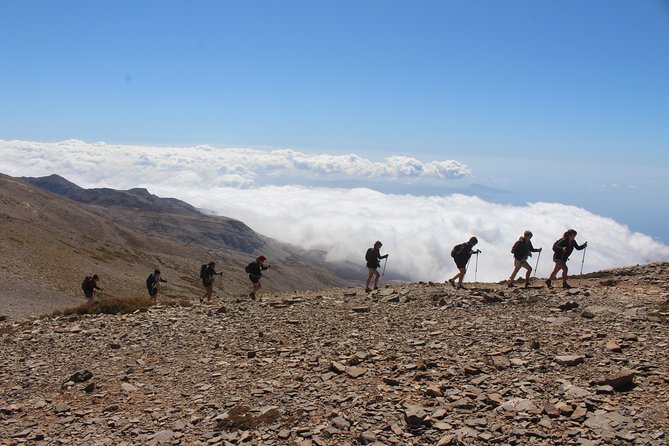
A key piece of what to expect is the timing. The hike to the top is described as taking about three hours. That tells you the route is not designed as a slow, meandering stroll. It is structured for steady movement and a workable summit window.
Then comes the view payoff, followed by the return. The full-day timing suggests you are out long enough to feel the altitude and exertion, even if you are not climbing technical terrain. You also get snacks during the experience, and trekking poles are provided. Together, those details signal that the operator wants you to finish feeling more capable, not wiped out.
One more detail that influences how the day will feel: the group size limit is 8 travelers max. In a small group, the guide can manage pace, check in, and adjust if the weather shifts. It is also easier to keep your own focus, because you are not constantly dodging around larger groups.
Real talk about difficulty: you should have moderate physical fitness. If you are used to regular walks but not much elevation work, this will still be doable, but you will want to prepare. If you are already a frequent hiker, you will likely find the climb more straightforward.
Gear support that matters: poles, snacks, and smart pacing
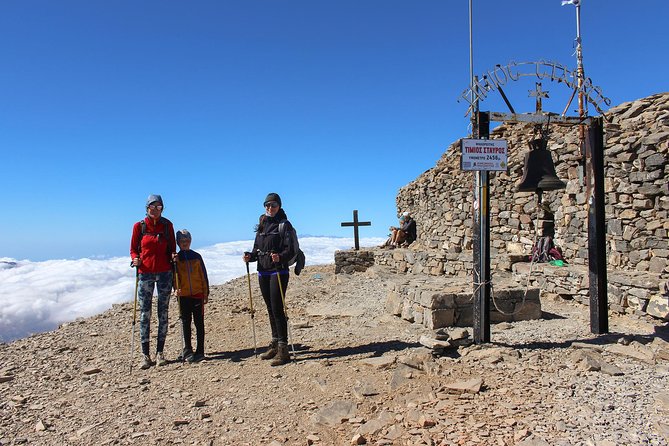
For a hike like this, the difference between a good day and a rough one is often not the summit, it is the small basics. Here, they include trekking poles and snacks. That may sound simple, but it reduces friction.
Poles take pressure off your knees during descent, which is often where a “fine going up” hike turns annoying. Even if you normally hike without poles, having them provided is a nice safety net for the steep moments you will face on the way down.
Snacks also matter because the day runs about 8 hours. You want energy on board before you feel hungry, not after. The summit is described as offering spectacular views, and past hikers specifically noted a tasty summit snack, which fits the idea that you pause, eat something, and then descend with better energy.
The guide is another part of this package. One name that comes up is Michaelis, highlighted for being highly professional and providing great service. In practice, that usually means clearer instructions, better pacing decisions, and more confidence that the group is being managed safely without slowing you to a crawl.
If you like tours where the leader actually leads, not just follows your group along, this is a good match. The small-group format helps the guide keep quality high.
Views over Crete: how to time your summit moment
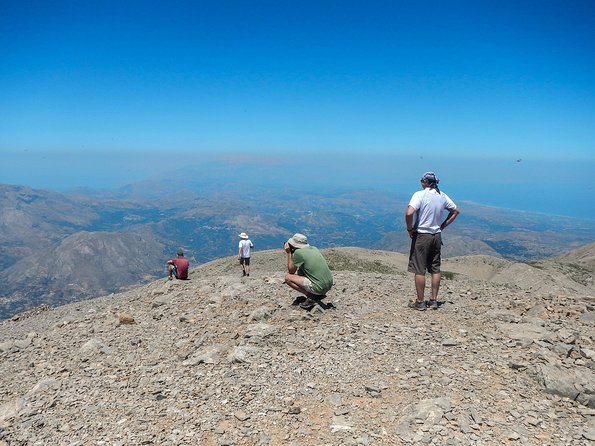
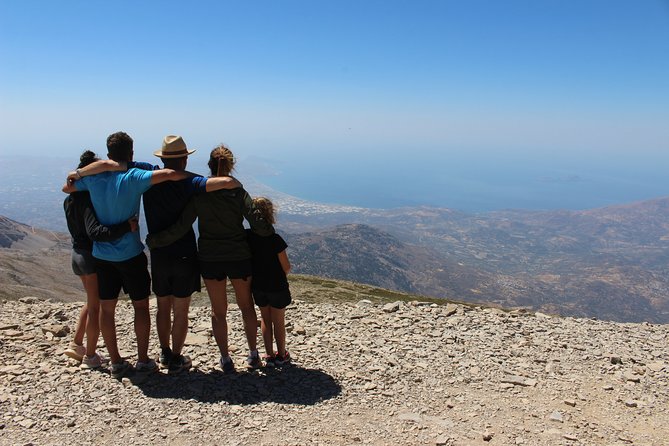
The summit is where the whole day pays off: you reach the top of Psiloritis and get sweeping views over Crete. The experience description calls the view “spectacular,” and that is exactly what you should plan for, because weather and light can change quickly at altitude.
You have roughly three hours to reach the top. That means you will likely arrive with enough time to stop, absorb the scenery, and handle the practical stuff like water and photos without rushing. The included snack is a smart touch, because it encourages you to actually take the break rather than just stand there staring and then realize you are running low on energy for the descent.
For best results, treat the summit break as two phases. First, look and breathe. Second, reset your body. In hikes like this, a slow, calm regroup helps you descend more safely and keep your legs working instead of tightening up.
Also, remember that this hike is weather dependent. The operator notes a good weather requirement, and if conditions are poor, you are offered a different date or a full refund. That means if you see a good weather window, grab it. On this kind of climb, cloudy conditions can still be safe, but the whole point is the panoramic payoff.
Not ready to stop exploring Crete? Try one of these.
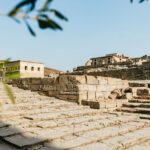
Terrain variety and why UNESCO geology makes it more memorable
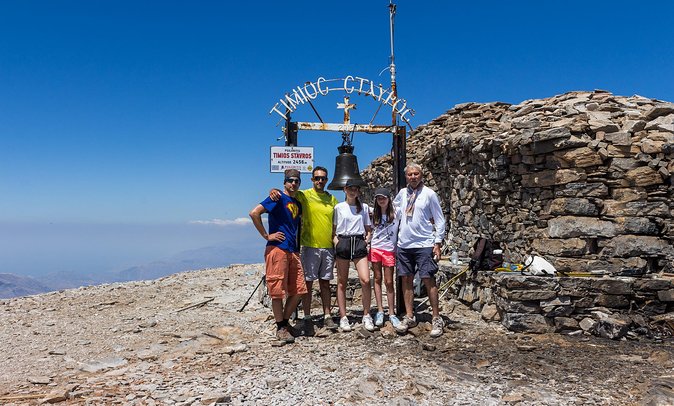
You are walking through a variety of landscapes on the way up. That phrase is not just marketing. It suggests that the climb changes the way the trail feels and looks, likely shifting through different ground types and vegetation pockets as elevation increases.
Because this area is a recognized UNESCO geopark, the day also frames the climb as a chance to experience unique flora and geological features. Even if you are not identifying plants on sight, it is still rewarding to notice the differences in rock, ground texture, and what grows where. A guided hike turns that from vague observation into a set of meaningful moments.
This is where the small group helps again. In a larger group, you end up looking at your feet and forgetting the rest. With fewer people, the guide can pause when something is worth noticing and then move you along. The experience becomes a conversation with the terrain, not just a workout.
If you are the kind of traveler who likes “learn something while you move,” this is an especially good way to do it. If you prefer pure physical challenge, you still get that, because the goal is the summit. The difference is you will likely understand more about what you passed through on the climb.
Price and value: what you pay for on a Creta Trekking summit day
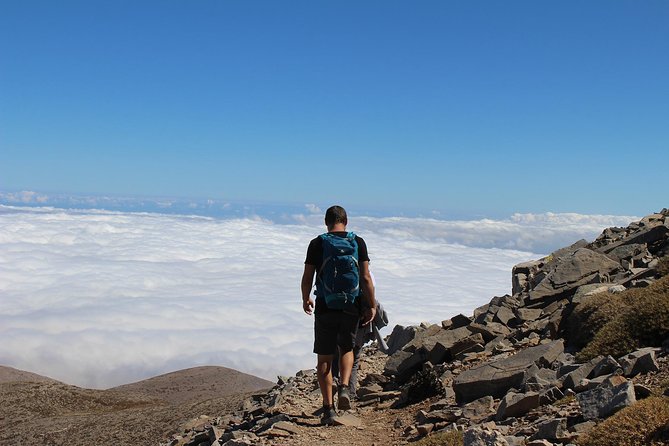
The price is $347.05 per person. That is not a bargain price, so you should think about what is included.
You are paying for:
- a guided full-day hike to Crete’s highest summit
- a small group (max 8)
- trekking poles included
- snacks during the hike, including a summit stop
- a mobile ticket
- an operator, Creta Trekking, that runs weather-dependent planning for a mountain day
When you put it that way, the value is less about the raw cost and more about reducing risk and uncertainty. Poles and snacks remove two common “I forgot something” problems. A guide and small group help with pace and safety on a steep day. And since the hike is weather sensitive, having an organized operator typically makes the logistics smoother than trying to self-plan a summit trek at elevation.
The duration is about 8 hours, which means you are not buying a short walk. You are buying time, structure, and a clear destination with a built-in turnaround. If you want a memorable day that is more than casual sightseeing, this can make sense.
Who this hike suits best (and who should choose another day)
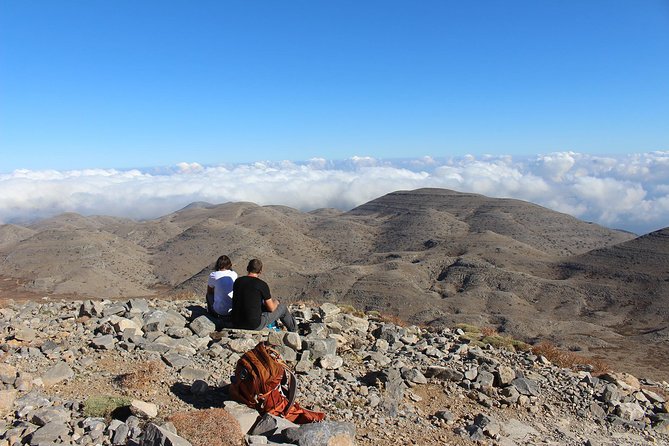
This experience is aimed at people with moderate physical fitness. It is a summit hike, so you should expect sustained uphill effort and a longer descent. One past hiker noted around 900 vertical meters up and down, describing it as more for people who are fit. Even if your exact numbers vary, that gives you a useful reality check.
This is a strong choice if you:
- enjoy guided hikes and want the help of poles and snacks
- like reaching a high point with big views
- are comfortable with 8 hours on your feet
- want a small-group feel with a professional guide, including Michaelis
It might be less ideal if you:
- struggle with steep slopes or long descents
- want a very easy walk with frequent sitting breaks
- are only looking for a short photo stop and back, because this is a full commitment
If you are unsure, think honestly about your recent hiking. If you can handle a few hours of continuous walking at home, you are closer than you think. If your fitness is more “short strolls,” you may want a gentler day first.
Practical tips so you feel good on Psiloritis
You only need a few smart choices to have a better time on this kind of mountain day.
First, come with your body ready. This is moderate fitness territory, and the descent can be the most demanding part. Use the provided trekking poles. They are there for a reason, and you will feel it the moment you start going downhill.
Second, plan for weather. The operator says the hike requires good weather, and that is not optional. If the day you booked gets adjusted due to poor conditions, take the alternative date or refund. On a high point, visibility and safety both matter.
Third, keep your pace steady early. With the summit window set around a three-hour ascent, pushing hard at the start can backfire later. Save your energy for the final stretch and then let your legs recover during the snack and view break.
Finally, don’t overpack the day. This is a guided hike with poles and snacks provided. Bring what you need, but also move light. The best summit days feel calm and focused, not like you are fighting your bag as much as the trail.
Should you book Creta Trekking’s Psiloritis hike?
Book it if you want a real summit day in Crete, with small-group guidance, included trekking poles, and snacks. The climb to 2,456 m plus the UNESCO geopark setting makes it more than just exercise. You get a meaningful destination, myth tied to the slopes, and a summit moment designed for taking in the island.
Skip it or choose a different option if you are not comfortable with a full 8-hour mountain commitment or if steep, long descents are a problem for you. Also, if you are traveling with expectations of a gentle sightseeing walk, this one will likely feel too demanding.
If you fit the moderate fitness target and you want an organized, well-led experience from Bali, this is a strong pick.
FAQ
How long is the Psiloritis hike?
The tour runs about 8 hours.
What is the hiking difficulty level?
The experience is for travelers with moderate physical fitness.
How many people are in the group?
The maximum group size is 8 travelers.
What is the summit height you reach?
You hike to Psiloritis, the highest point in Crete, at 2,456 meters.
Are trekking poles and snacks provided?
Yes. Trekking poles and snacks are included.
What happens if the weather is bad?
This hike requires good weather. If it is canceled due to poor weather, you will be offered a different date or a full refund. You can also cancel for a full refund up to 24 hours in advance.
Recently Published: Crete Tours
- Creta Private Transfer from Heraklion (HER) Airport to Stalís★ 5.0 · 1 review
- Creta Private Transfer from Heraklion (HER) Airport to Agia Pelagia★ 5.0 · 1 review
- VISIT THE MOST FAMOUS PAINTER “EL GRECO” TOUR★ 5.0 · 1 review
- Crete: Balos Beach Viewpoint and Falassrna Beach Day Trip★ 5.0 · 1 review
- Samaria Gorge from Chania with Professional Hiking Guide★ 5.0 · 1 review
- Rethymno Bali & Panormo : Quad Safari & visit Cave 57km 4hours★ 5.0 · 1 review
- Unique wine tasting of organic Cretan wines★ 5.0 · 1 review
- Hersonissos: Private Sunset Catamaran Cruise, Snack & Drinks★ 5.0 · 1 review