
Reviewed · OLIVE OIL TASTINGS
Traditional Olive Oil Making at Spiridi Olive Oil Farm – Crete
You crush olives by hand in Crete. At Spiridi Olive Oil Farm, I loved the fully hands-on stone mill and manual press, plus the end-of-workshop tasting and 100ml bottle from the family. The only catch is it is physical work, so wear grippy shoes and expect a bit of mess.
This experience runs inside a working 130-year-old olive oil factory, so you are not just watching something old on a screen. The process is led by the family team, and in the reviews I saw names like Tassos and a lot of friendly, close supervision, even for kids who wanted a turn. The group is capped at 10 travelers, which matters because you actually get time at the tools.
It lasts about 1 hour 30 minutes, starting at 10:30 am, and it is offered in English. You will still want to plan for the rest of your day because the workshop does not include food beyond drinking water.
In This Review
- Key things to look forward to
- A working olive factory beats a photo stop
- Spiridi Olive Oil Farm: traditional process, real space
- The 10:30 stone mill and wooden press workshop (what you will actually do)
- Weighing the olives
- Crushing with a stone mill
- Transferring the crushed olive paste into sacks
- Pressing the olive paste with a manual wooden press
- Olive oil tasting at the end
- What the tasting teaches you (so you can shop smarter later)
- Price and value: what you get for $78.60
- Timing, group size, and what to wear so you stay comfortable
- Who this olive oil workshop suits best
- Make a day of it: shop time and a nearby museum walk
- Should you book Spiridi Olive Oil Farm’s traditional olive workshop?
- FAQ
- How long is the Traditional Olive Oil Making workshop?
- What is the price per person?
- What does the tour include?
- What is not included?
- Is the workshop offered in English?
- How many people can be on a tour?
- Where do I meet for the activity?
- What time does it start?
- Can I cancel for a full refund?
- Are service animals allowed?
Key things to look forward to
- Stone mill crushing you control: push the mill yourself, not just stand nearby.
- Manual wooden press time: press the olive paste with the kind of equipment Cretans used for generations.
- Small group, max 10: the limit helps everyone keep moving through the steps.
- Real factory access: you get into the working 130-year-old olive oil space.
- Tasting plus a 100ml souvenir: you leave with the family’s extra virgin olive oil.
- Simple, no-food format: water is included, but you will need to eat elsewhere.
Groves that have produced oil for generations
- Crete: Quad Safari, Olive Mill with Tasting & Ghost Village
★ 4.9 · 1,004 reviews - From Chania: Olive Oil, Wine, Cheese & Honey Tasting Tour
★ 4.6 · 490 reviews - Crete: Road-trip to Lasithi, Zeus Cave & Olive Mill Farm
★ 4.4 · 451 reviews - From Chania: Wine and Olive Oil Tasting Tour with Snacks
★ 4.8 · 354 reviews - The Terra Creta Olive Oil Experience Tour
★ 4.7 · 344 reviews
A working olive factory beats a photo stop
Crete has plenty of olive oil shops and polished tours that feel like a brochure. This one is different because you do the labor. You will weigh olives, crush them, and press them into oil using traditional gear, with family members guiding your hands and pace. It is hands-on in the literal sense, not the watered-down kind where you tap a button once and call it participation.
I also like that it is not trying to be something it is not. The whole focus is olive oil, from the raw fruit stage to the tasting moment. That gives you a clear understanding of what you are buying later, especially if extra virgin olive oil is new to you.
One more practical plus: small groups. If you have ever been stuck behind a wall of people at a demonstration, you will appreciate the cap here.
Spiridi Olive Oil Farm: traditional process, real space
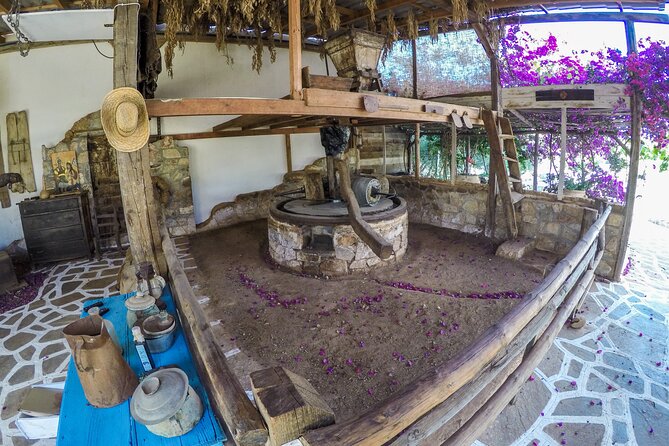
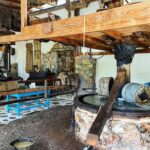
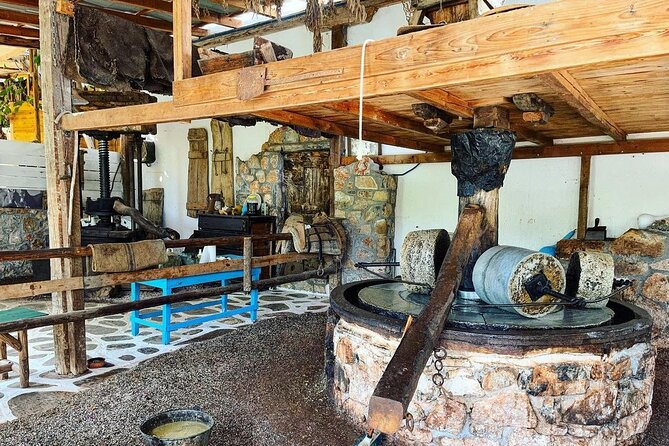
Your meeting point is Spiridi Olive Oil Farm in the Agios Nikolaos area (Ag. Nikolaos 721 00), and the experience takes place at the farm’s original olive oil factory. This factory is described as 130 years old, and it is not just a setting. You move through the space as the work happens, which makes the steps feel logical instead of like a scripted routine.
Because it is a working farm operation, you get a sense of how olive oil fits into daily life in Crete. Even if you only have 90 minutes, you are learning why olive oil production is both practical and careful. Olive oil is not just a product, it is a process where small handling choices matter.
You should also know that the site is more than olive oil. In the on-site offerings people talked about things like wine tasting and cheese making. There is also mention of an e-tour option and a shop. So if you have time before or after your olive workshop, you may be able to explore more of what the farm does, but your olive oil session itself stays focused.
The 10:30 stone mill and wooden press workshop (what you will actually do)
Your workshop is roughly 1 hour 30 minutes. The core of it is simple: you process olives using traditional tools, step by step, with help whenever you need it.
Here is the flow you can expect:
Weighing the olives
You start with the basics: you get the olives, you weigh them, and you learn how the process begins with the raw fruit. This might sound boring if you have zero interest in production, but it gives you a sense of scale. You start to think like a producer, not like a consumer.
Crushing with a stone mill
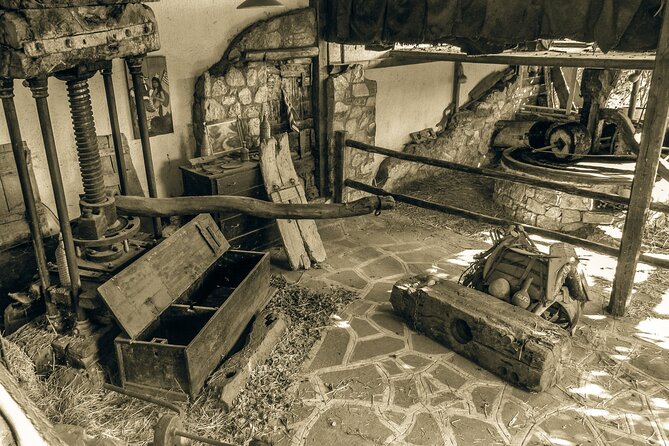
Next comes the part most people remember. You crush olives by pushing a stone mill yourself. This is traditional grinding, where the goal is to break down the olives into a rough paste. Expect effort here. The motion is not complicated, but it is physical, and it helps if you already know you are okay getting your hands and clothes a little messy.
This is also where the small group size pays off. When there are fewer people, you can actually take a turn at the mill and see what changes as the olives transform.
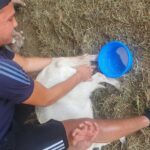
Meet the goats behind the cheese
Transferring the crushed olive paste into sacks
After crushing, you transfer the paste into large sacks. This step matters because it sets you up for pressing. You will see how the paste is handled to keep the process organized and manageable.
Pressing the olive paste with a manual wooden press
Then you press the olive paste into oil using a manual wooden press. This is the slow, hands-on stage where supervision is really helpful. You are learning how pressure and timing affect the flow.
It is also the moment where the experience stops feeling like a lesson and starts feeling like doing. If you like practical tasks, you will probably find yourself fully engaged. If you are not great with physical activity, just pace yourself and listen to the guidance.
Olive oil tasting at the end
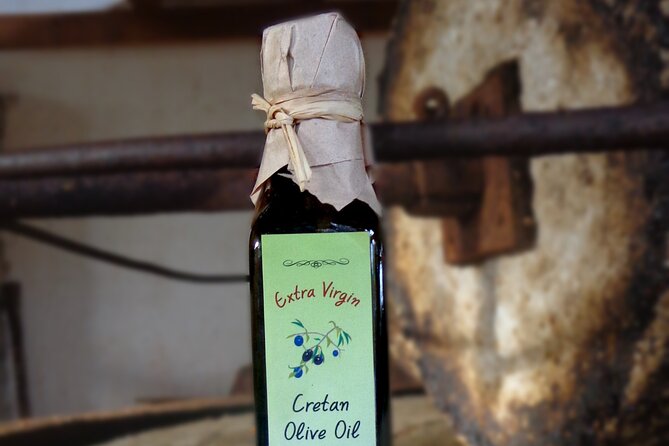
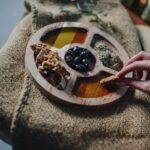
You finish with an olive oil tasting. Taste is where the workshop becomes more than technique. It helps you connect the result to the process you just did. You also get a souvenir right after, a 100ml bottle of the family’s extra virgin handmade olive oil.
What the tasting teaches you (so you can shop smarter later)
You might think tasting olive oil is just about whether you like it. It is, but it is also about learning how olive oil should feel and smell when it is fresh and well made.
By tasting at the end of the workshop, you get a real reference point. You can connect the oil in your glass to what you crushed and pressed moments earlier. That makes it easier to understand labels later, especially extra virgin claims that can feel confusing.
Also, because you are receiving a 100ml bottle as part of the experience, you leave with something concrete you can compare against other olive oils later. If you end up buying more, you have a baseline at home.
One practical note: since the workshop includes only water (no other drinks or food), you may want to have an appetite plan for afterwards. If you are sensitive to strong tastes, drink water and take your time with the tasting.
Price and value: what you get for $78.60
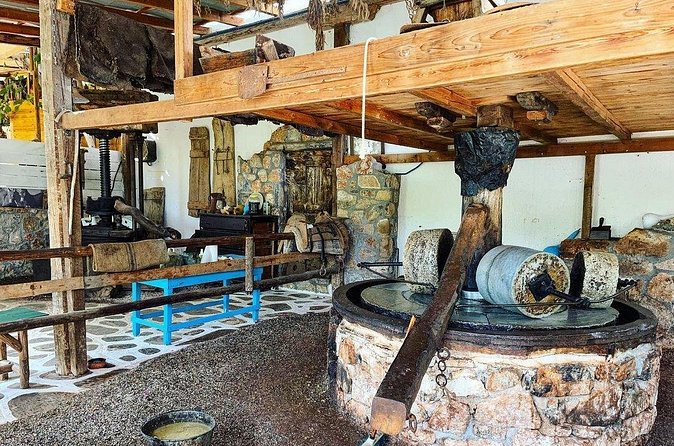
At $78.60 per person, this is not a bargain the way a quick stop at an olive shop is. But it also is not trying to be. You are paying for a guided, hands-on production workshop inside an original 130-year-old factory.
What supports the value:
- You use traditional tools, not just watch them.
- You get guidance through the steps, which reduces wasted time and makes the experience smoother.
- You get a 100ml bottle as a souvenir.
- You get olive oil tasting at the end.
- The group is capped at 10 travelers, which keeps the experience personal.
The biggest value piece for me is participation. If you enjoy doing things, the price starts to make sense quickly because you are not paying for an auditorium style demo. You are paying to press and crush and learn.
The only true cost consideration is that it does not include a meal. So if you are doing this during a long day of sightseeing, budget for lunch or snacks separately.
Timing, group size, and what to wear so you stay comfortable
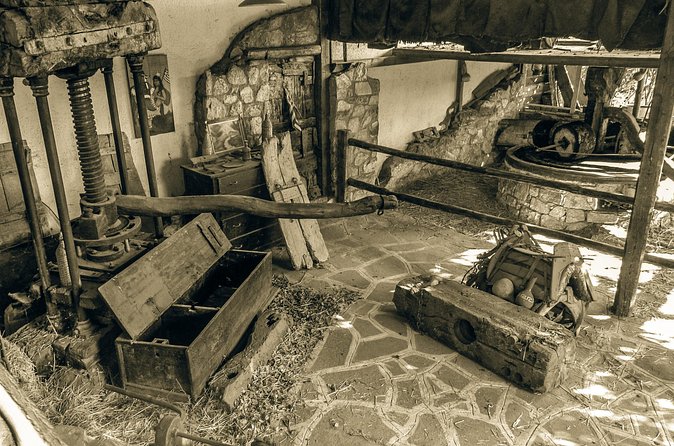
The workshop starts at 10:30 am and runs about 1 hour 30 minutes. That is a solid block in your morning, especially if you want an activity that is active but not all-day.
The maximum group size is 10 travelers. That is a key detail. It means you should expect more attention from the family and more time at the stone mill and press. In other words, you are less likely to feel like you are waiting your turn the whole time.
What to wear:
- Closed-toe, grippy shoes. Expect a working environment.
- Clothes you do not mind getting a little stained. Even if the mess is controlled, olive oil processing can get messy.
- A willingness to use your arms and hands. The crushing and pressing are hands-on tasks.
Language: it is offered in English, and the process is guided, so you are not stuck figuring out what to do alone.
Who this olive oil workshop suits best
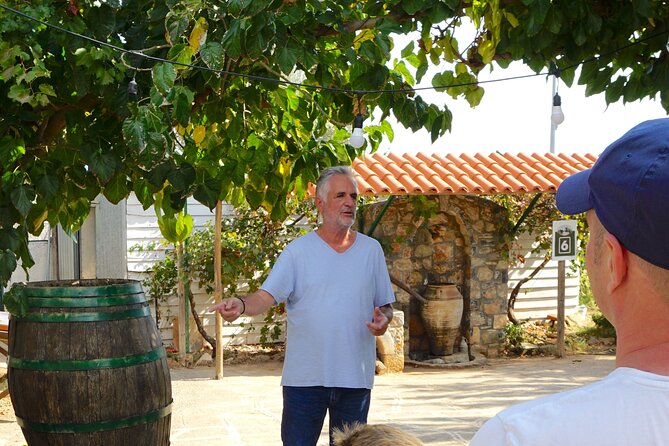
This is a great fit for people who like food culture in a practical way. If you enjoy seeing how something is made, you will probably feel satisfied by the whole arc: olives in, oil out, then tasting.
It also suits groups and families. In the feedback I saw, children were given a chance to participate, which says a lot about the way the workshop is run. If you are traveling with mixed ages, that can be a relief because you want everyone to feel included.
It may not be the best fit if:
- You want a mostly passive experience.
- You are short on time and cannot do a physical, hands-on activity.
- You need a meal included. This one gives you water, not lunch.
Make a day of it: shop time and a nearby museum walk
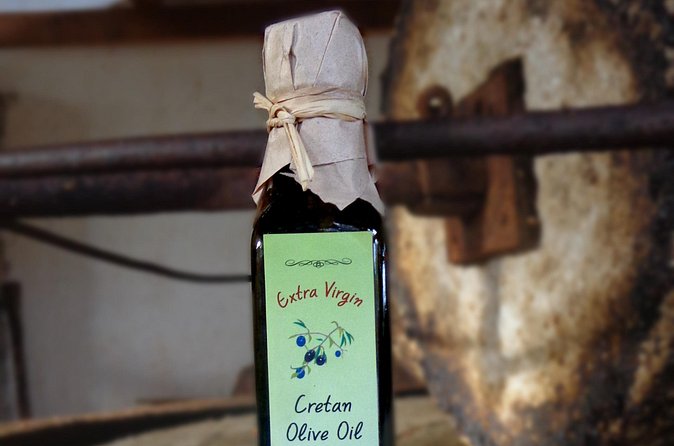
The farm has a shop, and you can also taste and purchase items there. That is useful because your olive oil souvenir is 100ml, which is great for bringing home, but you may want more if you fall in love with the flavor. Since the workshop ends with tasting, you will likely have a better sense of what to buy.
One more idea if your schedule allows: after the workshop, you might consider a short walk downhill toward town, with the archaeological museum as a nearby point of interest. This is the kind of add-on that works well when you have a strong morning activity and you want your afternoon to be flexible.
If you want even more farm experiences, the site offers more than olive oil. People talked about additional activities like wine tasting, cheese making, and cooking. Whether you add them depends on your interests and the time you have, but the fact that multiple food traditions are on one property is convenient.
Should you book Spiridi Olive Oil Farm’s traditional olive workshop?
I would book it if you want an authentic, hands-on food experience with real tools and real guidance. The combination of a 130-year-old factory, small group size, and you doing the crushing and pressing makes it more memorable than a typical tasting tour.
Skip it if you want something cushy or fully hands-off. This workshop has physical steps, and it is designed for participation. Also, plan food separately, because only water is included.
If you are the type of traveler who comes home wanting to cook, drizzle, and compare flavors, you will appreciate the tasting and the included 100ml bottle.
FAQ
How long is the Traditional Olive Oil Making workshop?
It lasts about 1 hour 30 minutes.
What is the price per person?
The price is $78.60 per person.
What does the tour include?
You get a hands-on olive oil production workshop with help using the stone mill and manual press, access to the 130-year-old olive oil factory, olive oil tasting, drinking water, and a 100ml bottle of extra virgin handmade olive oil.
What is not included?
Food and drinks are not included other than drinking water.
Is the workshop offered in English?
Yes, it is offered in English.
How many people can be on a tour?
The workshop has a maximum of 10 travelers.
Where do I meet for the activity?
The meeting point is Spiridi Olive Oil Farm, Cretan Olive Oil Farm, Ag. Nikolaos 721 00, Greece.
What time does it start?
The start time is 10:30 am.
Can I cancel for a full refund?
Yes. You can cancel up to 24 hours in advance for a full refund.
Are service animals allowed?
Yes, service animals are allowed.
Recently Published: Crete Tours
- Creta Private Transfer from Heraklion (HER) Airport to Agia Pelagia★ 5.0 · 1 review
- Creta Private Transfer from Heraklion (HER) Airport to Stalís★ 5.0 · 1 review
- VISIT THE MOST FAMOUS PAINTER “EL GRECO” TOUR★ 5.0 · 1 review
- Crete: Balos Beach Viewpoint and Falassrna Beach Day Trip★ 5.0 · 1 review
- Samaria Gorge from Chania with Professional Hiking Guide★ 5.0 · 1 review
- Rethymno Bali & Panormo : Quad Safari & visit Cave 57km 4hours★ 5.0 · 1 review
- Unique wine tasting of organic Cretan wines★ 5.0 · 1 review
- Private Van Tour from Chania to Monasteries★ 5.0 · 1 review
Olive Oil Tastings, compared.
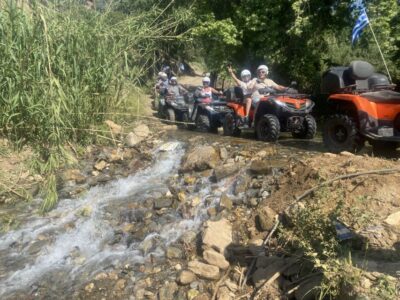
Quad Safari, Olive Mill with Tasting & Ghost Village
Read our review →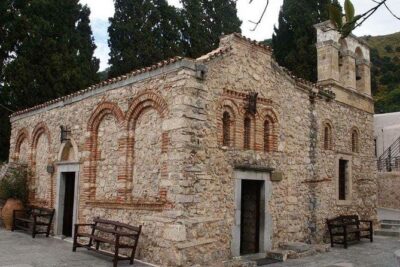
Knossos-Zeus Cave -Old Traditional Villages-Olive Oil Factory
Read our review →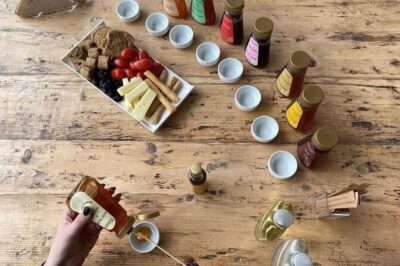

Road-trip to Lasithi, Zeus Cave & Olive Mill Farm
Read our review →
Lassithi, Zeus Cave, Olive Mill Farm & Knossos Combo Tour
Read our review →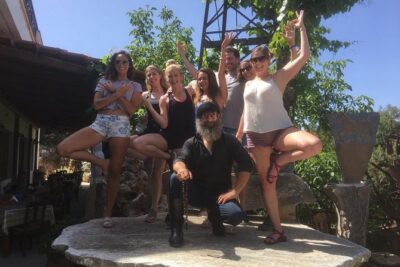
Zeus Cave, Lassithi Plateau, Olive Oil Factory, Kritza, Pottery
Read our review →
Browse the lists this tour appears in