
Reviewed · SCUBA DIVING
Try Scuba in Crete – Free Certification & Photos (Beginners)
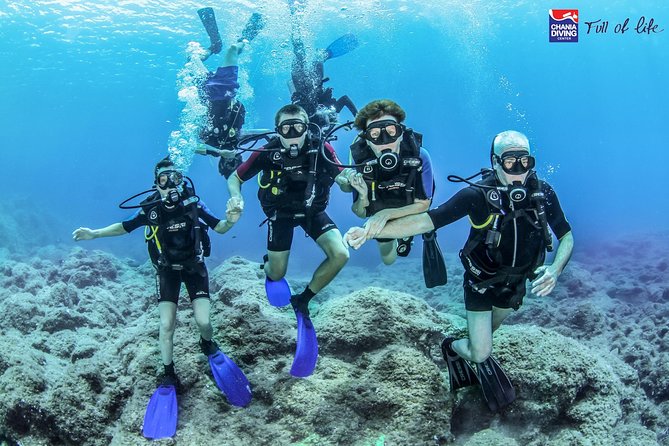
Your first breaths underwater start in Chania. This Try Scuba experience is built for total beginners, with an SSI recognition card and free underwater photos included.
I really like the small-group feel and the steady attention from instructors, so you are not guessing while gear and procedures feel new. I also appreciate the snacks and all the essentials that remove planning stress. One consideration: it is not recommended if you do not know how to swim, and some people still get nerves at first.
In This Review
- Key things I’d circle before you book
- Try Scuba in Chania: What You’re Really Signing Up For
- Before You Go In: Briefing, Gear, and What the Instructors Actually Teach
- Your First Underwater Skills Session at About 10 Meters
- Free Underwater Photos and the SSI Recognition Card
- Snacks, Transport, and How the 3-Hour Schedule Fits Your Day
- Price and Value: What You Pay for, and What You Still Need to Bring
- Where You’ll Go, Depth Limits, and What to Expect in the Water
- Who This Works Best For, and Who Should Rethink It
- Should You Book This Try Scuba Session in Crete?
- FAQ
- How deep will I go on my first underwater session?
- Do I need any prior scuba experience or certification?
- Are free underwater photos included?
- What is the group size?
- Is pickup available from my hotel?
- Do they offer transfers from all parts of Crete?
- What should I bring?
- What if I have a health condition?
Key things I’d circle before you book
- Small group of up to 15 people, so you get actual coaching, not a crowd show.
- A first underwater goal around 10 meters (about 32 feet), in a calm training area.
- Free underwater photo set plus an official SSI Try Scuba recognition card.
- Snacks included, plus air-conditioned transport as part of the package.
- Clear safety focus, with instructors staying right beside you during skills.
Wrecks and reefs below the surface
- Heraklion: Scuba Diving Experience for Beginners _Beach
★ 4.7 · 549 reviews - Heraklion: Beginner Scuba Diving Lesson with PADI Instructor
★ 4.9 · 355 reviews - Heraklion: Scuba Diving Experience for First-Timers
★ 4.8 · 203 reviews - Chania: Scuba Diving for Beginners
★ 4.7 · 196 reviews - Chania: Scuba Diving for Beginners
★ 5.0 · 103 reviews
Try Scuba in Chania: What You’re Really Signing Up For
If you have ever stood at a beach thinking, I wonder what this would feel like, this is a smart first step. It is not a casual snorkel-only outing. It is a real beginner program that teaches the basics of scuba, while keeping the experience controlled and beginner-safe.
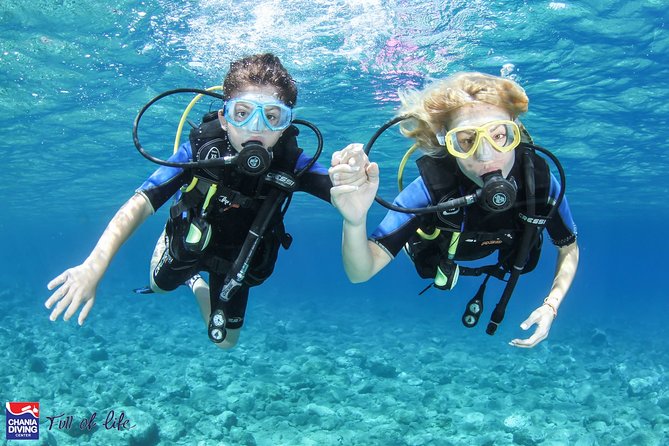
The center focuses on a relaxed start: briefing first, then gear fitting, then coached time in the water. The goal is to help you get comfortable with breathing underwater, equalizing, and following simple safety signals, all before you wander around on your own (with an instructor nearby).
Two things make this program especially appealing for first-timers. First, you get personal attention in a small group, which matters when your brain is trying to learn new hand signals and manage buoyancy at the same time. Second, you leave with something tangible, the SSI Try Scuba recognition card, plus the photo package.
A quick heads-up: you are getting Try Scuba, not a full scuba certification. If you want the full credential, you would still need the longer training pathway. Think of this as your confidence-builder and first checkmark toward the sport.
Before You Go In: Briefing, Gear, and What the Instructors Actually Teach
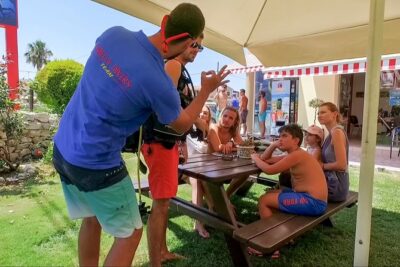
Your morning starts with a simple plan and clear instructions. You will begin with a briefing that covers what you need to know before entering the water. Expect safety rules, how to handle your equipment, and what to do if something feels off.
Then comes gear. You are using scuba equipment provided by the program, so you are not hunting for rentals or worrying if the sizing is wrong. That part sounds boring until you realize how important fit is. When the straps are right, you spend less time fighting your own gear and more time learning the basics.
In the best beginner experiences, the instructor talks in a calm way and repeats the key steps until your brain stops panicking. One instructor named Dimitri is mentioned for giving very clear safety instructions during the briefing. That style shows up again and again in the way the program is described: patient, practical, and focused on the few skills that matter most for a first underwater session.
If you get nervous easily, consider this a feature, not a bug. A couple of people felt some panic jitters at the start, which is normal when you are new to breathing underwater. The good part is that the instruction is built to guide you through the uncomfortable parts, step by step.
Your First Underwater Skills Session at About 10 Meters
Now for the main event. After brief prep, you head to the sea with a professional instructor at your side at all times.
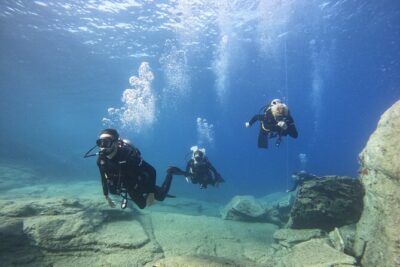
The training takes place in a calm, safe area, with a maximum depth of about 9 to 10 meters (around 32 feet) for the beginner work. This depth is deep enough to make it real, but shallow enough that you can practice without feeling like you are descending into the unknown.
You should also know what the first water entry feels like. One detailed account described gearing up and then doing a backward entry off the boat, with help from the instructor as you settle into the process. The point is not to make it dramatic. The point is to get you comfortable with controlled entry and getting stabilized quickly.
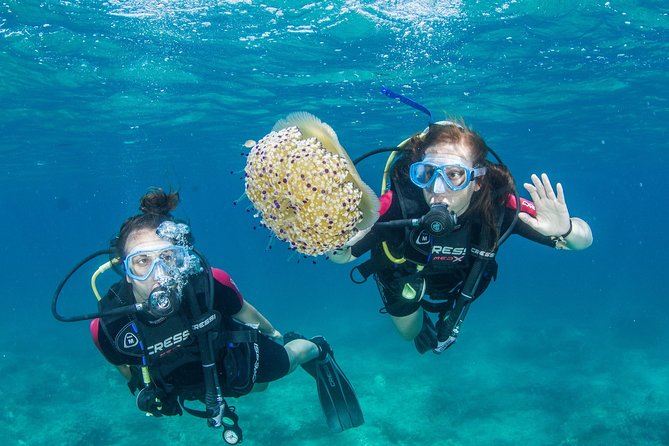
Once you are at the training area, you will do skills first. Usually that means short practice exercises aimed at the essentials, like breathing control and basic buoyancy, before you move on to exploring what is under the surface. Expect the instructor to stay right with you during these steps. In multiple accounts, people described instructors literally holding their hand or staying extremely close during the early moments.
How long is this first underwater stretch? One account put the underwater portion at about half an hour, which feels like the sweet spot for a beginner taste. You get enough time to learn what it feels like, without frying your brain or draining your energy.
After the skills session, you can also get extra time in the water for snorkeling, so the overall water time stays fun even if you are slower to warm up underwater.
Free Underwater Photos and the SSI Recognition Card
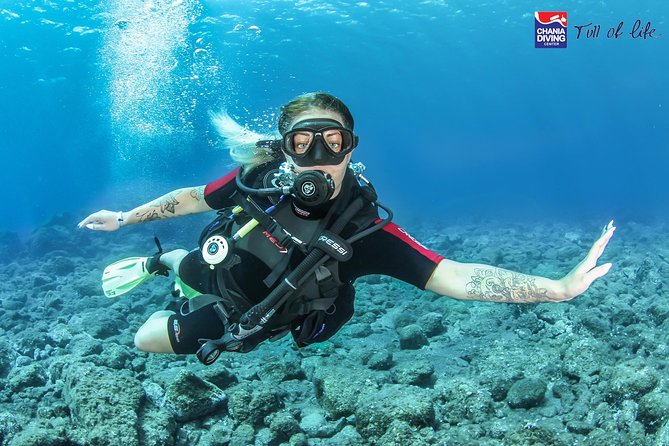
This program is a rare combo: real training time plus a souvenir package.
You get free underwater photos of your experience. That is a big deal for beginners because you are busy learning, not framing a shot. When the moment happens, your hands are on equipment. So having photos handled for you is not just a nice add-on, it is the best way to actually remember the experience.
You also receive an official SSI Try Scuba recognition card. It is not the same as full certification, but it is a credible proof that you completed a structured first program. For many people, that card matters psychologically: it turns the idea into something you completed.
In one example, Giannis is mentioned as the person taking photos. In another, Joana is named as an instructor for a family group. Those names are helpful because they underline how hands-on the teaching is, not a faceless assembly line.
If your main goal is learning, photos can feel like a distraction. Here, they feel integrated. The photos happen while you are doing what you came to do, not in a separate performance you have to prepare for.
Snacks, Transport, and How the 3-Hour Schedule Fits Your Day
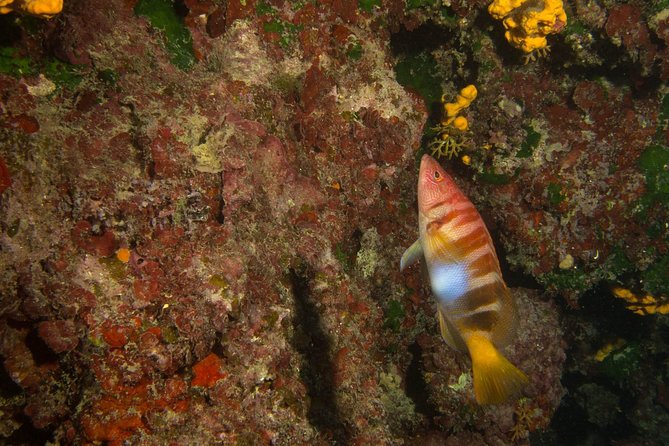
The total experience runs about 3 hours. In practice, that means you can plan a morning or early afternoon without losing the entire day.
Transport is part of the package. You have an air-conditioned vehicle and pickup is offered. After booking, you share your exact accommodation location, and pickup is arranged directly from your hotel, villa, or house.
The meeting point is Agiou Onoufriou 10b, Kounoupidiana 731 00, Greece, and the activity ends back at the same meeting point. If you are staying elsewhere, the pickup option is the key detail to confirm, especially because transfers are not offered from certain towns.
One practical detail: it is near public transportation, so if you are already in the Chania area and want an easy start, you are not trapped needing a private car. Still, pickup is the simplest choice for most people.
The included snacks matter more than you think. A first scuba session uses adrenaline and physical effort, even when you are not trying to be athletic. Having snacks built in helps you avoid that post-water slump, especially if you are headed to lunch afterward.
Not ready to stop exploring Crete? Try one of these.



Price and Value: What You Pay for, and What You Still Need to Bring
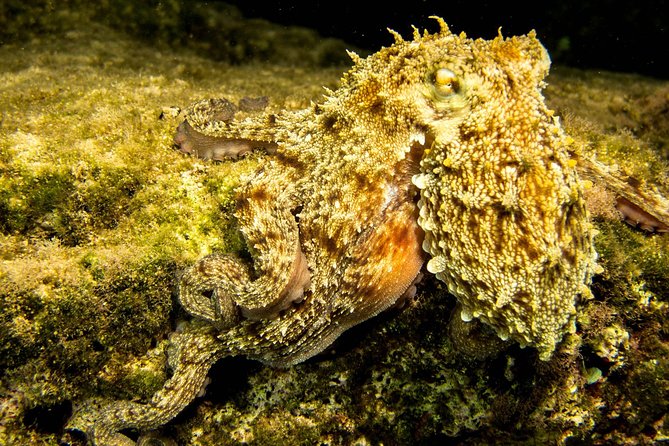
The price listed is $144.18 per person. For a beginner scuba program, the value is in what is included, not in cutting corners.
Here is what your ticket covers:
- Air-conditioned vehicle
- Snacks
- Use of scuba equipment
- All fees and taxes
- Diving insurance
Then there is what you need to bring yourself:
- Swim suit (not included)
- Towels (not included)
- Alcoholic beverages (not included)
For me, the big value signals are the equipment and insurance. Good equipment fit helps you learn faster, and having diving insurance bundled reduces uncertainty. The snacks and transport also reduce planning friction.
One more value point: the free underwater photos. Many activities charge extra for photos, and beginners are usually happiest when they do not have to worry about capturing anything. If you are on a short Crete trip, souvenirs that are easy to get are worth paying for.
If you are cost-conscious, do not think of this as cheap scuba. Think of it as a priced safety-and-instruction package, with a photo memory included.
Where You’ll Go, Depth Limits, and What to Expect in the Water
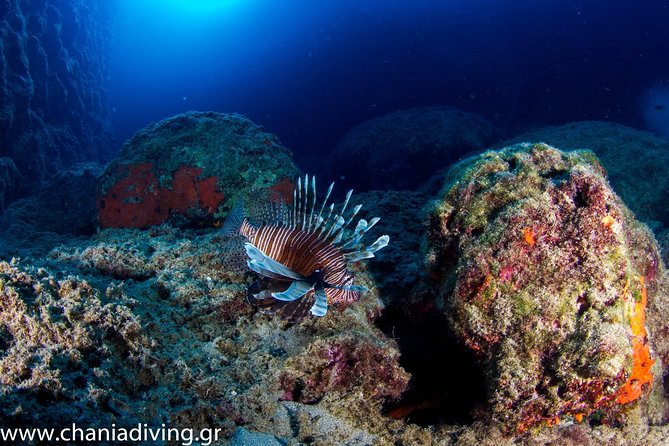
The experience takes place in Crete, with the underwater portion in a calm setting meant for first-timers. You are guided by certified professionals, and instructors are always close during the skills and early practice.
Depth is limited for safety and comfort: maximum depth is 9 to 10 meters, around 32 feet on the first underwater session. You are not sent to the kind of depths where buoyancy mistakes become scary quickly. Instead, you practice core control where your brain can keep up.
Water conditions can affect comfort. One account described clear and warm water in early October. That is seasonal, not guaranteed. Still, this is the kind of program where better visibility simply makes the learning more pleasant.
Also, you should plan your mindset. This is described as a real experience, not a platform-only novelty. You will gear up, enter the water properly, learn the safety skills, and then explore underwater with guidance.
That realism is what makes it worth it. It feels authentic, and it also explains why a few people feel anxious at first. If you go in expecting it to feel like a gentle game, you might be surprised. If you go in expecting coaching and a steady start, you will feel great.
Who This Works Best For, and Who Should Rethink It
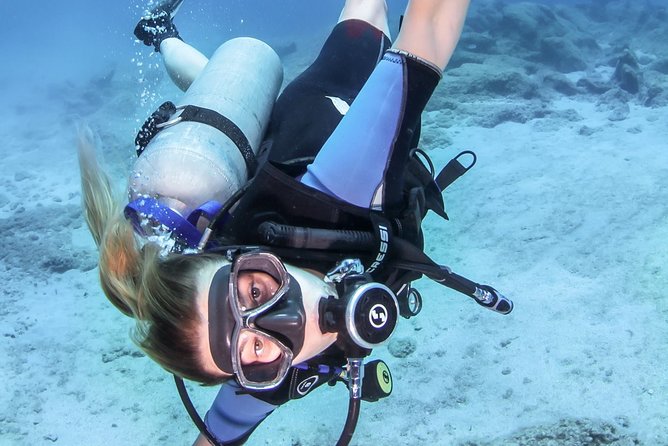
This is for beginners, including people who have never done scuba before. Most travelers can participate, but you need to be realistic about swim ability and health.
Not recommended if you do not know how to swim. That does not mean you need to be a lifeguard. One account said you do not need to be a good swimmer, just comfortable in the water. So if you can float and you can handle basic comfort in open water, you are probably in the right zone.
If you have any health issue, tell the team ahead of time. In some cases, you may need a doctor’s confirmation. That is not there to scare you. It is about keeping everyone safe in a sport with specific physical demands.
Families can do well here because the instruction is small-group and ratio-based. One family described the instructor ratio as perfect for a group of three, and their child was able to scuba for the first time confidently.
If you want an easy day with zero uncertainty, this might still feel a bit intense at first. But it is beginner-safe, coached, and structured.
Should You Book This Try Scuba Session in Crete?
I think you should book it if you want your first underwater experience to feel real but controlled. The combination of small-group instruction, a guided skills plan at about 10 meters, and free underwater photos makes this a strong beginner value.
Skip it or rethink it if you cannot swim, or if open-water breathing underwater sounds like a stress you cannot manage. Also, if you have health considerations, give the team time to review what they need.
If you are hovering between snorkeling and scuba, this is a smart compromise step. You get training, coaching, and the chance to see what it feels like to breathe underwater, without committing to the full certification track in one go.
FAQ
How deep will I go on my first underwater session?
The beginner session is designed for a maximum depth of 9 to 10 meters, which is about 32 feet. You do skills in a calm, safe area before any additional exploring.
Do I need any prior scuba experience or certification?
No. This is a Try Scuba program for beginners, and you can participate without previous dive experience. You receive an official SSI Try Scuba recognition card.
Are free underwater photos included?
Yes. Free underwater photos are included as part of the experience.
What is the group size?
The maximum group size is 15 travelers.
Is pickup available from my hotel?
Pickup is offered. You share your exact accommodation location after booking, and they pick you up directly from your hotel, villa, or house. The meeting point address is Agiou Onoufriou 10b, Kounoupidiana 731 00, Greece.
Do they offer transfers from all parts of Crete?
No. Transfers are not offered from Rethymno, Georgioupolis, Heraklion, Elounda, or Agios Nikolaos.
What should I bring?
Bring your swim suit. Towels are not included, and alcoholic beverages are not included.
What if I have a health condition?
You should let them know about any health issue in advance. In some cases, doctor confirmation may be needed.
Recently Published: Crete Tours
- Creta Private Transfer from Heraklion (HER) Airport to Agia Pelagia★ 5.0 · 1 review
- Creta Private Transfer from Heraklion (HER) Airport to Stalís★ 5.0 · 1 review
- VISIT THE MOST FAMOUS PAINTER “EL GRECO” TOUR★ 5.0 · 1 review
- Crete: Balos Beach Viewpoint and Falassrna Beach Day Trip★ 5.0 · 1 review
- Samaria Gorge from Chania with Professional Hiking Guide★ 5.0 · 1 review
- Rethymno Bali & Panormo : Quad Safari & visit Cave 57km 4hours★ 5.0 · 1 review
- Unique wine tasting of organic Cretan wines★ 5.0 · 1 review
- Hersonissos: Private Sunset Catamaran Cruise, Snack & Drinks★ 5.0 · 1 review
Scuba Diving, compared.
Beginner Scuba Diving Lesson with PADI Instructor
Read our review →
Chania: Snorkeling & Scuba Dive for Beginners by Boat
Read our review →
Browse the lists this tour appears in