
Reviewed · HISTORICAL TOURS
Battle of Crete 4 Day Private WW2 War History Tour
Some battles feel distant. This one feels close.
This private 4-day WWII tour in Crete takes you through front lines, cemeteries, and evacuation sites while a history- and archaeology-trained guide ties it all together in clear, human terms. I really like the tour’s focus on abandoned and unknown bunkers and hideouts, plus the way you see the places tied to reprisals, not just the fighting.
Two things I especially like: first, you get unusual access to rare documents and photographs while you stand in the exact terrain where they mattered. Second, the itinerary doesn’t just name locations, it follows the logic of the battle, from the Chania and Maleme sector to the evacuation move along the south coast.
One consideration: this is a heavy, somber theme tour. You will spend time at memorials and in villages marked by destruction and killing tied to reprisals and retaliations.
In This Review
- Key highlights that make this tour worth your time
- What a Battle of Crete tour should feel like, and why this one does
- Entering the Chania and Maleme battlefield: lookouts, cemeteries, and prison valley
- Rethymnon and the memorial circuit: ANZAC remembrance and the evacuation logic toward Alexandria
- Chania’s private war museum and the South Coast evacuation port
- Villages destroyed after the battle: reprisals, partisans, and why remembrance matters
- Price and value: what you pay for in a private historian-led route
- The small practical stuff that changes your day
- Who should book this and who might prefer something else
- Should you book the Battle of Crete 4-Day Private WW2 War History Tour?
- FAQ
- How long is the Battle of Crete 4 Day Private WW2 War History Tour?
- What languages does the live guide use?
- Is the tour private?
- Is hotel pickup and drop-off included in Chania central areas?
- What is included in the price?
- What is not included?
- What are the cancellation and payment options?
Key highlights that make this tour worth your time
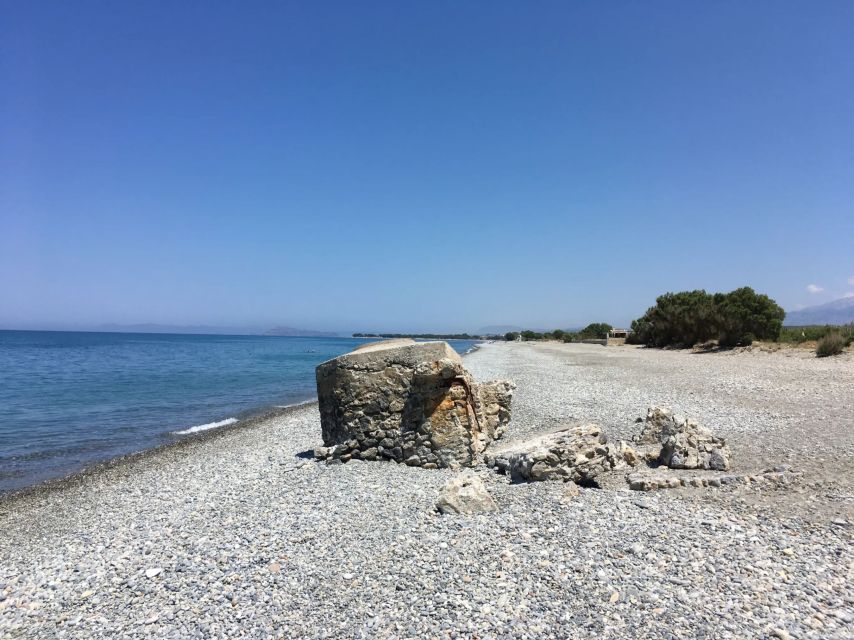
- Bunkers you can actually visit, including abandoned German and allied-linked sites, plus lookouts and a bunker in a secret location
- Battlefield-to-battlefield storytelling, with the guide explaining strategy and outcomes as you walk the ground
- Commonwealth, ANZAC, and German remembrance, including war memorials and war cemeteries
- Evacuation focus, including Allied troop evacuation spots after the retreat order and stops on the route toward Alexandria
- Reprisal villages and partisans, with visits to places destroyed after the battle and context on resistance
- A rare private war museum stop in Chania, with a curator walking you through finds and equipment
Plenty else to see around Crete
- Heraklion: Zeus Cave & Knossos History, Villages & Olive Oil
★ 4.9 · 89 reviews - Heraklion Highlights: Knossos, Museum & Historic City Drive
★ 5.0 · 64 reviews - Knossos and Wine A Journey Through History and Flavors
★ 5.0 · 11 reviews - Half-Day Private Tour of Chania: Explore History Culture & Beauty
★ 5.0 · 5 reviews - Food Odyssey, A Historical Culinary Tour of Chania
★ 5.0 · 3 reviews
What a Battle of Crete tour should feel like, and why this one does
If you want a Battle of Crete experience that is more than a bus ride with photos, this is built for that. The tour is private, with a historian guide, plus a smaller set of stops that you actually time to notice details. Instead of skimming the story, you walk the ground where the battle unfolded and you hear why it unfolded that way.
I like that the guide has both academic training and practical specialization in contemporary history and the Battle of Crete. That matters when you want accuracy, but also when you want the story to connect to what you are seeing right now. You get to feel how rugged the terrain is and how hiding places, lookouts, and bunker positions change what commanders could do.
There is also a thoughtful balance in where the tour places its emphasis. It does not only follow military movement. It also covers the cost paid by Cretan villages during reprisals and retaliations, and it includes remembrance for the British Commonwealth Allies and ANZacs. You leave with a clearer picture of the full arc, from battle to retreat to the aftermath on the island.
Entering the Chania and Maleme battlefield: lookouts, cemeteries, and prison valley
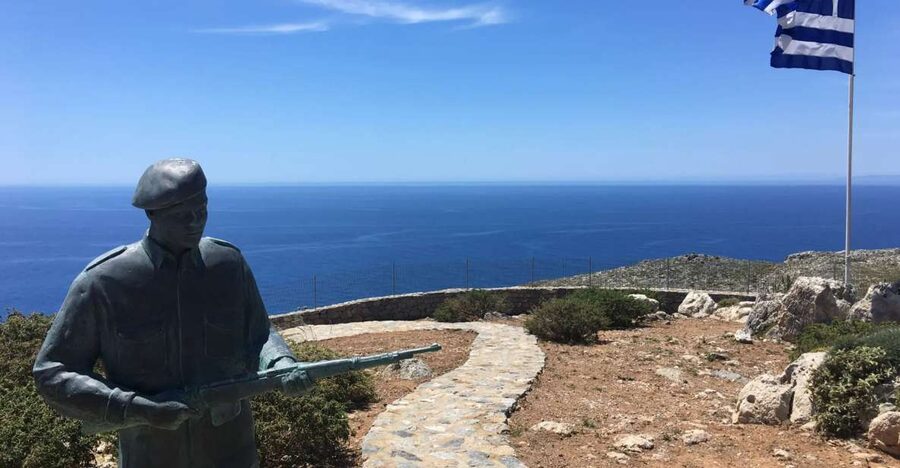
Day one is all about the Chania and Maleme sector, the crucial battlefront described in the tour. This is where you start getting the battle’s scale into your body, not just your brain. You begin with visits to three abandoned lookouts and one German bunker located in a secret spot. Standing in and around these sites gives you a quick sense of why visibility, cover, and terrain mattered so much.
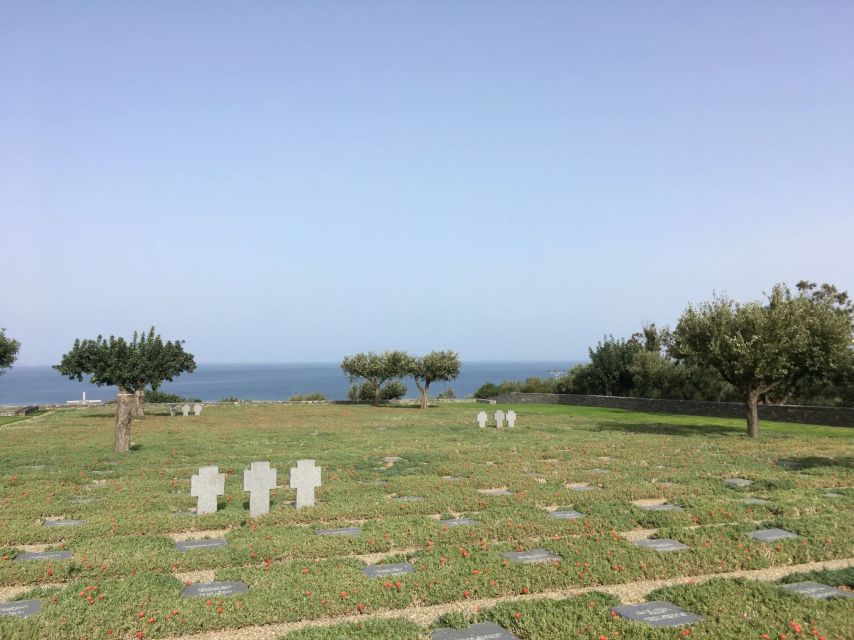
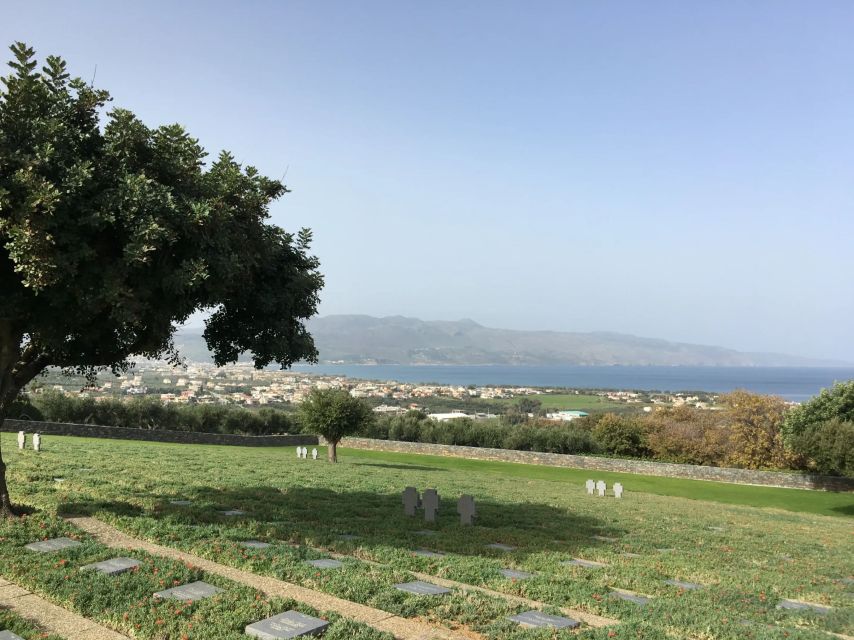
The cemetery stops help you slow down. You visit the British Commonwealth War cemetery and the German War cemetery, which changes the tone in a good way. It’s not just “places of interest.” It is remembrance in real, quiet space, and it anchors what you are learning in the human cost.
You also stop at a place called prison valley. Even if you are new to the topic, the guide’s framing is meant to help you understand why that kind of location would become part of the battle story. The goal is not to sensationalize. It’s to connect geography to what happened there.
Day one ends at an abandoned German facility. That is where the tour leans into resistance of Cretans, supported by rare war photographs. If you like history that includes civilians and local networks, not just uniforms, this ending is a strong payoff.
Practical tip: plan for a lot of walking and standing. This is “look closely” history, not “sit and watch” history.
Rethymnon and the memorial circuit: ANZAC remembrance and the evacuation logic toward Alexandria
Day two shifts focus to Retimo, today known as Rethymnon. The route keeps a battlefield feel, with crucial points near the town of Rethymnon. The guide helps you read the terrain in terms of what was at stake during the battle, and how those choices fed into what came next.
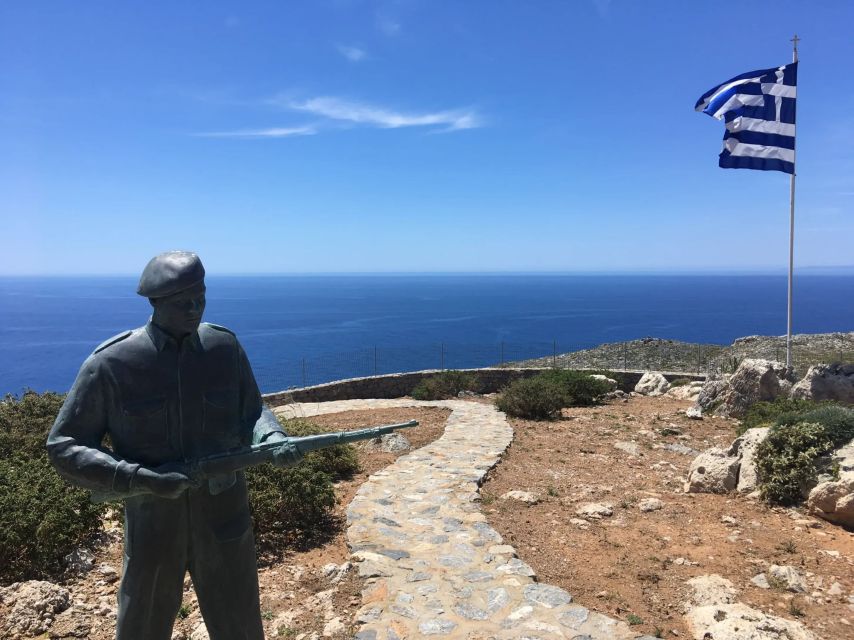
Then the tour adds an intentional remembrance stop. You visit Australian and New Zealand War Memorials in Crete to pay respects to fallen soldiers. It’s a clean change of pace that still fits the theme. You are not just touring graves. You are connecting the battle’s outcome to who didn’t make it back.
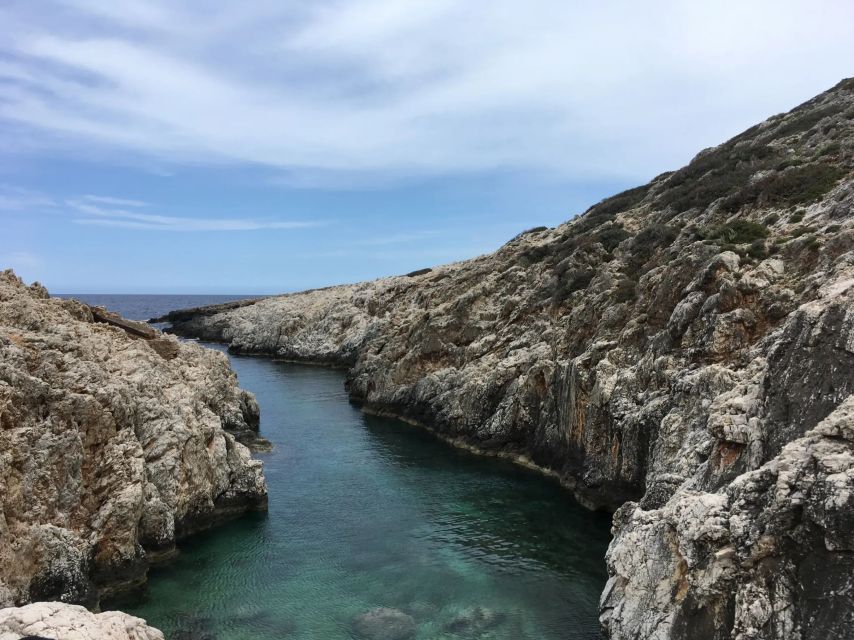
After that, you head inland and down to the southern parts of the island. This day includes an evacuation story you will not forget: you follow the troops on their evacuation of the south coast in late May 1941 on their way to Alexandria. That phrasing matters, because the tour is designed around the “after the order to retreat” phase, not only the early battle.
You also get time to enjoy the scenery. The tour provides free time to stroll in picturesque parts of Crete while the guide keeps steering you back to the crucial incidents tied to the evacuation of the troops. It’s a good rhythm: learn, walk, then breathe.
Consideration: this day has a lot of moving parts, battlefield points plus memorials plus an evacuation route. If you prefer very relaxed itineraries, you may want to mentally prepare for a full day of history with driving between sites.
Chania’s private war museum and the South Coast evacuation port
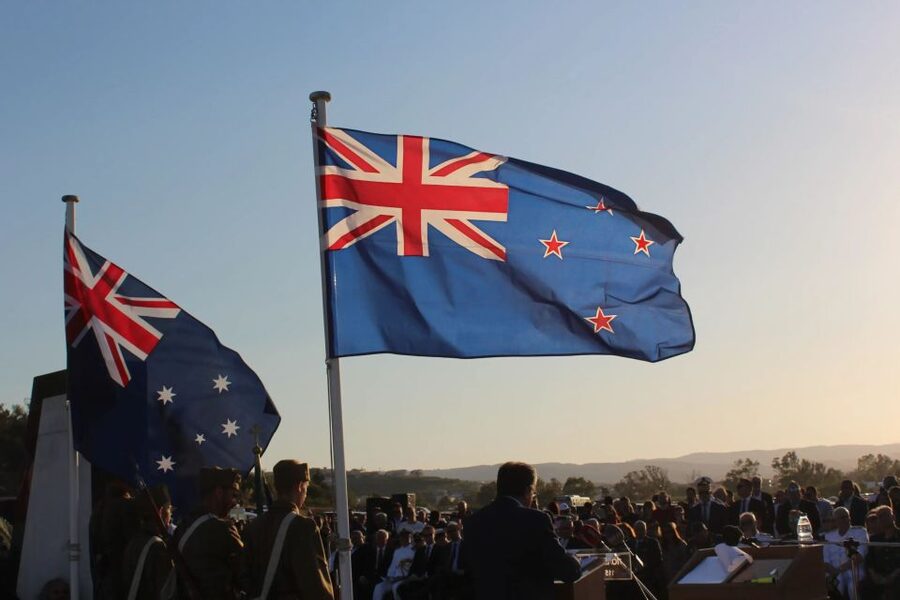
On day three, the guide turns to the difficulties and the strategic mistakes that led to retreat and the evacuation to Egypt. This is where you start understanding that battles are not just “good guys and bad guys.” They are also timing, logistics, and decisions made under pressure.
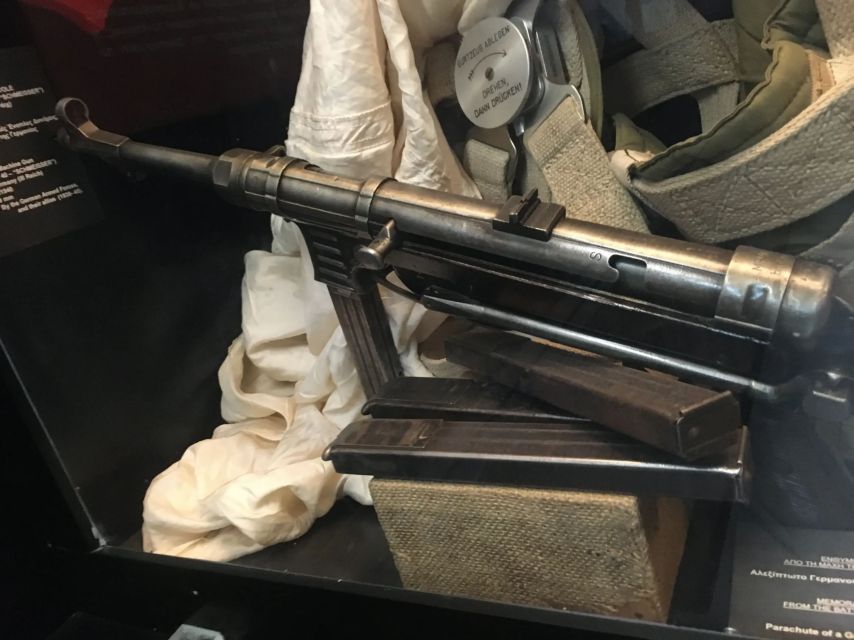
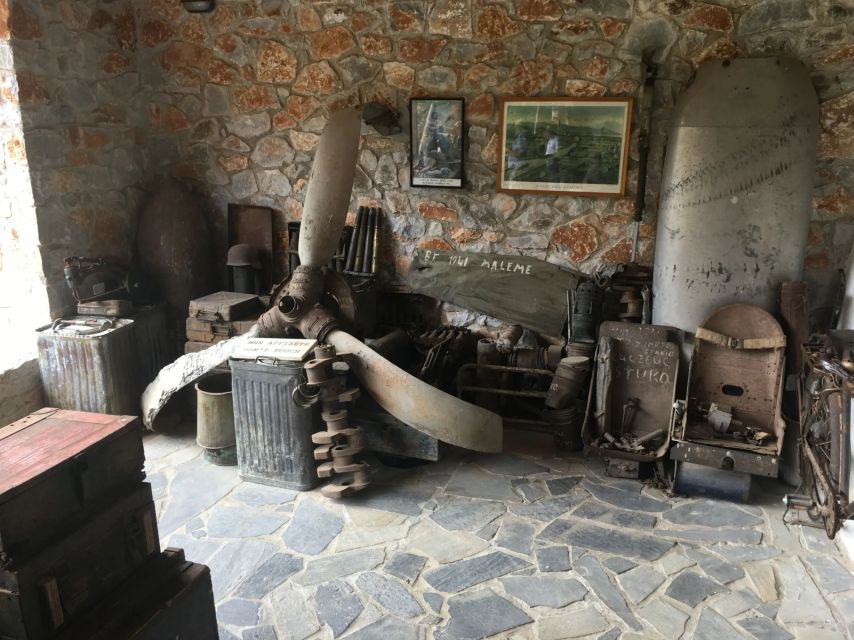
In Chania, you visit a rare private war museum. The curator explains war finds and helps you understand the significance of various guns, ammunition, and military equipment during World War 2 and the Battle of Crete. Even if you are not a gear person, this stop is valuable because it explains what equipment meant in practice. It gives context to what you’ve been seeing outside, in bunkers and facilities.
Then the tour heads to the evacuation port in South Crete, where you pay respects to the Battle of Crete memorial. This is one of those “you can feel the story here” moments. The port connects the island’s ground-level reality with the larger movement toward safety and survival.
The day also includes time for a relaxing lunch or a stroll. You get the chance to visit lovely villages of south Crete described as wild beauty. You do not have to rush from one site to the next without a break, and that is important for a tour with heavy subject matter.
Practical tip: bring a light layer. Port areas and open lookouts can feel cooler than you expect, even on a bright day.
Villages destroyed after the battle: reprisals, partisans, and why remembrance matters
Day four is what makes this tour hit harder and stay longer. You return to villages and places tied to what happened after the battle of Crete, including destruction by the Germans. You visit numerous villages in the Chania area and pay respects to innocent people who were killed for reprisals after the battles ended.
This is the day focused on the cost paid by civilians. You learn about the severe resistance of Cretans and the partisans, and how that resistance was met with heavy casualties for the Axis forces, including mention of one of the first resistance attempts they faced during the war. The guide’s approach keeps the story grounded in place and consequence.
What I appreciate here is that the tour does not try to “balance” tragedy with distraction. Instead, it pairs the seriousness of the theme with structure: you visit the locations, you hear why they matter, and you give your attention to remembrance.
The tour concludes back in the city where the private history tour in Chania began. You end with a clearer, more complete mental map. You are not just remembering points on a route, you are remembering cause and effect: battlefront pressure, retreat decisions, evacuation, and then what the aftermath meant for local communities.
Not ready to stop exploring Crete? Try one of these.
Price and value: what you pay for in a private historian-led route
The price is $1,013 per person for 4 days. That sounds steep until you break down what you’re getting.
You are paying for:
- A specialized historian tour guide, certified by the Greek Ministry of Tourism
- A specialized guide profile with a degree in History and Archaeology and specialization in contemporary history and the Battle of Crete
- Private transport in a modern air-conditioned vehicle
- Small snacks and drinks
- Free hotel pickup and drop-off from central Chania areas
- Flexible stops, including possible diversions or alterations based on your needs
- Surprise gifts at the end
- Full liability insurance and taxes
What is not included:
- Lunch and drinks at private tour stops
- Entrance fees when applicable
So where does the value land? For me, it comes down to time and access. You are not only visiting famous memorial points. You are being led to abandoned and unknown bunkers and hideouts, plus secret-location sites and a rare private museum stop. Those are not the kind of places that show up on a casual, mass-market tour without extra effort and specialist knowledge.
If you like WWII history, but also want to travel with real context and not feel rushed, this price can make sense. It is a “pay for depth” kind of tour.
The small practical stuff that changes your day
This experience is set up for comfort and focus, and a few details matter.
Because it’s private, your guide can pace the group and make flexible stops. That helps on a route that includes lookouts, bunkers, cemeteries, and memorial sites where you might want a little extra time to read plaques or take photos.
You also get small snacks and drinks. On history-heavy days, that can keep energy up without turning the tour into a lunch hunt.
Hotel pickup and drop-off from central Chania is a real benefit. You spend less time organizing logistics and more time on the actual sites.
Bring comfortable shoes. You will be standing and walking around uneven terrain at abandoned facilities and lookout areas.
Who should book this and who might prefer something else
This tour is a strong match if you want:
- A private WWII tour built around a specialist historian
- Battlefield-ground visits, including bunkers, lookouts, and facilities rather than only museums
- Memorial stops for British Commonwealth Allies and ANZacs
- A clear evacuation storyline, including Allied troop evacuation spots after the retreat order and the move toward Alexandria
- The aftermath story, including villages destroyed for reprisals and retaliations
It might be less ideal if you:
- Prefer light or purely scenic touring
- Want a short, casual overview instead of a structured, serious theme route
- Get tired from long days of walking and moving between sites
Should you book the Battle of Crete 4-Day Private WW2 War History Tour?
I think this is a good booking choice when you care about the real places where the battle happened and what happened afterward. The combination of specialist guidance, bunker and facility access, memorial visits, and an evacuation-focused route gives you a full story rather than disconnected stops.
If you are the type of traveler who likes reading terrain and context, you will likely find this tour satisfying. If you want only broad highlights with minimal walking and minimal emotional weight, you might want a lighter itinerary instead.
Either way, decide with one question in mind: do you want history on the ground, or history from a distance? This tour is clearly built for the ground.
FAQ
How long is the Battle of Crete 4 Day Private WW2 War History Tour?
It lasts 4 days.
What languages does the live guide use?
The live tour guide is listed as English and Greek.
Is the tour private?
Yes. The group type is private group.
Is hotel pickup and drop-off included in Chania central areas?
Yes. The tour includes free hotel pickup and drop-off from all Chania central areas.
What is included in the price?
Included are a specialized trilingual guide and licensed historian tour guide, private transport in a modern A/C vehicle, small snacks and drinks, flexible stops, surprise gifts at the end, full liability insurance, taxes, and free pickup and drop-off.
What is not included?
Lunch and drinks at the private tour stops are not included, and entrance fees are not included when applicable.
What are the cancellation and payment options?
You can cancel up to 24 hours in advance for a full refund. You can also reserve now and pay later, with no payment today.
If you want, tell me your travel month and your walking comfort level, and I can suggest what to prioritize for the days to feel best for you.
Recently Published: Crete Tours
- Creta Private Transfer from Heraklion (HER) Airport to Agia Pelagia★ 5.0 · 1 review
- Creta Private Transfer from Heraklion (HER) Airport to Stalís★ 5.0 · 1 review
- VISIT THE MOST FAMOUS PAINTER “EL GRECO” TOUR★ 5.0 · 1 review
- Crete: Balos Beach Viewpoint and Falassrna Beach Day Trip★ 5.0 · 1 review
- Samaria Gorge from Chania with Professional Hiking Guide★ 5.0 · 1 review
- Rethymno Bali & Panormo : Quad Safari & visit Cave 57km 4hours★ 5.0 · 1 review
- Unique wine tasting of organic Cretan wines★ 5.0 · 1 review
- Hersonissos: Private Sunset Catamaran Cruise, Snack & Drinks★ 5.0 · 1 review
Historical Tours, compared.
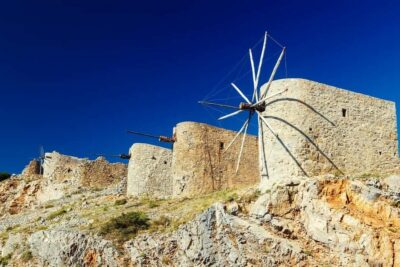
Zeus Cave & Knossos History, Villages & Olive Oil
Read our review →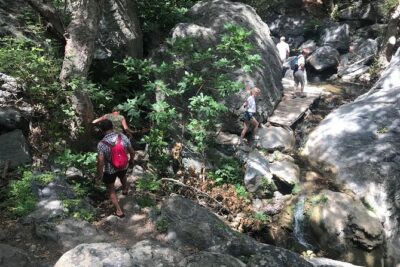
Richtis Waterfall, History, Azoria, OliveTasting, NorthCoast
Read our review →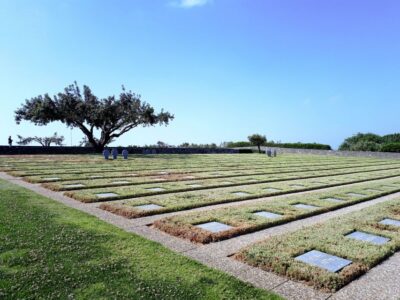
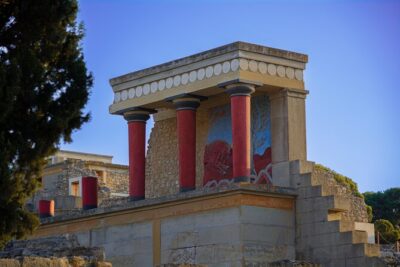
Heraklion Highlights: Knossos, Museum & Historic City Drive
Read our review →
Knossos Palace & Historical Heraklion City Tour, with Old Market
Read our review →
Hiking through History and Hidden Gems at Katholiko Bay
Read our review →Browse the lists this tour appears in