
Reviewed · COOKING CLASSES
Cretan Cooking in a Hidden stone Cottage
Cooking in a mitato stone cottage is a great way to understand Cretan food, not just taste it. What makes this outing special is the setting: a rustic shepherd’s home up at about 1,200 meters, plus a hands-on format where you help prepare the meal with Aris and the crew. I especially like the small-group feel, and the way the meal pairs local drinks, raki, and classic dishes like Antikristo lamb. One thing to consider is timing and comfort: you start at 10:30 am and you are outdoors around a cooking area, so wear shoes you can handle on uneven ground.
You meet at Agia Anna ChurchMonis Prevelis 100 in Iraklio, then spend about 4 hours 30 minutes cooking, eating, and chatting. The group stays small, capped at 10 people, which makes it easier to actually talk with your hosts instead of just watching from the edge. And the views from up in the hills are a repeat theme, so plan on stopping for a moment even when you are hungry.
In This Review
- Why This Meal Feels More Than Food
- Key Points to Know Before You Go
- A Mitato Above Crete: What This 4.5 Hours Feels Like
- Getting There From Iraklio: Where to Meet and How to Plan Your Morning
- Entering the Kitchen: What Happens After You Arrive
- Starters You Can Recognize: Olives, Cheese, Tomatoes, Rusks, and Raki
- Fire, Smoke, and Help With the Meal
- Antikristo Lamb and Greens: The Main Course Choice
- Sweet Preserves: The Easy, Old-School Finish
- Views, Stories, and the Social Side of a Cretan Table
- Price and Value: Is $322.90 Worth It?
- Who Should Book This Cooking Day (and Who Might Not)
- Should You Book Cretan Cooking in a Mitato Cottage?
- FAQ
- How long is the Cretan cooking experience?
- Where do we meet for the tour?
- What time does it start?
- Is the experience offered in English?
- What if I have food allergies or dietary restrictions?
- What is the cancellation policy?
Why This Meal Feels More Than Food
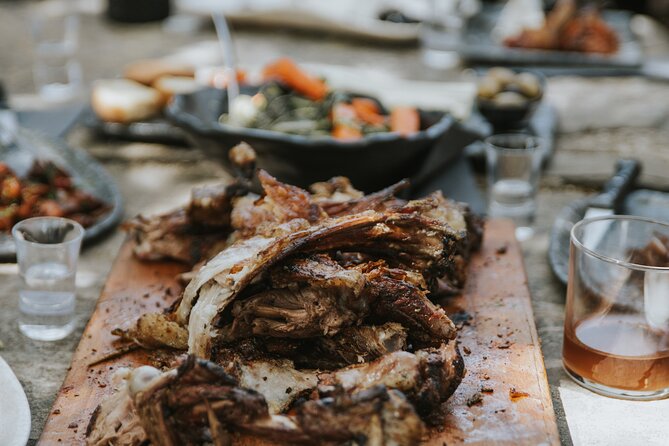
This is Cretan cooking as a craft, with a clear flow: starters, a main built around what you choose, and a simple sweet finish. You can expect olives, traditional cheese, tomatoes, rusks, and raki for the first course, plus something cooked over fire like Cretan sausage and potatoes. Then you pick between Antikristo lamb and greens or a mushroom stew option, followed by sweet preserves made with fruits in syrup.
Learn the mezze before you eat it
- Chania: Authentic Cooking Class in the White Mountains
★ 4.9 · 529 reviews - The Real Cretan Cooking Experience
★ 5.0 · 528 reviews - Chania Cooking Class-The Authentic Enjoy traditional Cretan meal
★ 5.0 · 339 reviews - Cretan Cooking Class and Olive Oil Tasting
★ 5.0 · 178 reviews - Moires: Cooking Class and Olive Oil Tasting at a Family Farm
★ 5.0 · 93 reviews
Key Points to Know Before You Go
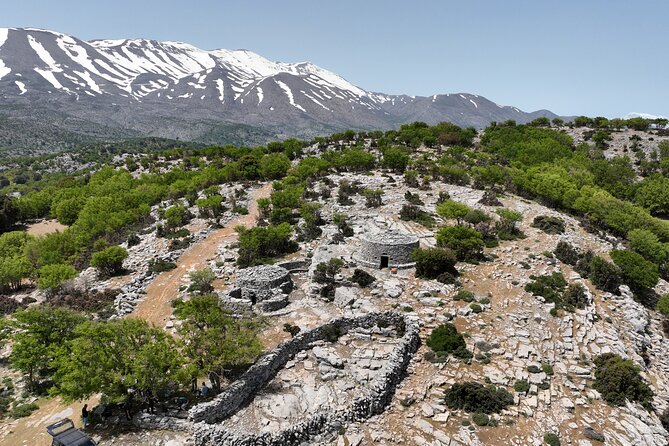
- Mitato stone cottage at 1,200 meters gives you that shepherd-life context while you cook and eat
- Small group of up to 10 means more conversation time with Aris and the kitchen team
- Hands-on steps rather than a pure cooking show, so you are part of the table
- Classic menu flow: raki welcome, fire-cooked sausage and potatoes, main choice, sweet preserves
- Great views plus good food and drinks is the combination people remember
A Mitato Above Crete: What This 4.5 Hours Feels Like
This experience is built around a simple idea: Cretan food makes more sense when you see the way it is made in a real place. Instead of a formal restaurant meal where everything happens offstage, you are in the action, learning by doing. And because the cooking happens in a stone cottage called a mitato, the whole meal feels connected to the daily life that produced these recipes.
The time window matters. About 4 hours 30 minutes is long enough for you to get comfortable with the process, help with a few steps, and actually enjoy your lunch, not just power through. It also means the experience is not only about eating. You get the chance to slow down, sip raki, and trade stories in a setting where the hills do most of the talking.
Getting There From Iraklio: Where to Meet and How to Plan Your Morning
You start at Agia Anna Church, Monis Prevelis 100, in Iraklio (713 06). The start time is 10:30 am, and the activity ends back at the meeting point. So think of it as a round-trip outing, not something where you need to coordinate a separate return plan.
Two practical notes help you enjoy the morning:
- Show up on time. A 10:30 start leaves less room for delays, and you will want your boots ready for whatever walking or uneven ground comes with heading up toward the cottage.
- Use your travel time to get your bearings. The meeting point is near public transportation, so you can keep your day flexible, but you still want to arrive without a rush.
Because the cottage sits up high, you should expect it to feel cooler than the city. Even if you pack for warm weather on the coast, bring a layer you can put on when you pause for photos or to watch the cooking.
Entering the Kitchen: What Happens After You Arrive
Once you reach the mitato, the tone shifts quickly into a warm, shared meal rhythm. The host, Aris, is the person who sets you up for the food journey, whether you are actively helping with prep or taking it easy with a glass of locally distilled raki while others cook.
This is one of those experiences where participation is flexible. If you want to roll up your sleeves, you can take part in making traditional dishes. If you are more interested in tasting and learning, you can still enjoy the process and chat as the food comes together. That balance matters, because it keeps the experience from feeling like a scripted show.
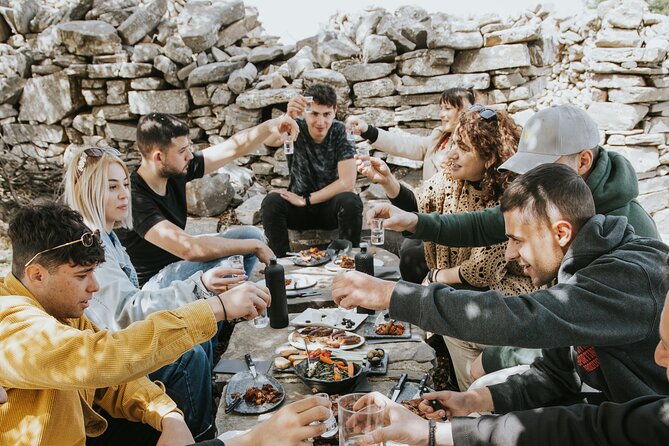
The format also supports conversation. With a group limited to 10 people, you are more likely to share stories than just listen. In past visits, people have enjoyed talking with Kostas and George and connecting the meal to Greek history and cultural memories. Even if the exact conversation changes from day to day, the atmosphere is clearly social.
Starters You Can Recognize: Olives, Cheese, Tomatoes, Rusks, and Raki
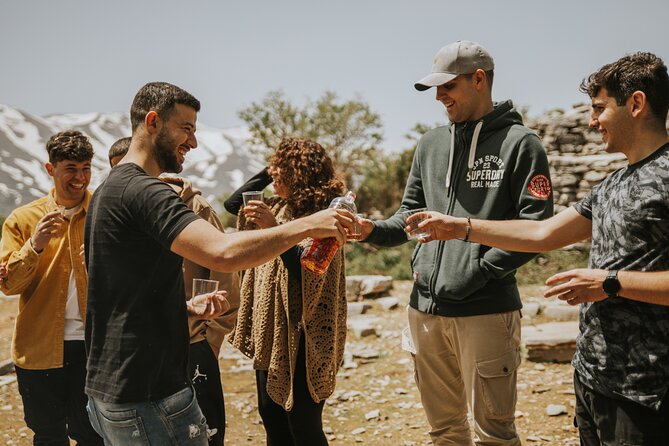
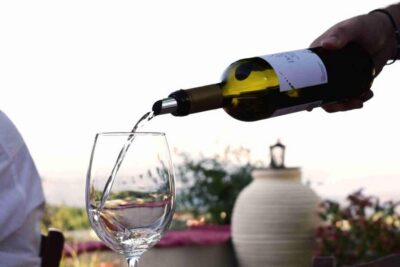
The meal starts with a starter that feels like a Cretan welcome. Expect a round plate of goodies that brings together olives, traditional cheese, tomatoes, rusks, and raki. It is the kind of combo that helps you understand the logic of the island table: simple ingredients, strong flavors, and food designed to be shared.
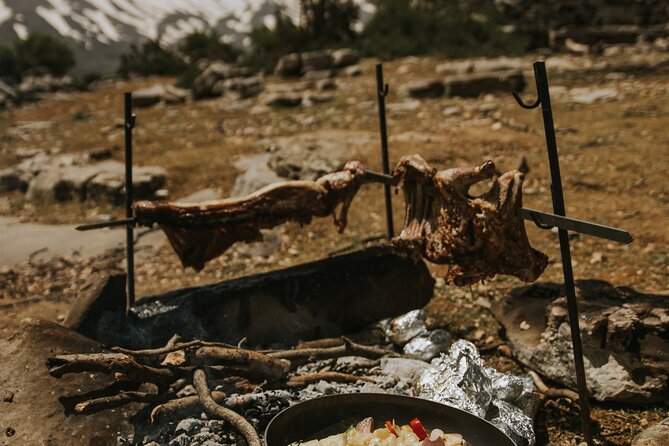
Then comes another starter centered on hearty comfort. You can look forward to Cretan sausage and potatoes in the fire. Fire-cooked food changes the flavor quickly. You get more depth, and it makes the whole day feel like it has a destination, not just a stop for lunch.
Practical tip: start slow with the raki. It is part of the experience, but pace yourself so you can enjoy both courses that follow. If you drink, you will likely want water nearby, especially on a morning outing.
Not ready to stop exploring Crete? Try one of these.




Fire, Smoke, and Help With the Meal
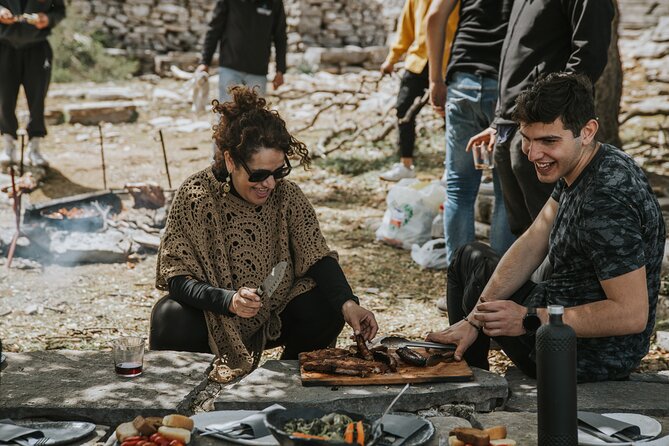
What I find most valuable here is that the cooking is not just something you watch. You are given a chance to learn how these dishes work in a real setting. That matters because Cretan cooking is deeply practical. These are meals that are built for local ingredients and for feeding people in a landscape where you cook over heat sources that were common before modern kitchens became the norm.
If you are trying to learn Greek cooking for real at home, pay attention to the sequencing. The way flavors stack, how starters lead into mains, and how the drink fits between steps all become part of your understanding. You are not just eating one dish. You are seeing how the table comes together.
Also, because the group is small, your questions land. If you want to know why a dish is made a certain way, you have a better shot of getting an answer than in a larger tour where everyone asks the same questions at once.
Antikristo Lamb and Greens: The Main Course Choice
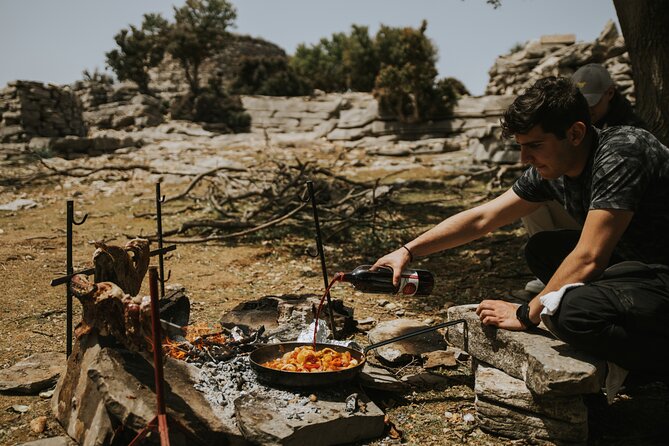
For the main course, you can expect a choice between two traditional directions:
- Antikristo lamb and greens
- Mushroom stew with tomato sauce, onions, garlic, and raki
Antikristo is a classic Cretan dish, and the lamb plus greens pairing is exactly the kind of hearty, balanced plate that locals have relied on for generations. The important thing for you is what it represents. It is not trendy food. It is traditional comfort built for a communal meal, and it is usually the dish people remember because it feels like a whole event.
If you prefer something vegetarian or lighter, the mushroom stew option still keeps the Cretan flavor profile. You get tomato sauce, onions, garlic, and raki in the mix, so it is not a bland alternative. It is a different route to the same island comfort: warm, savory, and built from ingredients that show up across Crete.
Sweet Preserves: The Easy, Old-School Finish
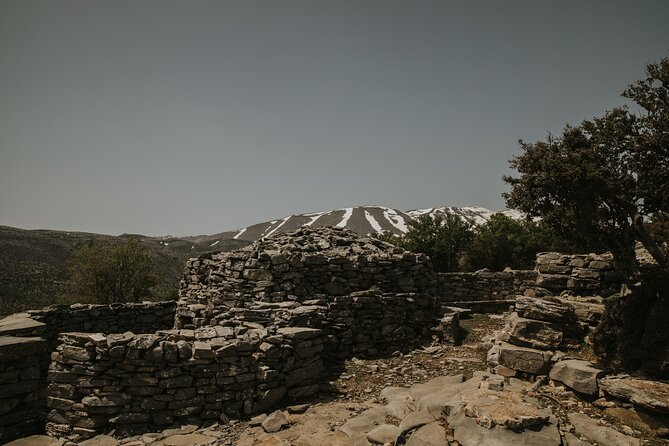
Dessert is sweet preserves, essentially fruits in syrup. This is one of those finishes that makes sense after a long meal built around savory dishes. It is not complicated. It is comforting.
And it ties back to tradition again. Cretan sweets often focus on fruit preserved in syrup because that is what you can store and enjoy. In other words, it is a dessert that belongs to everyday life, not just a special occasion.
Views, Stories, and the Social Side of a Cretan Table
The reviews and general vibe around this outing point to two things: breathtaking views and a strong social atmosphere. When you cook and eat outside, with a smaller group, you are more likely to slow down and enjoy the scenery rather than treating it like a backdrop for photos.
The best part is that the social time is not forced. You can be hands-on in the kitchen, then step back, taste the raki, and talk. People have especially enjoyed swapping stories about their cultures while learning Greek history from the people running the day, including Kostas and George. That kind of conversation makes the food feel personal.
If you travel solo, this is also a good format. Small group, shared meal, and a natural reason to talk to people at your table. It can turn a lunch into something more like a short cultural exchange.
Price and Value: Is $322.90 Worth It?
At $322.90 per person for about 4 hours 30 minutes, this is not a budget meal. But it can be good value if you care about three things: local setting, hands-on cooking, and a real host-led experience.
Here is how I’d think about the cost:
- You are paying for a specific setting: a stone mitato at elevation, not a generic kitchen class.
- You are paying for food and drinks that come as a full meal, not a few small tastings.
- You are paying for a small group limit of 10, which usually means more attention and better conversation time.
If you already know you want to do at least one truly local cooking experience in Crete, this price starts to look more reasonable. If your goal is to eat well but keep costs low, you might prefer a regular tavern meal and spend less. The difference is that a tavern gives you taste and atmosphere, while this gives you cooking context and interaction.
Also, the fact that it is commonly booked about 36 days in advance suggests demand. If your travel dates are firm, you will probably want to lock it in early rather than gambling on last-minute availability.
Who Should Book This Cooking Day (and Who Might Not)
This works especially well for you if:
- You like food experiences that are active, not just watch-and-wait
- You want a small-group meal where conversation feels normal
- You are interested in traditional dishes like Antikristo lamb and the island role of raki
- You enjoy learning through food, including the cultural stories that come with it
It may be less ideal if:
- You want a very polished, classroom-style cooking class with lots of English instruction. This is host-led and hands-on, but it is still a meal day, not a strict curriculum.
- You have limited tolerance for outdoor settings around a cooking area. You will be in the hills at about 1,200 meters, so dress for comfort.
If you have food allergies or special diets, the key is communication ahead of time. You will need to share restrictions (allergy, special diet, and so on) when you book so the host can guide you appropriately.
Should You Book Cretan Cooking in a Mitato Cottage?
I’d book it if you want a memorable Crete lunch with more story than a typical meal. The combination of a stone mitato setting, a full traditional menu, and a small group cap makes the day feel personal. The menu choices also give flexibility, with Antikristo lamb and greens as the standout main option, plus a mushroom stew alternative with tomato, onions, garlic, and raki.
Skip it if your priority is low cost or if you dislike outdoor cooking environments. But for most travelers who want a real taste of Cretan life, this is the kind of experience that turns a meal into something you can tell people about later.
FAQ
How long is the Cretan cooking experience?
It lasts about 4 hours 30 minutes.
Where do we meet for the tour?
You meet at Agia Anna Church, Monis Prevelis 100, Iraklio 713 06, Greece.
What time does it start?
The start time is 10:30 am.
Is the experience offered in English?
Yes, it is offered in English.
What if I have food allergies or dietary restrictions?
You need to communicate any food restrictions at booking, such as allergies or special diets.
What is the cancellation policy?
You can cancel for free up to 24 hours before the experience’s start time for a full refund. If you cancel less than 24 hours before, the amount paid is not refunded.
Recently Published: Crete Tours
- Creta Private Transfer from Heraklion (HER) Airport to Agia Pelagia★ 5.0 · 1 review
- Creta Private Transfer from Heraklion (HER) Airport to Stalís★ 5.0 · 1 review
- VISIT THE MOST FAMOUS PAINTER “EL GRECO” TOUR★ 5.0 · 1 review
- Crete: Balos Beach Viewpoint and Falassrna Beach Day Trip★ 5.0 · 1 review
- Samaria Gorge from Chania with Professional Hiking Guide★ 5.0 · 1 review
- Rethymno Bali & Panormo : Quad Safari & visit Cave 57km 4hours★ 5.0 · 1 review
- Unique wine tasting of organic Cretan wines★ 5.0 · 1 review
- Private Van Tour from Chania to Monasteries★ 5.0 · 1 review
Cooking Classes, compared.
Authentic Cooking Class in the White Mountains
Read our review →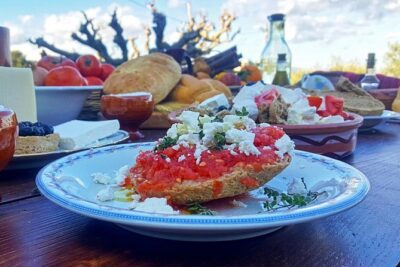
Chania Cooking Class-The Authentic Enjoy traditional Cretan meal
Read our review →
Full-Day Jeep Safari Tour with Cooking Lesson
Read our review →
Moires: Cooking Class and Olive Oil Tasting at a Family Farm
Read our review →
Sightseeing Day Trip with Cooking Lesson and Lunch
Read our review →Browse the lists this tour appears in