
Reviewed · COOKING CLASSES
Chania: Authentic Cooking Class in the White Mountains
One tasty walk can beat a full museum day. In Chania’s White Mountains, this small-group cooking class mixes farm visits with Cretan meals you help prepare. You get a guided day that flows from garden produce to a shepherd-area story about olives, then lands at dinner with cheese, wine, and traditional desserts.
Two things I really like about it are the hands-on cooking and the way it explains what you are eating. You do more than follow steps for ntakos and tzatziki, you learn the why behind the ingredients, from extra virgin olive oil to herbs and locally sourced flavors.
The main drawback is simple: it is a long day. Expect a full 6 hours with a mountain walk, and plan for limited water opportunities along the way.
In This Review
- Key things to know before you go
- Why this Chania cooking class in the White Mountains feels different
- Getting there from Chania: pickup, the A/C van, and pacing
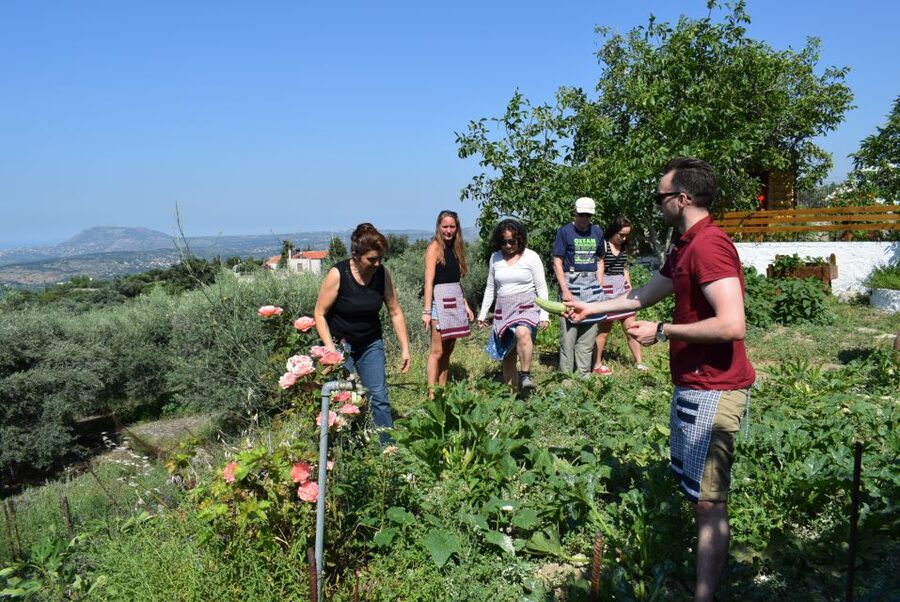
- The garden start: learning herbs and vegetables before you cook
- Mountain walk to the shepherd area and the olive harvesting story
- Cooking hands-on: making ntakos and tzatziki the Cretan way
- Cheese and wine tasting that actually sets up dinner
- The dinner you cook: appetizers, wine pairing, and jar desserts
- Family-run hospitality details that make it feel personal
- Price and value: what $129 gets you in the real world
- Who should book this, and who should think twice
- Tips to make your 6-hour Cretan food day smoother
- Should you book the Chania Authentic Cooking Class in the White Mountains?
- FAQ
- Where is this cooking class located?
- How long does the experience last?
- What does the price include?
- Is the class taught in English?
- What food will I be making or eating?
- Will I be tasting wine and cheese?
- Do I need to bring anything?
- Is pickup included from the Chania region?
- What is the cancellation policy?
Key things to know before you go
- White Mountains setting at the base of the range, with a scenic walking segment
- Vegetable garden and herb stroll before you cook, so you start with real ingredients
- Cheese and wine tasting timed before dinner, not as an afterthought
- Small-group vibe that feels more like a shared family meal than a factory tour
- Recipe and photo email after the experience, so you can repeat the dishes at home
Snow on the peaks into early summer
- From Chania: White Mountains Land Rover Safari
★ 4.6 · 104 reviews - Chania: White Mountains Safari Tour with Lunch and Tastings
★ 5.0 · 52 reviews - Chania Shore Excursion to the White Mountains
★ 4.5 · 13 reviews - Chania Nature & Villages, White Mountains & Unique Cretan Lunch
★ 5.0 · 12 reviews - Crete Above the Clouds: Private 4×4 White Mountains Safari
★ 5.0 · 2 reviews
Why this Chania cooking class in the White Mountains feels different
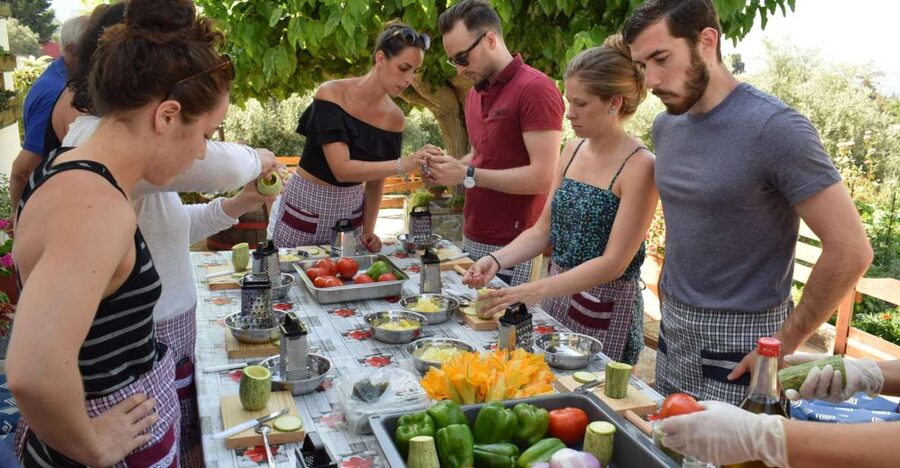
This is not a sit-and-watch cooking show. The day is built around Cretan food habits that make sense in real life: garden herbs, extra virgin olive oil, and simple dishes that taste better when you understand the ingredients. You also get the mountain context, so the food does not feel like something pulled from a cookbook.
I especially like how the experience links land and table. You hear the stories behind dishes, not just the steps, and that helps the meal stick in your brain after you leave. If you like your travel with a mix of food, place, and people, this hits the sweet spot.
There is also a strong Mediterranean-diet thread running through it. The class emphasizes seasonal vegetables, aromatic herbs, olive oil, and balanced plates. It is a practical way to learn how traditional Cretan cooking stays both satisfying and relatively light.
Getting there from Chania: pickup, the A/C van, and pacing
You will be picked up from specific locations within the Chania region. That matters, because it reduces the stress of finding the right meeting point after a long day in town. Transportation is by an air-conditioned minivan, which is a big comfort win in warmer months or if you arrive in Chania after a travel day.
The total duration is 6 hours. That sounds short until you remember it includes pickup, a walking segment in the mountains, cooking time, and a full meal with tastings. Plan your day around it, not around a quick stop to grab something else before dinner.
One pacing note: bring the right gear for a walk. Comfortable shoes are a must, and a jacket is listed for a reason. Even when the sun is bright, mountain breezes can catch you during breaks and transitions.
The garden start: learning herbs and vegetables before you cook
The experience begins with a leisurely stroll through a vegetable garden. This is where the day gets real, because you are connecting the dish to what grows in the region. You also learn about herbs, how they show up in Cretan flavors, and why they taste different when they are fresh.
This garden portion is more than a warm-up. It gives you a mental checklist for the cooking later: olive oil for richness, herbs for aroma, and vegetables for body. When you cook ntakos and tzatziki later, you are not guessing what each ingredient contributes.
I like that the garden portion is unhurried. You are not rushed from bus to kitchen. You get that small moment of quiet in a working outdoor space, and then the day turns into a true group activity.
Mountain walk to the shepherd area and the olive harvesting story
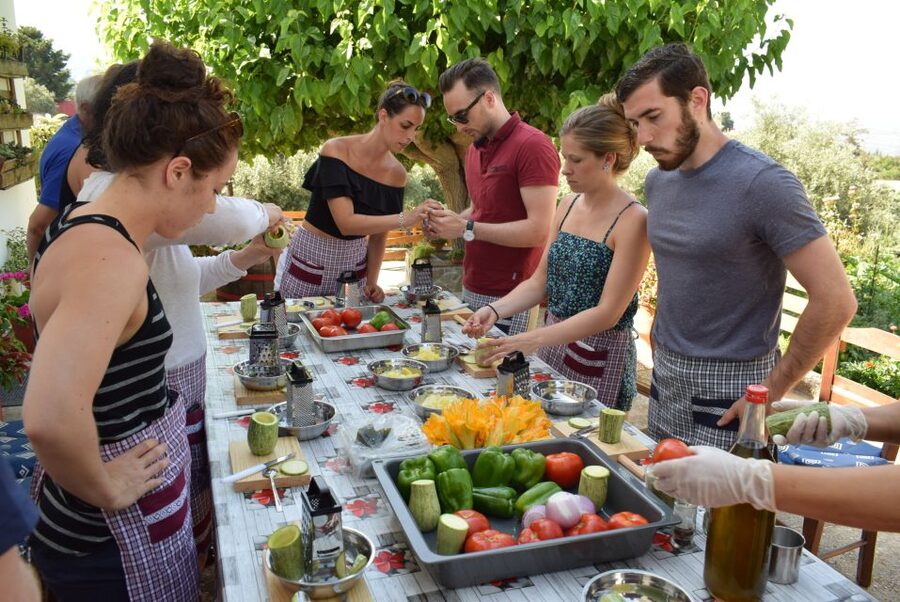
After the garden, the schedule includes a scenic mountain walk to a shepherd’s enclave. The highlight here is the storytelling around olive harvesting. Olive oil is not treated like a background ingredient. It is explained as a core part of how the land supports daily life, and how that shapes Cretan cooking.
You may also encounter animals along the property, and the setting is described as a shepherd’s place, not a show farm. Some groups mention feeding sheep, which makes the visit feel grounded and human-scale. This is one of those moments where photos are fun, but it is the lived-in feel that matters.
Practical tip: keep your pace steady on the walk. You want energy left for chopping, mixing, tasting, and sitting down to eat. If you take it slow early, the rest of the day feels smoother.
Cooking hands-on: making ntakos and tzatziki the Cretan way
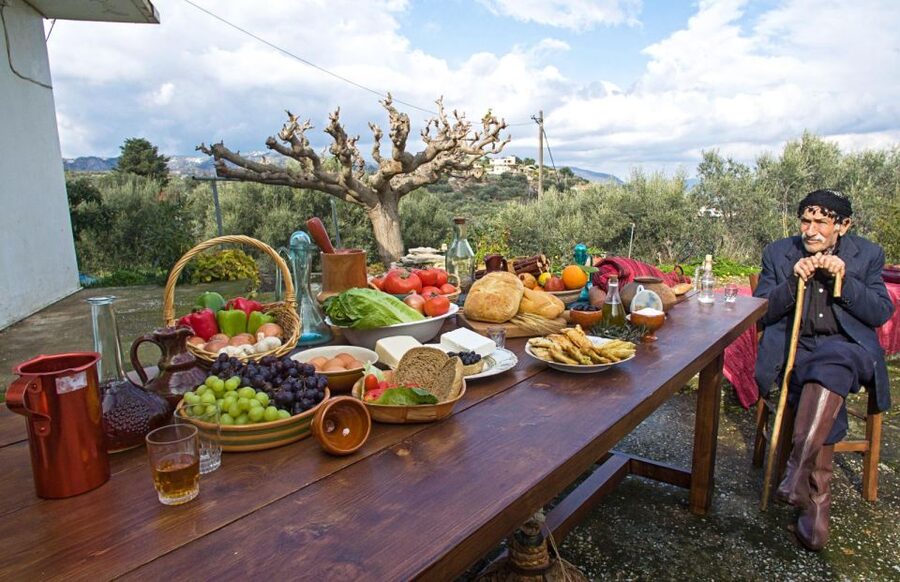
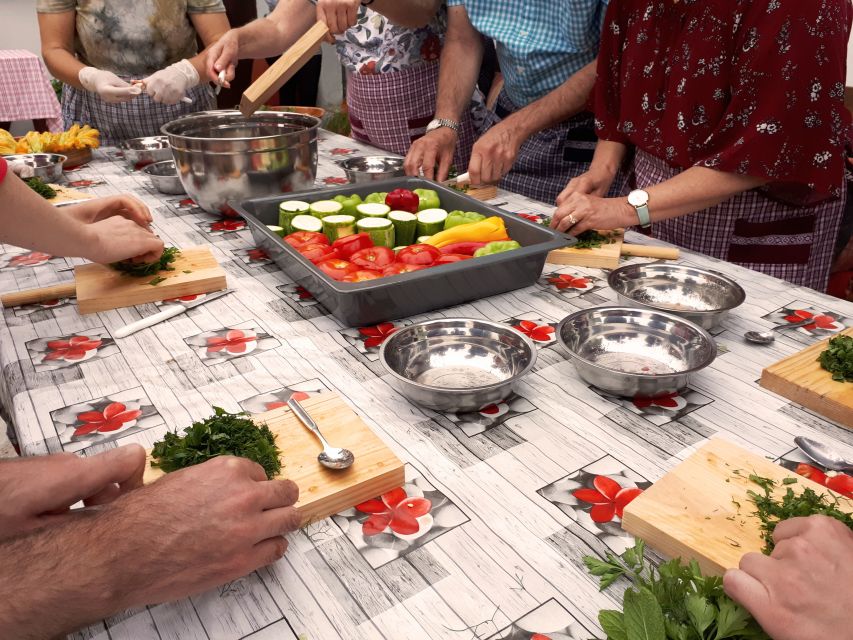
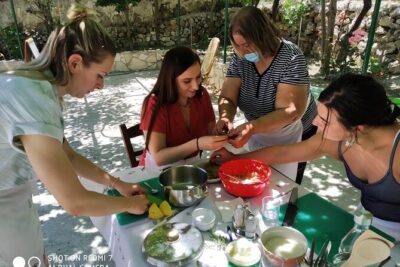
Back at the cooking haven, you start the real class work. You will use an apron and cooking utensils provided on-site, and the instruction is in English. The cooking teaching is led by a chef and supported by the guide, and the overall tone stays friendly and practical.
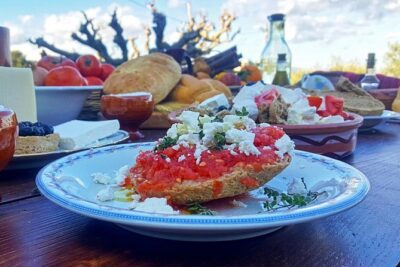
You will create appetizers including ntakos and tzatziki. That is a smart combo for learning, because it covers both the grain and topping style of Cretan snacks and the yogurt-herb, olive-oil friendly side of the cuisine. You will taste as you go, so you learn by adjusting salt, herbs, and texture, not by relying only on memory.
I also like that the class is grounded in Mediterranean diet habits. You are working with aromatic herbs, freshly harvested vegetables, and ingredients that match the region. It is not about fancy techniques. It is about flavor balance and good staples.
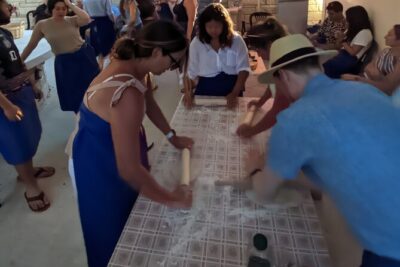
One more plus: the group stays small. That means you actually get time at the workstations and clarification when you need it. If you are a solo traveler, that small-group structure also makes it easier to connect without forcing conversation.
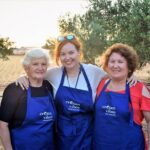
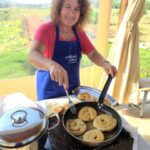
Learn the mezze before you eat it
Cheese and wine tasting that actually sets up dinner
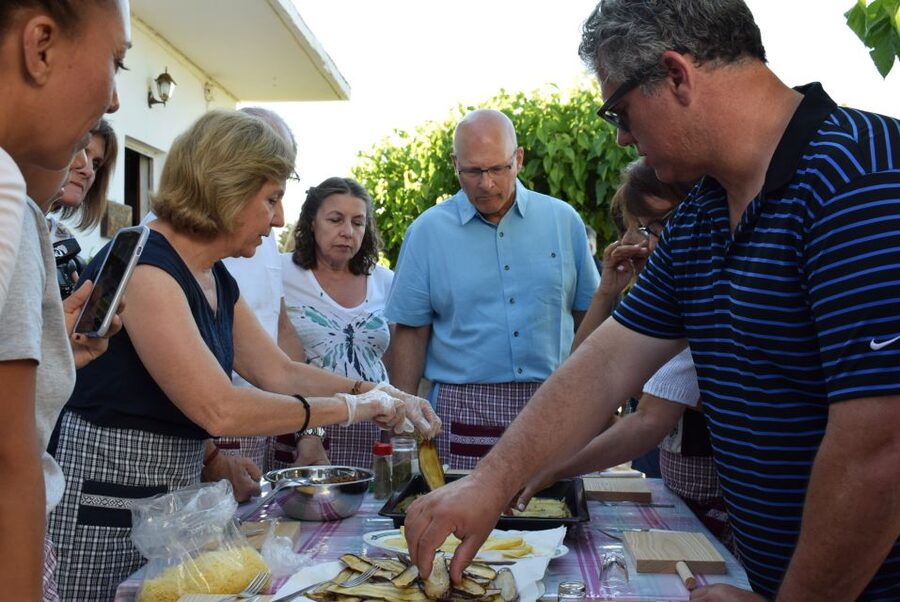
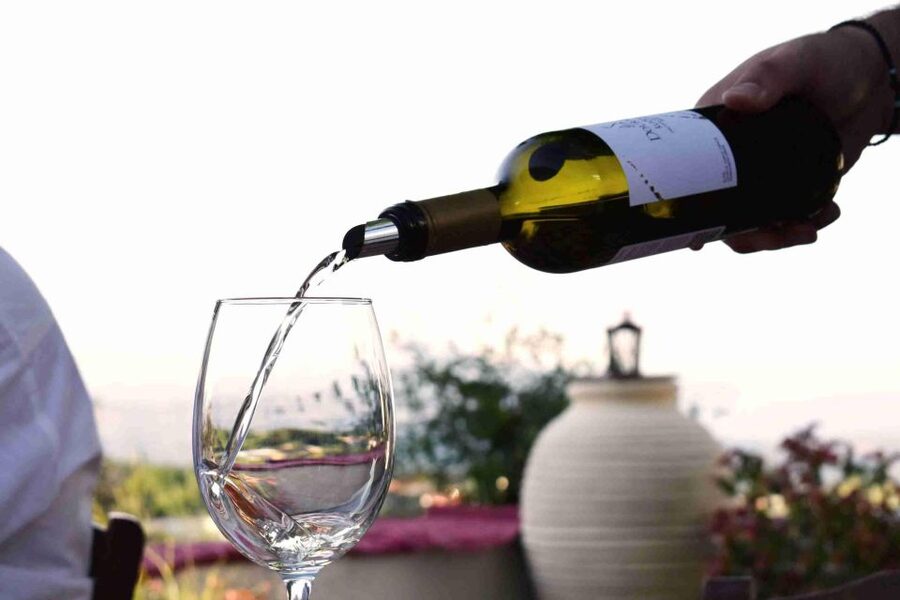
Before dinner, you sample local wines and Cretan cheese. This is not just a tasting pour. It is timed to help you appreciate what you will eat later, especially when your meal includes dishes built around olive oil, herbs, and local ingredients.
The pairing logic feels natural here. Cretan wine tends to sit comfortably alongside food that leans vegetable-forward and herb-driven. Cheese tasting also gives you a feel for saltiness and richness, so when you sit down to eat, your palate reads the meal faster.
In the same vein, you will learn about the origins behind dishes, which makes the tasting more meaningful. You are not sipping blind. You understand what the ingredients are supposed to do for the meal.
The dinner you cook: appetizers, wine pairing, and jar desserts
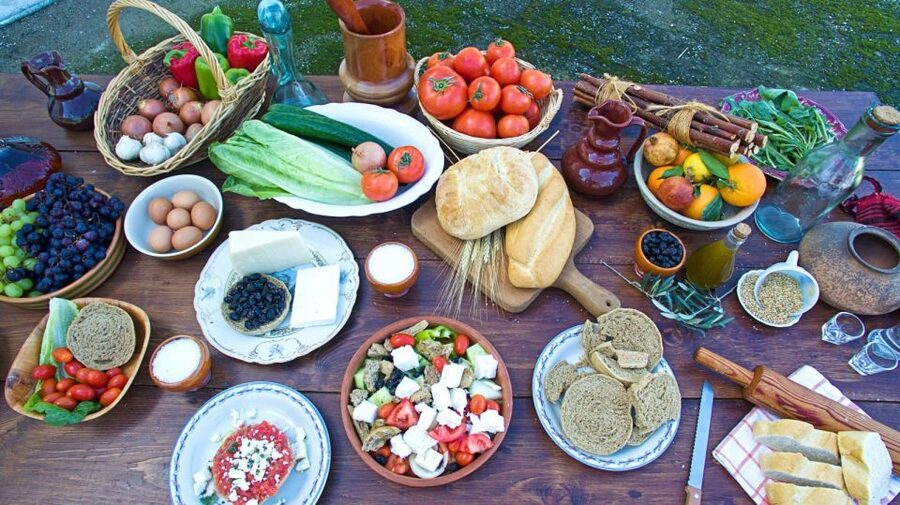
Your dinner is built around what you helped prepare, and it is paired with regional wines. That pairing is part of the experience, not an add-on you pay for separately. You end up with a proper meal at the table together, which is one of the best ways to understand a home-style cuisine.
The day typically flows like this: you cook the appetizers, sample tasting items, then sit down for the meal. The structure matters because you get a chance to enjoy what you made, not just package it and move on. People often remember this part most because it feels like you are sharing an evening, not attending a class.
You finish with traditional jar desserts, sweet and simple in style. Jar desserts are a great ending because they show how Cretan sweets often focus on fruit, spice, and comforting texture rather than complicated plating. It is a gentle closer that makes the wine and savory dishes feel balanced.
One thoughtful detail: there is an emphasis on minimizing food waste, and extra food may be shared with the local community. That kind of care is the quiet version of hospitality, and it is nice to see.
Family-run hospitality details that make it feel personal
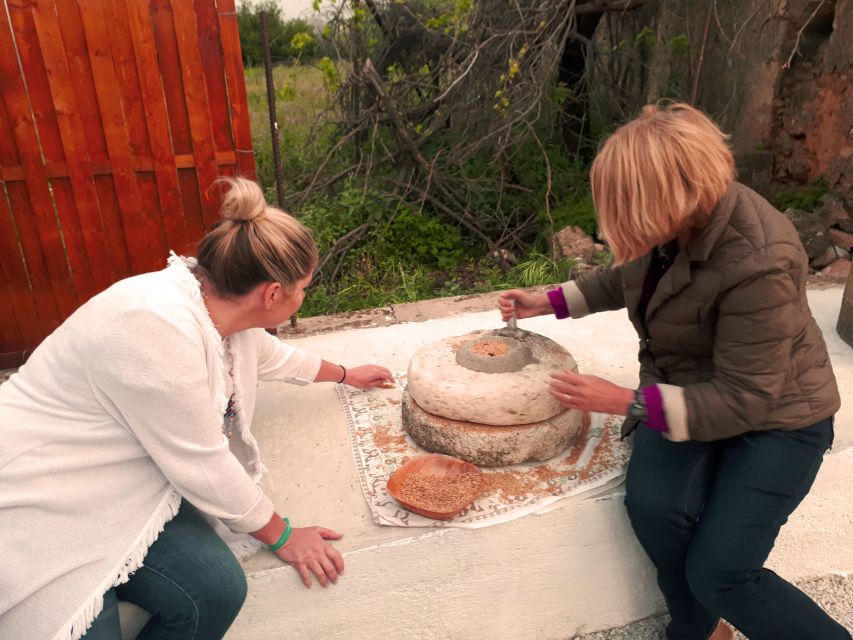
The hosts open their home and heritage to the group. That includes a warm welcome, a family-centered atmosphere, and the sense that you are being treated as part of the day, not just a paying ticket. Many people highlight the setting as gorgeous, with mountain views and a restored home that feels lived in, not staged.
You also get commemorative gifts. And after the experience, recipes and photos of your cooking are sent by email. For me, that turns the day into something you can recreate, not just something you remember.
There is sometimes even an on-site shop where you can purchase local olive oil, wine, herbs, and beauty products. It is a good place to grab a practical souvenir that actually travels home well, especially if you want olive oil you can use right away.
Price and value: what $129 gets you in the real world
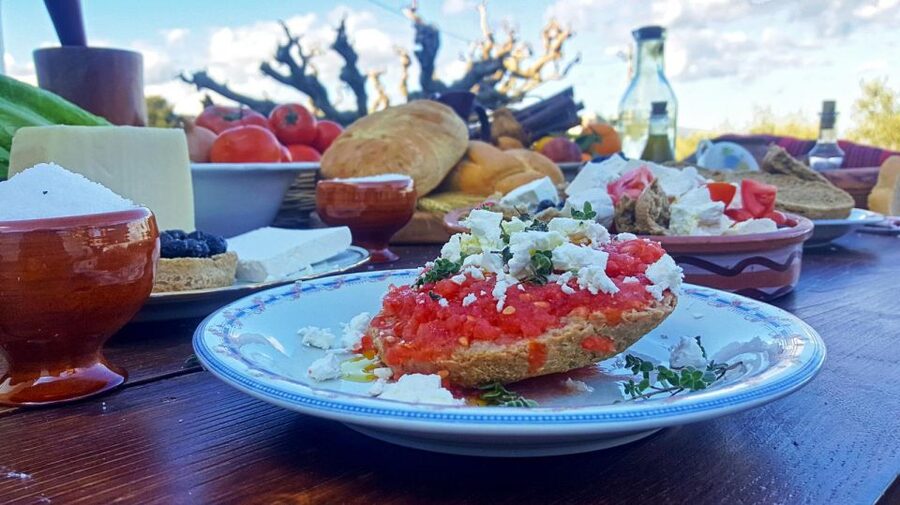
At $129 per person, this is not a cheap add-on. But it is also not just a kitchen activity. You are paying for the full package: pickup and drop-off, transportation by air-conditioned minivan, a small-group cooking class, all dinner ingredients, cooking tools and an apron, plus wine and food tastings.
Add in the fact that you are getting a mountain setting, a garden start, and a shepherd-area walk with stories about the food. That is not replaceable with a supermarket cooking class in town.
It is also a value play compared with piecing together experiences. If you tried to do a farm visit, tastings, and a guided cooking lesson separately, you would likely end up paying more while losing the smooth flow of this single 6-hour program.
Finally, this class has a high satisfaction score of 4.9 from 529 ratings. That does not mean every day is perfect, but it does suggest consistent quality in food, teaching, and hospitality.
Who should book this, and who should think twice
This suits you best if you want Cretan cuisine with context. If you enjoy learning why dishes work, you will like the stories, the ingredient focus, and the way the day connects olives, olive oil, herbs, cheese, and wine.
It also works well for solo travelers. Small-group structure and a family-style table help you feel included without needing to force social plans. Even if you are shy, the cooking tasks and shared meal keep things easy.
Think twice if you want a very short outing or you dislike walking. There is a mountain segment, and it takes time. Also, plan for a later return if your schedule runs through the evening, since the full day can stretch beyond normal dinner hours.
Tips to make your 6-hour Cretan food day smoother
Here are a few practical moves that help you enjoy the day more:
- Wear comfortable shoes with good grip for the walk.
- Bring a water bottle, since water opportunities can be limited until later in the day.
- Pack sunglasses and a jacket. The mountain air can feel cooler than you expect.
- Go hungry, then slow down during tastings. You will be eating a full dinner.
- Ask questions while cooking. The guides and hosts are clearly happy to explain how Cretan ingredients and habits shape each dish.
One more smart idea: bring a small notebook or use your phone for notes. Even though recipes are emailed after, writing down what you liked helps you recreate the right balance at home.
Should you book the Chania Authentic Cooking Class in the White Mountains?
If you want one high-value day in Chania that mixes food, scenery, and a real home dinner, I think you should book it. The 6-hour format is long enough to feel complete, but focused enough to stay enjoyable.
Choose it if you care about Mediterranean diet basics like olive oil, herbs, and seasonal vegetables, and if you want to leave with recipes and photos you can actually use. Also, if you enjoy wine and local cheese, the tastings and pairing make the experience feel rounded.
Skip it only if you cannot handle a mountain walk or you need a quick, low-effort activity. For most people, the trade-off is worth it: you get a day that feels like you visited a working part of Crete, then ate dinner you helped make.
Operated through GS tours, this is one of those Chania activities that many people remember as the best evening of the trip, mostly because it stays personal from start to finish.
FAQ
Where is this cooking class located?
It takes place in the Chania area of Crete, Greece, at the base of the White Mountains.
How long does the experience last?
The experience lasts 6 hours.
What does the price include?
It includes pickup and drop-off, transport in an air-conditioned minivan, a small group cooking class and meal, all ingredients for your dinner, use of apron and cooking utensils, wine and food tasting, commemorative gifts, and recipes plus photos sent by email.
Is the class taught in English?
Yes, the instructor is listed as English.
What food will I be making or eating?
You will cook traditional Cretan dishes including appetizers such as ntakos and tzatziki, and then enjoy the dinner you help prepare. The day also includes Cretan cheese and wine tasting, and a finish with traditional jar desserts.
Will I be tasting wine and cheese?
Yes. The experience includes wine and food tasting, including local wines and Cretan cheese.
Do I need to bring anything?
You should bring comfortable shoes, sunglasses, and a jacket.
Is pickup included from the Chania region?
Yes, pickup is included from specific locations within the Chania region.
What is the cancellation policy?
You can cancel up to 24 hours in advance for a full refund.
Crete's Local Workshops
Recently Published: Crete Tours
- Creta Private Transfer from Heraklion (HER) Airport to Agia Pelagia★ 5.0 · 1 review
- Creta Private Transfer from Heraklion (HER) Airport to Stalís★ 5.0 · 1 review
- VISIT THE MOST FAMOUS PAINTER “EL GRECO” TOUR★ 5.0 · 1 review
- Crete: Balos Beach Viewpoint and Falassrna Beach Day Trip★ 5.0 · 1 review
- Samaria Gorge from Chania with Professional Hiking Guide★ 5.0 · 1 review
- Rethymno Bali & Panormo : Quad Safari & visit Cave 57km 4hours★ 5.0 · 1 review
- Unique wine tasting of organic Cretan wines★ 5.0 · 1 review
- Hersonissos: Private Sunset Catamaran Cruise, Snack & Drinks★ 5.0 · 1 review
Cooking Classes, compared.
Chania Cooking Class-The Authentic Enjoy traditional Cretan meal
Read our review →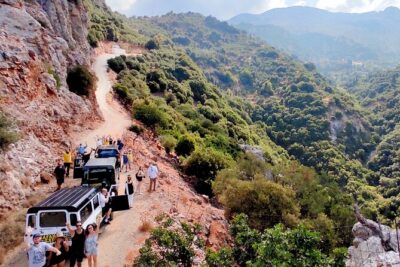
Full-Day Jeep Safari Tour with Cooking Lesson
Read our review →
Moires: Cooking Class and Olive Oil Tasting at a Family Farm
Read our review →
Sightseeing Day Trip with Cooking Lesson and Lunch
Read our review →
Browse the lists this tour appears in