
Reviewed · OLIVE OIL TASTINGS
Crete: Full-Day Cretan Wines, Olive Oil, Raki and Food Tour
Raki, wine, oil, pottery, all in one day. I really like how this small-group Cretan day tour connects you to what people actually grow and make, not just what they sell. The olive oil start is spot-on, and the raki stops are memorable, especially once you try the flavored options. The main drawback is it is an 8 hour schedule with multiple tastings, so pace yourself if you do not want to feel it by late afternoon.
My second favorite thing is the human scale. Guides such as Antonis and George keep the day moving, while the stops stay family-run, from vineyards and mills to a pottery studio where you can get your hands dirty.
In This Review
- Quick hits before you go
- Crete’s wine and oil culture, explained the way you’ll actually remember
- The van rhythm, pickup, and why the day does not feel chaotic
- Skalani brunch and local snacks, the best warm-up
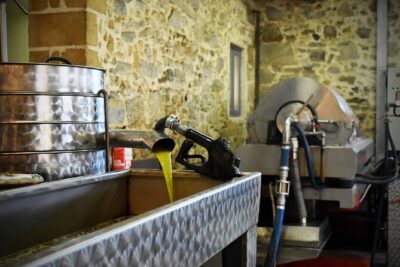
- Olive grove and olive mill: tasting fresh oil without the guesswork
- Vineyard walk and winery tastings, including an organic approach
- Raki distillery tour on an ancient wine press, then the flavored fun
- Lunch at a local tavern, and how to make it last
- Thrapsano pottery workshop in a traditional village, including Sunday limits
- Price and value: is $141 worth your day?
- Who this tour is best for, and who should think twice
- Should you book this Crete wine, olive oil, raki, and pottery tour?
- FAQ
- How long is the tour?
- How many people are in the group?
- What tastings are included?
- Is lunch included?
- Do you get to make pottery?
- Is pickup and drop-off included?
- What languages are the guides?
- Can I request dietary accommodations?
- What is the cancellation window?
Quick hits before you go
- Up to 8 participants means more time for questions and fewer awkward “wait your turn” moments.
- Olive grove plus olive mill includes a guided look at production, then tasting fresh olive oil.
- Family winery visit with organic methods and a vineyard walk, followed by tasting 5 wines.
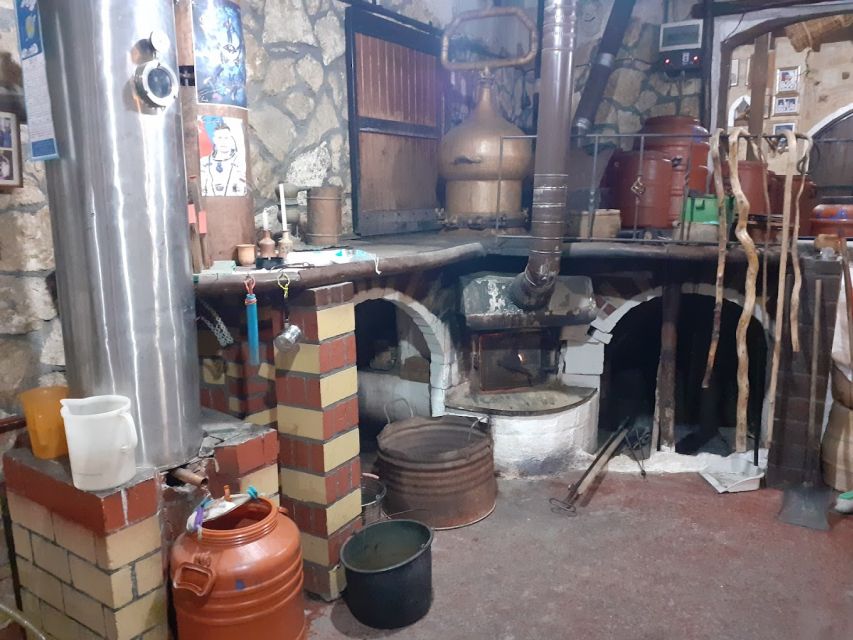
- Raki distillery built around an ancient wine press plus a rakokazano tasting.
- Traditional lunch at a local tavern, with plenty of food during the day.
- Pottery workshop in a traditional village, optional, but the pottery lab is not available on Sundays.
Snails, dakos, and cheese you won't find shipped out
- Chania: Old Town Highlights Guided Tour with Street Food
★ 4.9 · 407 reviews - Heraklion: Food Tastings Walking Tour
★ 5.0 · 136 reviews - Rethymno Walking & Gastronomy Tour
★ 5.0 · 103 reviews - Chania Food Stories Half-Day Tour inc. tastings & drinks
★ 5.0 · 92 reviews - Wine Tasting & Food Experience Inside a Cretan Gorge
★ 5.0 · 35 reviews
Crete’s wine and oil culture, explained the way you’ll actually remember
Crete has been growing grapes and olives for a very long time, way back to the Minoan era. That is not trivia you forget after five minutes. It shows up in how people talk about land, seasons, and craft, and it is why tasting here feels different from pouring a glass and moving on.
On this tour, you get the practical connections. You see the agricultural side, the production side, and then the final side where people sit down together and eat. You also get spirits culture, because raki is part of everyday hospitality in many Cretan families.
If you like food and drink, you will leave with a clearer sense of what makes Crete taste like Crete. And if you do not care about alcohol, the olive oil and lunch alone are still a strong reason to go.
The van rhythm, pickup, and why the day does not feel chaotic
This runs about 8 hours, with hotel pickup and return included. You ride in a vehicle with an experienced driver and a live guide, and the day breaks into readable chunks, not nonstop walking.
The schedule is built around short travel segments between stops, so you are not stuck staring out a window for long stretches. You typically start with a first area for brunch and snacks, then head to a winery, then to the raki distillery, then to the village lunch and arts-and-crafts stop.
Two practical notes to keep your day smooth:
- Wear comfortable shoes. Even light vineyard or studio walking adds up.
- Eat before you go if your pickup is early, so brunch and lunch feel like treats, not chores.
The tone of the day depends a lot on your guide, and that matters. People often name Antonis and George specifically, and the vibe is friendly, funny, and focused on keeping the group comfortable.
Skalani brunch and local snacks, the best warm-up
Your first main stop is Skalani, where you get a visit plus brunch and local snacks. This matters because it sets the tempo. Instead of jumping straight into tastings, you ease in with food and a guided introduction to what you are about to experience.
This is also where you start meeting the rhythms of the places you visit. Many of the stops are family-run, and the welcome tends to be generous, with plenty of small extras along the way. That is good tourism, not just good hospitality.
If you are picky, or if you have dietary needs, plan ahead. You can contact the operator at least 48 hours in advance with allergies, vegetarian needs, or other requests for the meal.
Olive grove and olive mill: tasting fresh oil without the guesswork
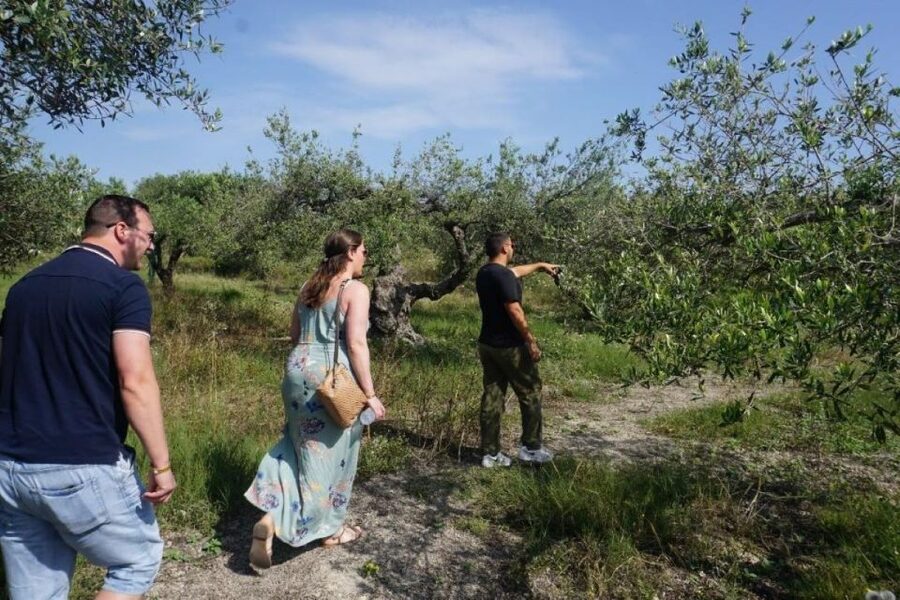
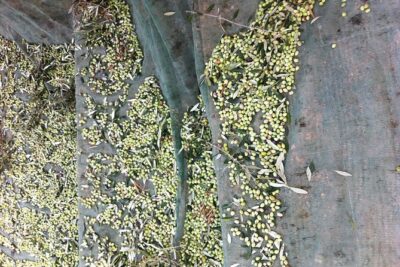
One of the strongest parts of the day is the olive experience. You do not just taste olive oil in a shop. You tour the olive grove and visit an olive mill, with guided explanations along the way.
What you should expect:
- A look at how the grove connects to the final product.
- A tour experience at the mill, so you understand what happens after the fruit is harvested.
- A tasting of fresh olive oil, where the flavor differences are easier to notice once you see the process.
In several descriptions of the experience, olive oil tastings come with practical plate favorites like bread, cheese, and fruits, sometimes along with raki. That is a smart setup. It helps you compare flavors with something neutral, not just taste oil by itself and hope you are an instant expert.
Quick tip: when you taste, do it slowly. Smell first, then take a small sip or drip on bread. Your palate catches more when you are not rushing.
Vineyard walk and winery tastings, including an organic approach
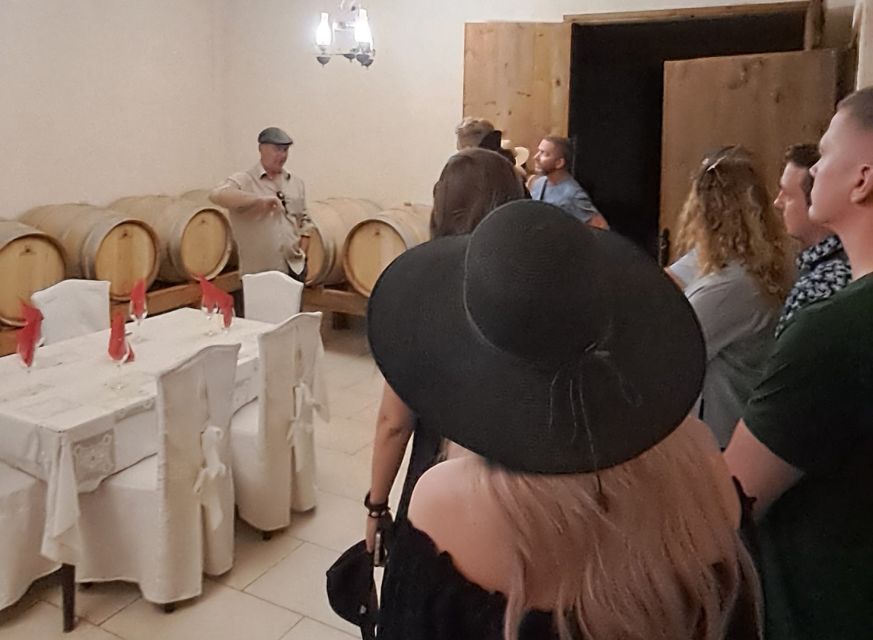
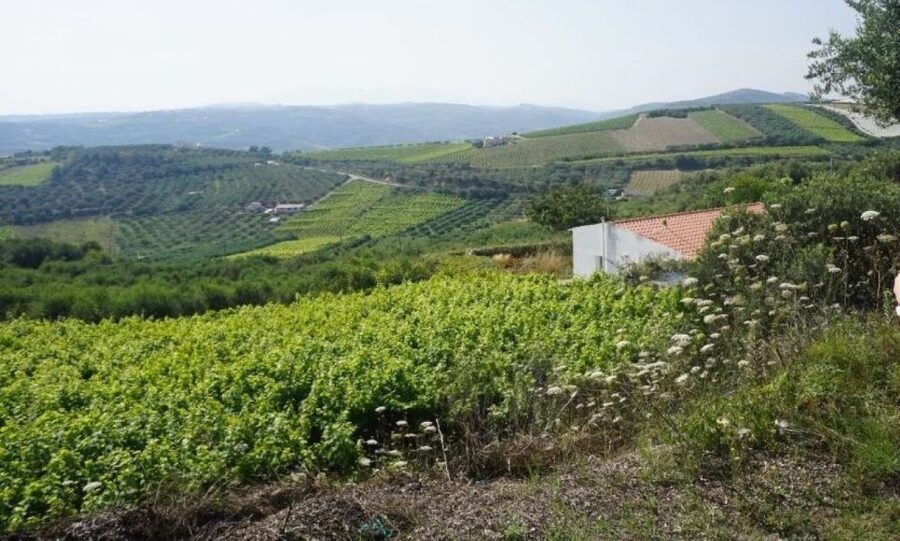
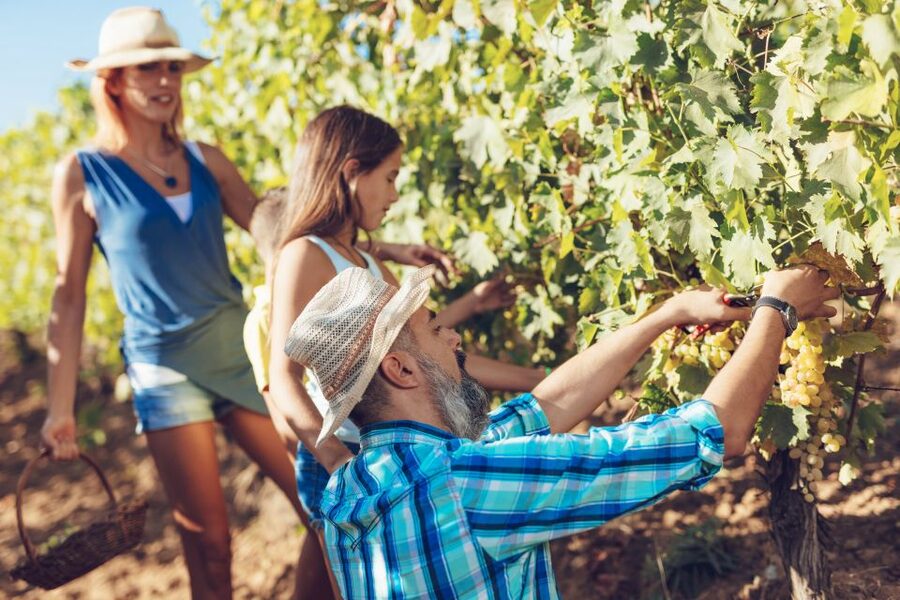
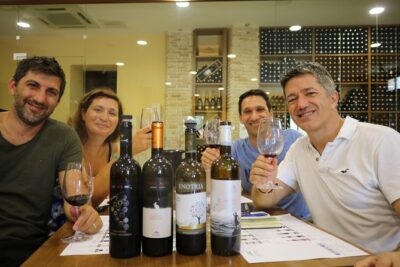
Next comes the family-owned winery stop. You get a guided tour around the vineyards and winery spaces, plus scenic viewpoints on the way. The cultivation approach is described as organic-style, and the whole point is to connect grape growing to what lands in your glass.
You taste 5 wines here. That is enough variety to notice differences in style, not just enough for a token sip. It also keeps the tasting from feeling repetitive.
Two things I like about this part:
- The tour framing helps you understand what you are tasting, even if you are not a wine nerd.
- You get a paced, guided tasting rather than chaos at a counter.
One small consideration: the day is packed, so you are unlikely to have a long, sit-down food and wine pairing lecture. If you care about pairings, ask your guide what goes best with each pour. You can usually get real-world advice from the hosts.
Indigenous grapes grown nowhere else



Raki distillery tour on an ancient wine press, then the flavored fun
Raki is the star spirit here, and the distillery stop is genuinely unique. You visit a raki distillery and learn about how it is made, and there is also an ancient wine press connection that helps explain the local agricultural roots.
Then comes tasting time, including wine and raki tasting in the rakokazano format. This is where you find out raki is not just one flavor. People mention flavored rakis, including lemon raki, and even one described as tasting like Christmas.
If you do not like strong spirits, plan for that upfront. One person noted they do not like raki but still worked their way through the experience. That is your clue that this tour leans into the raki part, so be ready for it.
Practical advice:
- Sip, do not gulp.
- Ask for a smaller pour if you want to stay sharp for later pottery.
- Hydrate. You are outdoors at multiple stops, and the day starts early enough that dehydration can sneak up.
Humor helps too. Several guides steer the group with light conversation, and the raki tends to loosen everyone up in a good way.
Lunch at a local tavern, and how to make it last

Lunch is served at a local tavern, and it is included in the price. Expect traditional food and a generous meal, often described as one of the best meals of the trip.
Some descriptions mention multiple courses, and that makes sense given the day’s pacing. After olive oil and wine tastings, lunch becomes the anchor. It is also a chance to reset your energy before the pottery and village arts stop.
One detail you might find practical: lunch can feel informal and hands-on, especially if you are eating traditional dishes without a lot of fuss. If you are used to a very strict knife-and-fork style, just relax. Your guide will keep things friendly, and the group mood stays easy.
If you need a dietary modification, use the 48-hour contact window. That is your best way to make sure the meal fits you.
Thrapsano pottery workshop in a traditional village, including Sunday limits
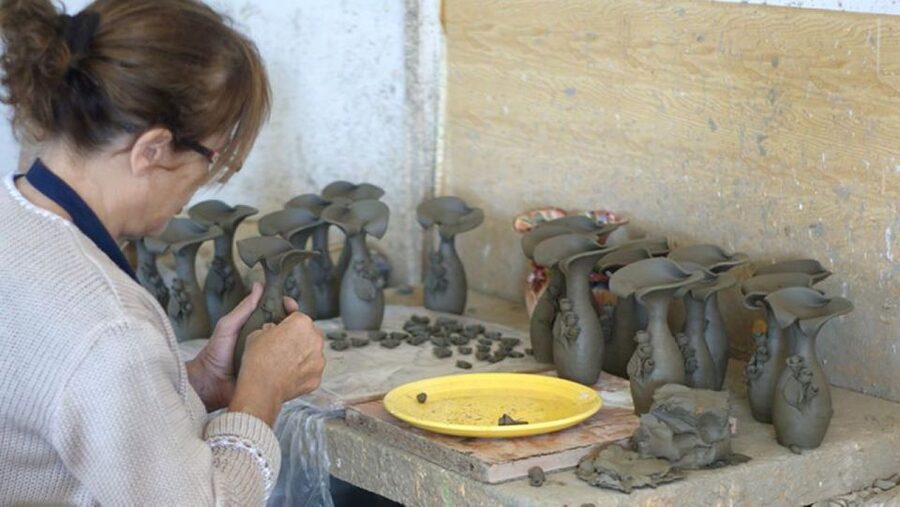
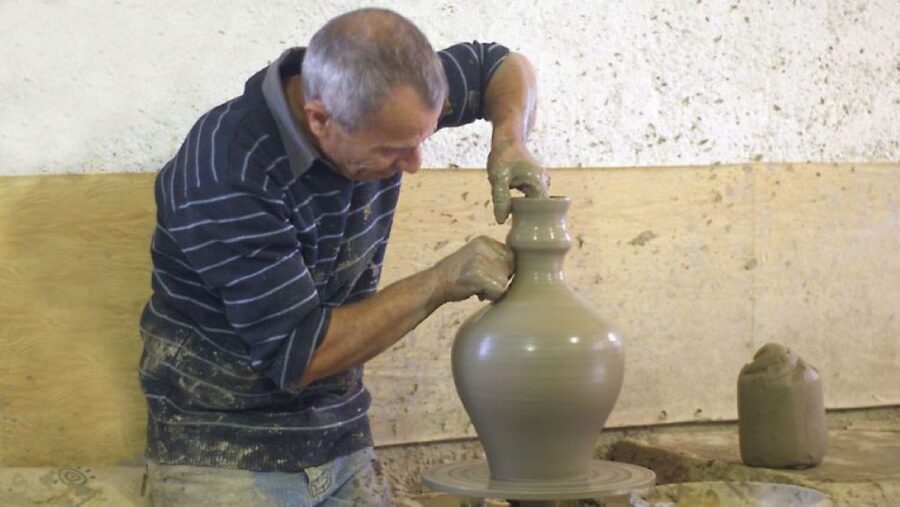
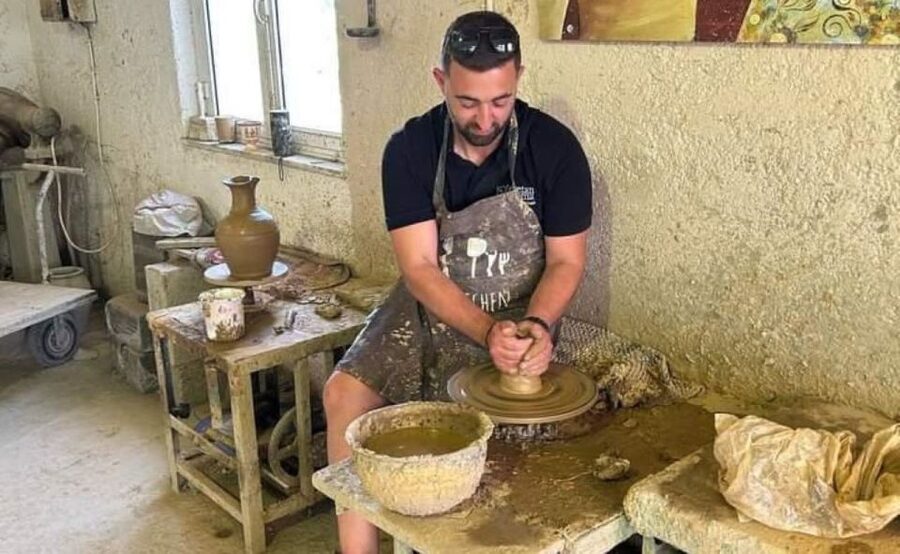
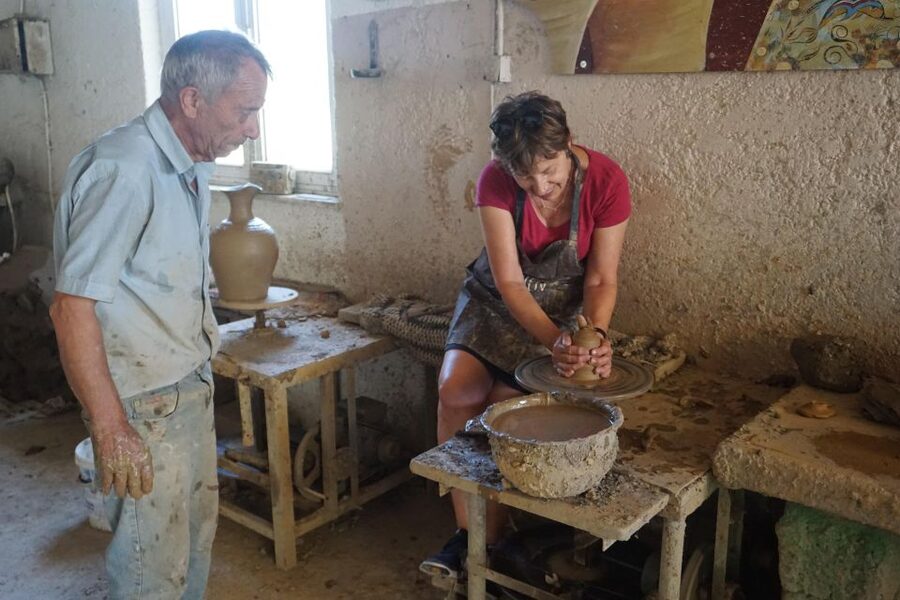
The final creative stop happens in a traditional pottery village, tied to the Thrapsano area. You visit a pottery studio, watch the guided process, and then try your hand at pottery making.
In the workshop experience, people describe wheel-throwing and getting hands-on help. It is a fun finish because it turns the day from “taste and observe” into “make and take part,” even if you only make one small piece.
Big heads-up: the pottery lab is not available on Sundays. If you are traveling on a Sunday, ask before booking, or be prepared for an alternate way the studio segment is handled.
For this part, bring a “work clothes” mindset. You are doing a hands-on art activity, and pottery dust or mess can happen even if the studio is careful.
Price and value: is $141 worth your day?
At $141 per person for about 8 hours, this tour stacks multiple categories into one ticket: transport, guided tours, tastings, and lunch, plus a workshop option. That matters because Crete has a lot of “single-stop” tastings that cost money too, and you would still need transportation and coordination.
Here is how I judge the value in plain terms:
- If you want olive oil, wine, and raki without spending your whole day driving around, the included transport and pickup are a big part of what you pay for.
- If you care about family producers and small-group access, the up to 8 participants limit keeps you from feeling like a crowd at every stop.
- If you want more than drinking, the pottery workshop adds time and variety, and it turns the day into a real experience.
There is also a small “real life” tip from people who have done the day: bring some cash if you plan to buy products. Card payments can sometimes fail when networks go down, and you do not want that moment to ruin your souvenir plans.
Who this tour is best for, and who should think twice
This tour fits best if you want:
- A food and drink focused day with real local producers.
- A small-group vibe where guides like Antonis and George can talk with you, not over you.
- A mix of tasting and activities, with pottery as the hands-on finale.
You might think twice if:
- You do not want multiple tastings over one day. Raki is part of the core experience, and it can be strong.
- You prefer slow travel with long free time. This is a packed schedule with stops that move along.
If alcohol is a no-go for you personally, you can still enjoy parts of the day, especially olive oil and lunch, but the tour is built around wine and raki tastings. Plan honestly.
Should you book this Crete wine, olive oil, raki, and pottery tour?
I think you should book if you want one day that touches the big Cretan pillars, olive oil, wine, raki, and pottery, without the stress of planning and driving yourself. The small-group size, the family-run vibe, and the guided tastings make it feel like you are being shown the island, not dropped in front of a menu.
Book with confidence if you:
- Like tasting multiple products in a guided way.
- Want a hands-on pottery moment at the end.
- Enjoy meeting people from different places around one shared table.
Book only after a quick check if:
- You are traveling on a Sunday and you specifically want the pottery lab segment.
- You have dietary needs, because you should message the operator at least 48 hours ahead.
If you go, do it hungry, drink water, and keep your raki face neutral until you taste the flavored options. Lemon raki can be a surprise, and the day has a funny way of turning first-time sips into late-afternoon stories.
FAQ
How long is the tour?
It lasts about 8 hours.
How many people are in the group?
It is a small group limited to 8 participants.
What tastings are included?
You get wine and raki tastings, including a wine and raki tasting in the rakokazano, plus guided winery and distillery tastings.
Is lunch included?
Yes. Lunch is included at a local tavern.
Do you get to make pottery?
Pottery making is included as an optional studio visit/workshop. The pottery lab is not available on Sundays.
Is pickup and drop-off included?
Yes. The tour includes pickup and return to your accommodation.
What languages are the guides?
The live tour guide speaks English and Greek.
Can I request dietary accommodations?
Yes. Contact the local operator at least 48 hours in advance for dietary requests such as allergies or vegetarian needs.
What is the cancellation window?
You can cancel up to 24 hours in advance for a full refund.
More Food & Drink in Crete

Olive Oil, Straight From the Grove
Recently Published: Crete Tours
- Creta Private Transfer from Heraklion (HER) Airport to Agia Pelagia★ 5.0 · 1 review
- Creta Private Transfer from Heraklion (HER) Airport to Stalís★ 5.0 · 1 review
- VISIT THE MOST FAMOUS PAINTER “EL GRECO” TOUR★ 5.0 · 1 review
- Crete: Balos Beach Viewpoint and Falassrna Beach Day Trip★ 5.0 · 1 review
- Samaria Gorge from Chania with Professional Hiking Guide★ 5.0 · 1 review
- Rethymno Bali & Panormo : Quad Safari & visit Cave 57km 4hours★ 5.0 · 1 review
- Unique wine tasting of organic Cretan wines★ 5.0 · 1 review
- Private Van Tour from Chania to Monasteries★ 5.0 · 1 review
Olive Oil Tastings, compared.
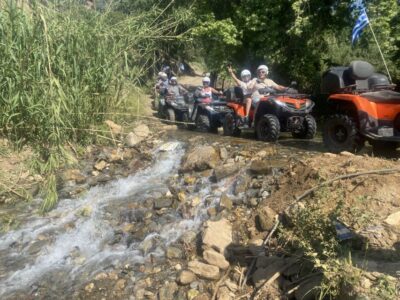
Quad Safari, Olive Mill with Tasting & Ghost Village
Read our review →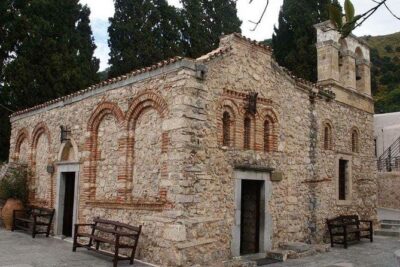
Knossos-Zeus Cave -Old Traditional Villages-Olive Oil Factory
Read our review →

Road-trip to Lasithi, Zeus Cave & Olive Mill Farm
Read our review →
Lassithi, Zeus Cave, Olive Mill Farm & Knossos Combo Tour
Read our review →
Zeus Cave, Lassithi Plateau, Olive Oil Factory, Kritza, Pottery
Read our review →
Browse the lists this tour appears in