
Reviewed · OLIVE OIL TASTINGS
Olive Oil Tasting Tour
Olive oil tasting beats most souvenir shopping. At Koronekes Olive Mill in Epano Archanes, you get taught how olive oil is produced, then you taste 3 qualities of extra virgin olive oil and learn what sets first cold press apart from other methods.
I also love how practical the experience is, from organic olive tree farming talk in the courtyard to seeing the machines up close. The only drawback to know up front is the whole visit is about 1 hour to 1 hour 20 minutes, so it is not a long, wandering countryside outing.
In This Review
- Quick hits for this Koronekes tasting
- Where the tour starts, and what to expect in Epano Archanes
- The olive mill visit: organic farming to the first cold press
- First cold pressed vs cold extraction by centrifuge, explained in plain terms
- The tasting lineup: what you will actually sample
- How they teach you to taste extra virgin olive oil
- Private tour value: small group energy without the big tour stress
- Price and value: is $19.36 worth your time?
- Timing, scheduling, and the best way to fit it into your day
- Who should book the Koronekes olive oil tasting
- Should you book this olive oil tasting tour
- FAQ
- How long is the Olive Oil Tasting Tour?
- Is this a private tour?
- What language is the tour offered in?
- What will I taste during the tour?
- Where is the meeting point?
- Do I get a mobile ticket?
- Are service animals allowed?
- Can I get a full refund if I cancel?
Quick hits for this Koronekes tasting
- Courtyard start, surrounded by olive trees, with organic farming explained before you step inside
- Machine room education, showing how the first cold pressed method works
- Cold extraction by centrifuge, covered as the modern alternative
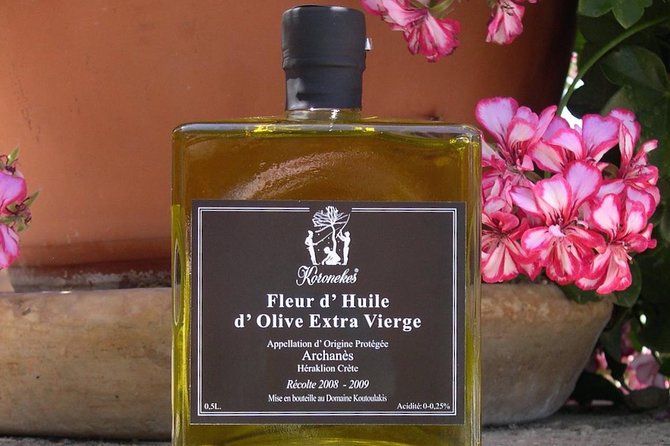
- Guided tasting set, including EVOO (3 qualities) plus flavored oils, sweet vinegar, and petimezi (grape syrup)
- Private, just-your-group format, with room for questions and a personalized pace
- Good English and friendly hosts, plus a famously dog-friendly vibe
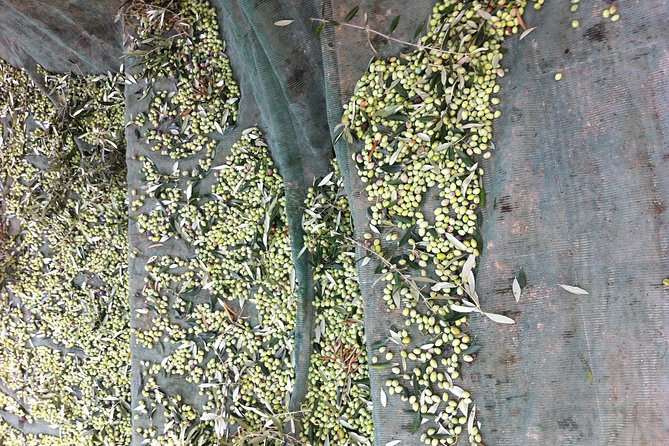
Groves that have produced oil for generations
- Crete: Quad Safari, Olive Mill with Tasting & Ghost Village
★ 4.9 · 1,004 reviews - From Chania: Olive Oil, Wine, Cheese & Honey Tasting Tour
★ 4.6 · 490 reviews - Crete: Road-trip to Lasithi, Zeus Cave & Olive Mill Farm
★ 4.4 · 451 reviews - From Chania: Wine and Olive Oil Tasting Tour with Snacks
★ 4.8 · 354 reviews - The Terra Creta Olive Oil Experience Tour
★ 4.7 · 344 reviews
Where the tour starts, and what to expect in Epano Archanes
This experience is based in Epano Archanes, a classic Crete olive-growing area just outside Heraklion. The meeting point is Koronekes Olive Mill at No street name, Epano Archanes 701 00, Greece, and the tour ends back at the same spot.
What I like about the setup is that you begin outside, in the courtyard, with olive trees all around you. It makes the whole topic feel grounded. Instead of olive oil as an abstract product, you connect it to the trees, the farm choices, and the way olives are handled before they ever reach the mill.
This visit is designed for a wide range of travelers, and service animals are allowed. Since it is a private tour, your group can move at a comfortable pace and ask follow-up questions when something clicks or when you want clarification.
The olive mill visit: organic farming to the first cold press
The tour flow is straightforward and easy to follow. You start with a conversation in the courtyard about organic olive tree farming, which helps you understand why the earlier steps matter. Then you head into the olive mill and move into production.
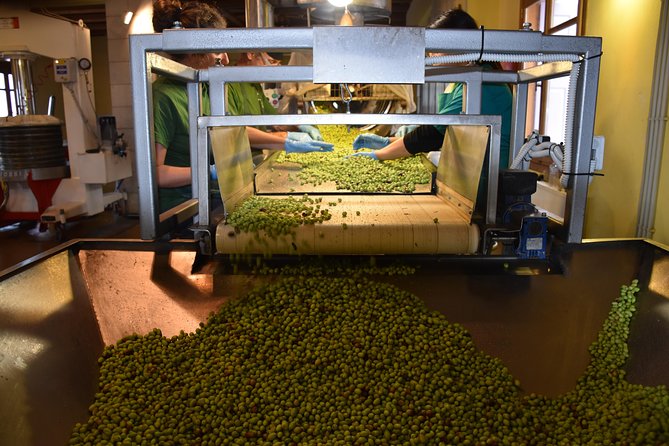
Here is the key educational moment: you learn about the first cold pressed method for producing extra virgin olive oil. The guide explains the process and shows you the machines used in the process, not just the final result in a bottle.
A smart part of the experience is that you get both the method and the reasoning behind it. You do not just hear what happens, you see the equipment involved and learn what the steps are trying to achieve. That makes your tasting more meaningful because you can connect taste to process.
If you like food science, you will enjoy the contrast they lay out with the modern approach too. The tour covers cold extraction using a centrifuge, so you can compare traditional pressing with a faster industrial method.
First cold pressed vs cold extraction by centrifuge, explained in plain terms
Even if you have no background, you can follow what’s happening because the tour keeps returning to one big idea: how olives become oil affects what you taste.
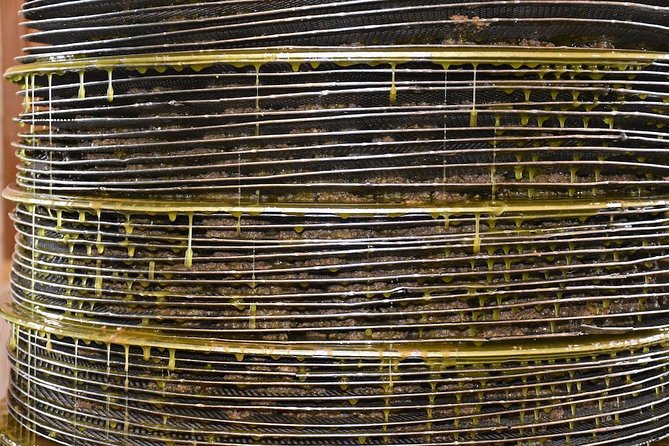
In the first cold pressed method, the focus is on getting extra virgin olive oil while maintaining the quality you expect from an early, careful extraction approach. The guide points out the machinery used and explains the overall concept step by step.
Then the tour addresses the modern alternative, cold extraction with a centrifuge. The centrifuge method is also cold, which matters, but it changes the way the oil is separated. You get to understand it as a different system, not as a vague upgrade.
Why this comparison matters for you: it changes how you interpret the bottles you see later. After you learn the method differences, you are less likely to judge olive oil only by how strong it tastes. You start thinking about production choices, handling, and the quality signals that often show up in aroma and flavor.
The tasting lineup: what you will actually sample
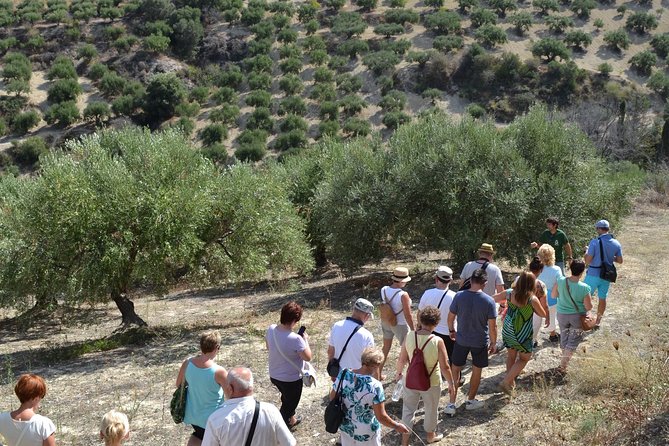
The tasting is the heart of the experience, and it is not a token sip. You sample a structured set that covers both core olive oil categories and sweet and tangy specialty items.
The olive oil tasting includes:
- 3 qualities of extra virgin olive oil
- 2 flavored oils
- a sweet vinegar
- petimezi, a grape syrup
That lineup is useful because it trains your palate. Starting with multiple qualities of extra virgin olive oil helps you notice how variety and quality change flavor. Then the flavored oils give you a chance to compare how added ingredients shift aroma and taste.
The sweet vinegar and petimezi are a nice reminder that Crete’s olive-world is not only about oil in food. Petimezi is made from grape syrup, and it brings a sweet, sticky counterpoint that helps you reset your palate before you taste again.
Practical tip: go slow and pay attention to the differences between oils first, then treat flavored oils and the sweet items as palate training. That way the tasting teaches you something, instead of turning into a quick blur.
How they teach you to taste extra virgin olive oil
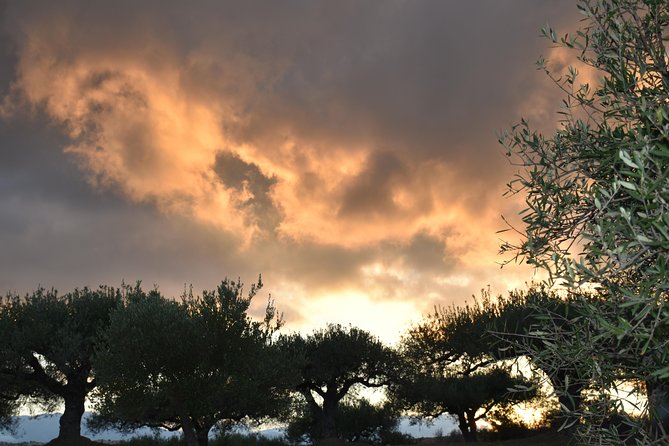
This tour is not just sampling. You learn a tasting approach that makes olive oil less mysterious.
You get guidance on how to taste and how to identify extra virgin olive oil, then you are encouraged to ask questions. The tone is friendly and approachable, and the pace is designed so you are not left guessing what you are supposed to notice.
One of the most highly valued parts of this type of tasting is clarity: you want to know what good extra virgin oil can taste like, and how to recognize quality signals. Here, the explanations connect directly back to the production story you heard earlier, from organic farming through pressing and extraction.
You’ll likely pick up a simple habit: taste, pause, compare, then taste again. It sounds basic, but that rhythm is what helps you learn. After an hour like this, you usually leave with a stronger sense of what you want when you’re shopping later.
Also, this is private, so you are not forced into a loud, rushed room. Your questions can stay on topic, and you can ask for clarifications without feeling like you’re holding up a big crowd.
Plenty else to see around Crete


Private tour value: small group energy without the big tour stress
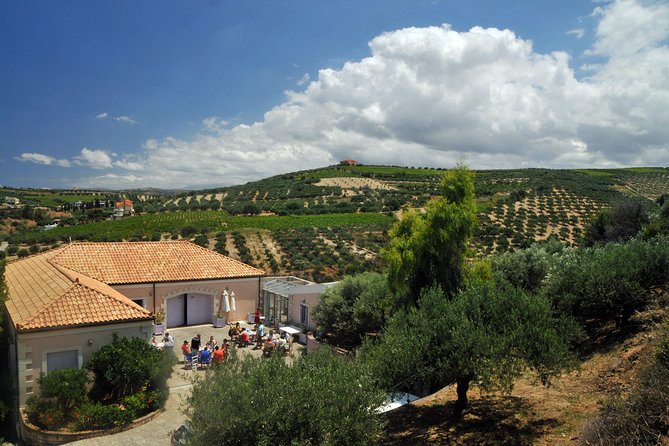
This is listed as a private tour, meaning only your group participates. That matters more than people think.
On a private olive oil tasting, you can:
- ask follow-up questions when the guide explains the machines
- request slower pacing if you want to taste and compare carefully
- stay focused on your interests, like how extra virgin oil is identified
Some tours feel like a checklist. This one feels more like a conversation with a production-minded host. And the olive oil people you meet here take pride in their craft.
One theme you can take away from the experience is the emphasis on hand sorting olives and pressing instead of relying only on the faster commercial centrifuge approach. Even though you learn about centrifuge as a method, the overall message is that labor-intensive steps can support higher quality. That is a good lens to keep in mind when comparing olive oils in stores later.
Price and value: is $19.36 worth your time?
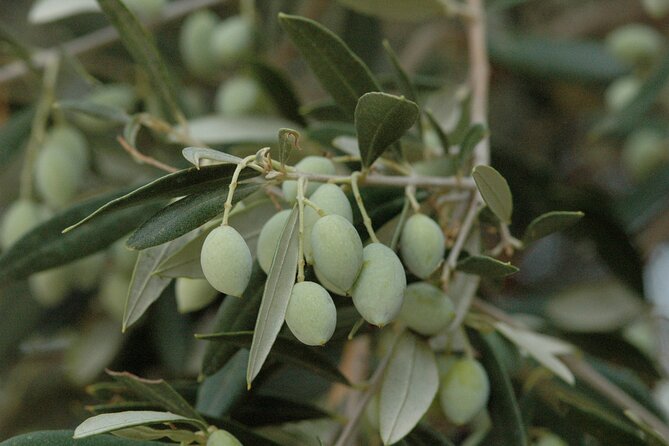
At about $19.36 per person for roughly 1 hour to 1 hour 20 minutes, this is priced like an approachable food experience, not a high-end tasting event.
The value comes from three things you get for that time:
- Instruction, including how olive oil is produced and how to taste it
- A real tasting set, not just one oil
- Admission included (at least for the mill visit portion), so you are not paying separately for entry
If you love food and want to understand what you’re buying, this price can feel fair fast. You are paying for time with hosts who explain both traditional first cold pressing and the centrifuge method, then guide you through a multi-item tasting.
If you are expecting an all-day tour with multiple stops and long transfers, you may feel it is short. But if you want a focused, high-impact Crete food moment, this fits the bill.
Timing, scheduling, and the best way to fit it into your day
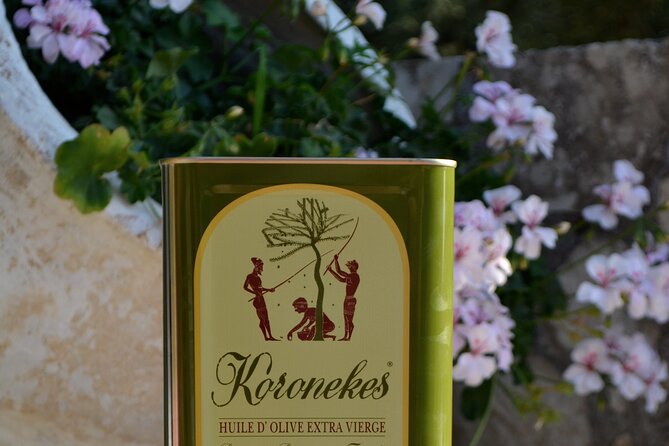
You can choose from different tour times, which is handy if your Crete days run on shifting schedules. The whole experience runs about 1 hour to 1 hour 20 minutes, so you can pair it with other nearby activities in the Heraklion area.
Because the tour ends back at the meeting point, you do not have to plan for a drop-off somewhere else. That makes it easier to plug into a day, whether you are doing museums, markets, or a drive through the olive and wine growing region.
Practical planning idea: schedule it when you are mentally fresh. Tasting works best when you are not rushed, not overly hungry, and not already overloaded with flavors. If you do it near a meal, you might lose some nuance. If you do it when you can slow down, you will learn more.
Who should book the Koronekes olive oil tasting
Book this if you want a hands-on food education in Crete, with a guided tasting that teaches you how to notice differences. It’s especially appealing if:
- you plan to buy olive oil and want better buying instincts
- you enjoy learning how production methods connect to taste
- you travel in a group that wants private attention
Families can often do well because the overall visit is short and structured. Service animals are allowed too. And if you like animals, you may enjoy the fact that the experience is described as dog-friendly.
If you want only a quick sample, this might feel like more work than you expected, because you are taught how to taste and identify extra virgin olive oil. But that is exactly why it scores so well for people who care about quality.
Should you book this olive oil tasting tour
Yes, I would book it if you want a focused Crete experience that teaches you something you can use. The private format plus the machine-room explanations plus the tasting set make it a strong value for the price.
Skip it only if you are set on a longer, sightseeing-style tour with lots of wandering stops. This is centered on the mill and the product, and that is the point. For learning olive oil, it’s hard to beat.
If you do book, go in with one simple goal: learn how to taste extra virgin olive oil confidently. You’ll leave with a better sense of what to look for, and you’ll enjoy the flavors more because you know what each step is trying to create.
FAQ
How long is the Olive Oil Tasting Tour?
It lasts about 1 hour to 1 hour 20 minutes.
Is this a private tour?
Yes. It is a private tour, and only your group participates.
What language is the tour offered in?
The tour is offered in English.
What will I taste during the tour?
You will taste 3 qualities of extra virgin olive oil, 2 flavoured oils, a sweet vinegar, and petimezi (grape syrup).
Where is the meeting point?
The meeting point is Koronekes Olive Mill, No street name, Epano Archanes 701 00, Greece. The tour ends back at the meeting point.
Do I get a mobile ticket?
Yes, the tour includes a mobile ticket.
Are service animals allowed?
Yes, service animals are allowed.
Can I get a full refund if I cancel?
You can cancel for a full refund up to 24 hours in advance of the experience start time. If you cancel less than 24 hours before, you would not receive a refund.
Recently Published: Crete Tours
- Creta Private Transfer from Heraklion (HER) Airport to Agia Pelagia★ 5.0 · 1 review
- Creta Private Transfer from Heraklion (HER) Airport to Stalís★ 5.0 · 1 review
- Crete: Balos Beach Viewpoint and Falassrna Beach Day Trip★ 5.0 · 1 review
- VISIT THE MOST FAMOUS PAINTER “EL GRECO” TOUR★ 5.0 · 1 review
- Samaria Gorge from Chania with Professional Hiking Guide★ 5.0 · 1 review
- Rethymno Bali & Panormo : Quad Safari & visit Cave 57km 4hours★ 5.0 · 1 review
- Unique wine tasting of organic Cretan wines★ 5.0 · 1 review
- Hersonissos: Private Sunset Catamaran Cruise, Snack & Drinks★ 5.0 · 1 review
Olive Oil Tastings, compared.
Quad Safari, Olive Mill with Tasting & Ghost Village
Read our review →
Knossos-Zeus Cave -Old Traditional Villages-Olive Oil Factory
Read our review →

Road-trip to Lasithi, Zeus Cave & Olive Mill Farm
Read our review →
Lassithi, Zeus Cave, Olive Mill Farm & Knossos Combo Tour
Read our review →
Zeus Cave, Lassithi Plateau, Olive Oil Factory, Kritza, Pottery
Read our review →
Browse the lists this tour appears in