
Reviewed · CRETAN FOOD TOURS
From Chania: The Ultimate Food Tour Of Chania Villages
Cretan food is a full day lesson. This tour takes you through East Chania village life, with stops built around real olive oil production, not just pretty plates. You’ll taste your way across olive groves, traditional workshops, and family businesses in the Apokoronas area, plus get stories you can actually use when you shop or eat on your own.
I particularly like the way the day moves from craft to kitchen, starting at an olive mill and ending with a traditional lunch you’ll want to recreate at home. Along the way you get serious product explanations, then you taste the results, including olive oil, raki, bread, cookies, cheese, honey, and more. If you enjoy learning by eating, this is set up to work.
One thing to consider: even with an English speaking guide, some owners you meet may speak English with heavy accents, which can make parts of the explanation harder to follow. You’ll still catch the basics, but it helps to have a bit of patience and curiosity.
In This Review
- Key things to know before you go
- East Chania by the spoonful: what this food tour really delivers
- The olive mill start: where extra virgin flavor begins
- Raki and tsikoudia production: a spirit lesson with a tasting payoff
- Embrosneros bakery: bread and cookies, plus the real risk
- The cheese factory stop: Graviera, Anthotiros, Mizithra, and how they taste together
- Fres lunch at a kafeneio: how Cretans eat when no one is watching
- Price and value: what $135 buys you in the real world
- Logistics that affect your comfort: pickup, timing, and language
- Who should book this food tour, and who might not
- Should you book the Ultimate Food Tour of Chania Villages?
- FAQ
- How long is the Chania villages food tour?
- What does the tour cost?
- Where does pickup happen?
- Is hotel pickup and drop-off included?
- What languages are offered for the guide?
- What is included in the tastings and meal?
- Are extra drinks or snacks included?
- What should I try to eat or taste on the tour?
- What is the timing rule for pickup?
- Is there free cancellation?
Key things to know before you go
- Production first, tasting second, starting with a visit to a local olive mill
- Raki, or tsikoudia, explained through both a traditional and a more professional distillery-style process
- Cheese tasting with context, including Graviera, Anthotiros, and Mizithra, served with honey and rusk
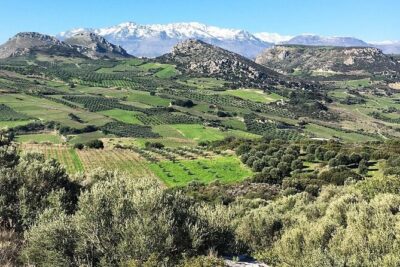
- Village stops you can’t easily reach alone, including the White Mountains foothills area
- A real village-meal finish at a kafeneio setting in the square of Fres
- Guides make the difference, with past groups led by people like Maria, Andres, and Yannis
Snails, dakos, and cheese you won't find shipped out
- Walking “Food tasting tour” in the town of Chania
★ 5.0 · 297 reviews - The Delicious Chania Street Food Tour
★ 5.0 · 138 reviews - Chania Area: Food Tasting Tour with Winery Visit
★ 4.4 · 99 reviews - Sunset Craft Beer & Food Tour – Chania Old Port
★ 5.0 · 86 reviews - Chania: Wine, Food, and Sunset Tour with 3-Course Dinner
★ 4.9 · 77 reviews
East Chania by the spoonful: what this food tour really delivers
This is not a stop-and-sprint sampler. It’s a structured 6-hour walk through how Cretans turn local ingredients into everyday foods they actually serve, share, and sell. You start with the backbone of the island, extra virgin olive oil, then move into spirits, cheese, bread, and a traditional village lunch.
What makes it work for you is the pacing. Each stop has a job: explain, demonstrate, then taste. By the time you reach the bakery and cheese factory, you’re not just eating. You understand what you’re looking for, the flavors behind the words, and why one product can taste different from another even when both come from the same region.
The vibe tends to be friendly and relaxed. Several guides have been praised for making the day feel interesting without turning it into a lecture. If you get Maria, Andres, or Yannis, expect attentive storytelling and a good sense of humor that keeps the group moving at a human pace.
The olive mill start: where extra virgin flavor begins
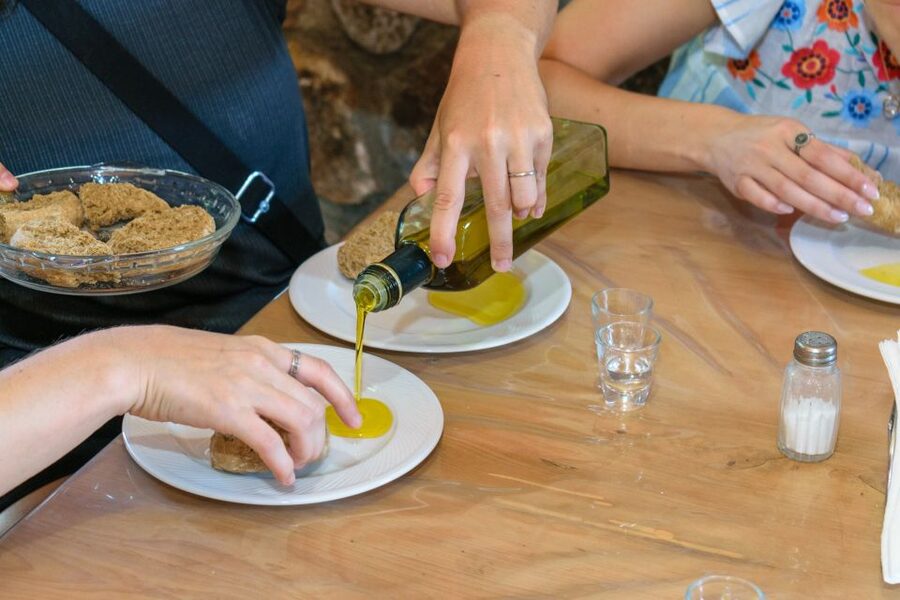
The day kicks off at a local olive mill, and that opening matters. Olive oil is the ingredient that shows up everywhere in Crete, but most visitors only taste it once or twice and then forget to look for the differences. Here, you get the full chain of understanding, from harvesting to the pressing and what makes it extra virgin.
In practical terms, you’ll learn what to pay attention to when you taste later, like how olive oil can feel grassy, fruity, or peppery, and how those impressions connect back to the process. Even if you don’t speak the technical language, the tour’s goal is simple: connect the production steps to flavor.
This is also where the tour tends to feel most grounding. You’re standing in the real working environment, not in a showroom. It’s a strong first chapter for your day, and it sets you up to enjoy the rest of the tastings instead of just hopping from one snack to another.
Raki and tsikoudia production: a spirit lesson with a tasting payoff
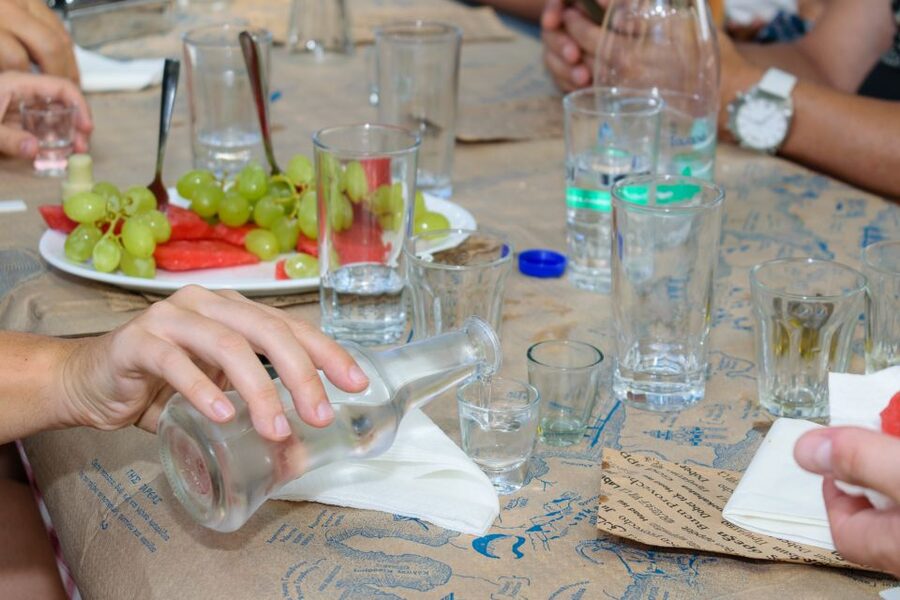
Next comes the Cretan spirit stop, tsikoudia, often called raki. You’ll visit a local distillery in a traditional village, and the tour includes two perspectives on production: a time-honored conventional process and a more contemporary professional approach.
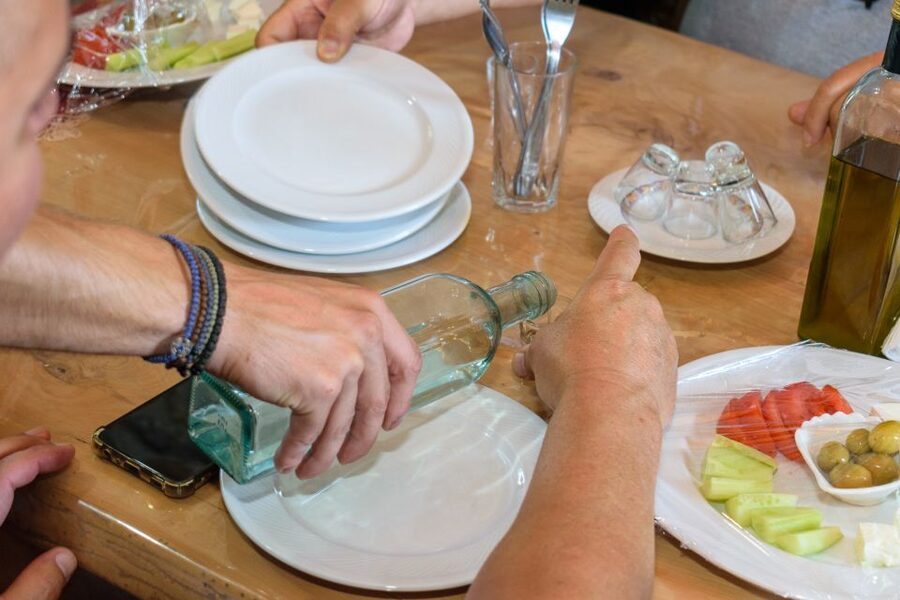
Why that’s valuable: it gives you a sense that traditional doesn’t mean frozen in time. It can coexist with practical improvements. You’ll also get the context for what you’re tasting, so raki stops being just a strong sip and becomes a named part of Cretan daily culture, from celebrations to after-meal moments.
Then there’s the tasting session. This is the point where your brain catches up to your senses. When you know the basics of how a spirit is made, the taste becomes more specific, and you’ll understand what people mean when they describe styles or intensity.
Embrosneros bakery: bread and cookies, plus the real risk
After the distillery stop, the route carries you through village driving in the Apokoronas province and into the foothills area near the White Mountains. The tour uses the roads to give you a sense of place, not just to get you from A to B.
One stop you should mentally budget for is Embrosneros, where you’ll taste local bread and also sample cookies and biscuits. This is where the tour aims for comfort-food authenticity. You’ll get the kind of baked goods that show up at village tables and family gatherings.
Here’s the one caution based on experience from past participants: at the bakery, the tasting portion can feel light for some people. One group noted that the sweet sample was small, with only one chocolate cookie offered. If you’re arriving with a big sweet tooth, keep your expectations for bakery sampling realistic.
The cheese factory stop: Graviera, Anthotiros, Mizithra, and how they taste together
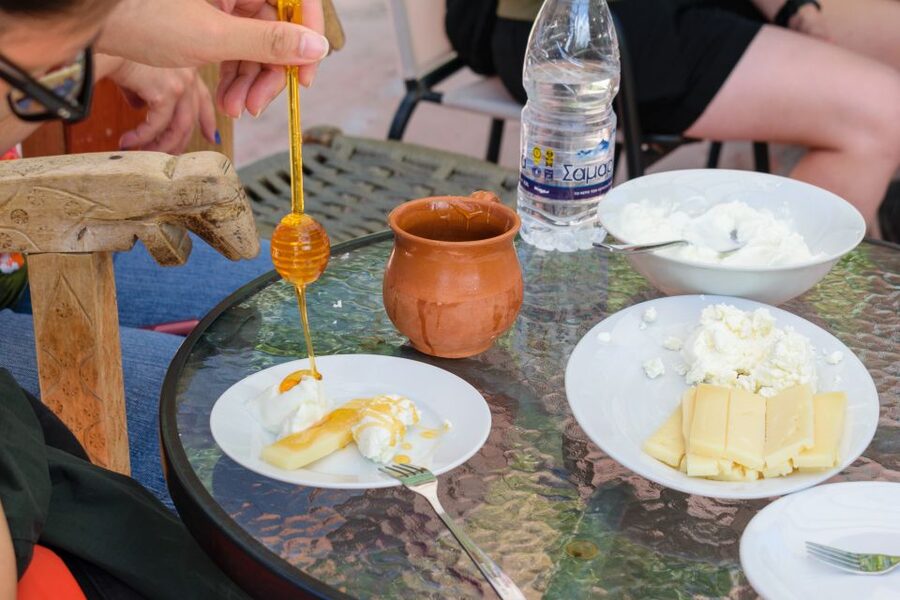
The cheese factory visit is one of the highest-value parts of the day because it combines three cheeses plus a serving style that makes the flavors easier to notice.
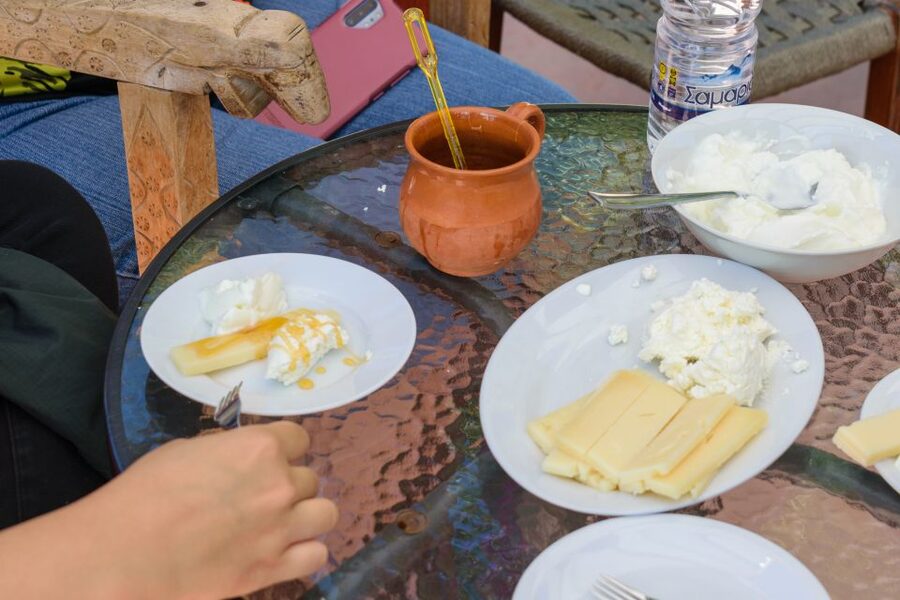
You’ll learn the production secrets of Graviera, Anthotiros, and Mizithra, with explanations given in front of your eyes rather than through a printed menu. Then you taste them, not as a random assortment, but as a designed progression. The cheeses come with local honey and rusk, a dry bread that works like a flavor sponge and texture anchor.
That pairing is smart for you because it prevents cheese tasting from becoming one long, similar flavor moment. Honey adds sweetness and a floral edge, while rusk brings crunch and a sturdier base. Together, you get contrast, which makes it easier to remember what you like when you’re later standing in a shop back in Chania.
If you’re buying gifts or ingredients, this stop is especially practical. You’ll leave with a clearer idea of which cheese style matches your palate, rather than buying based on name alone.
Mountain villages where the pace drops
Fres lunch at a kafeneio: how Cretans eat when no one is watching
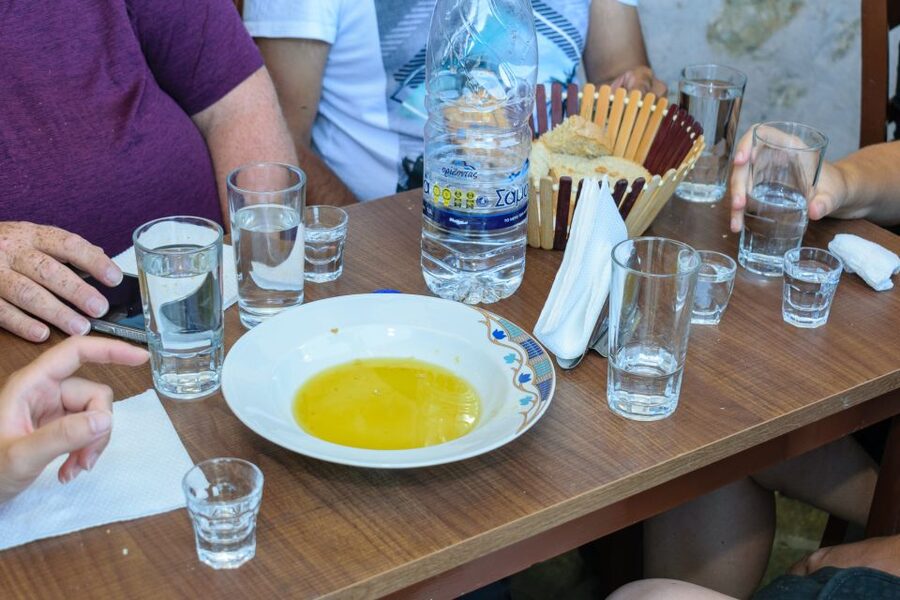
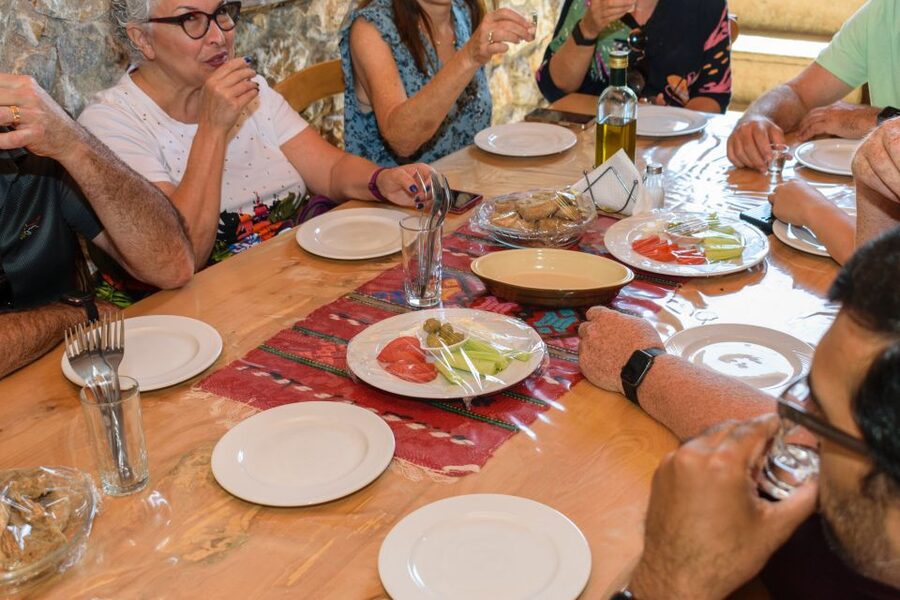
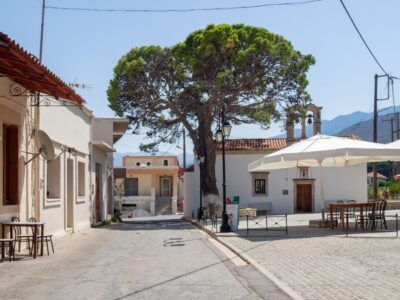
The final food stop is a local coffee shop, or kafeneio, where locals also eat. After all the production talk, this part shifts toward everyday rhythm. The last part of the day happens in the village of Fres, in a charming square setting.
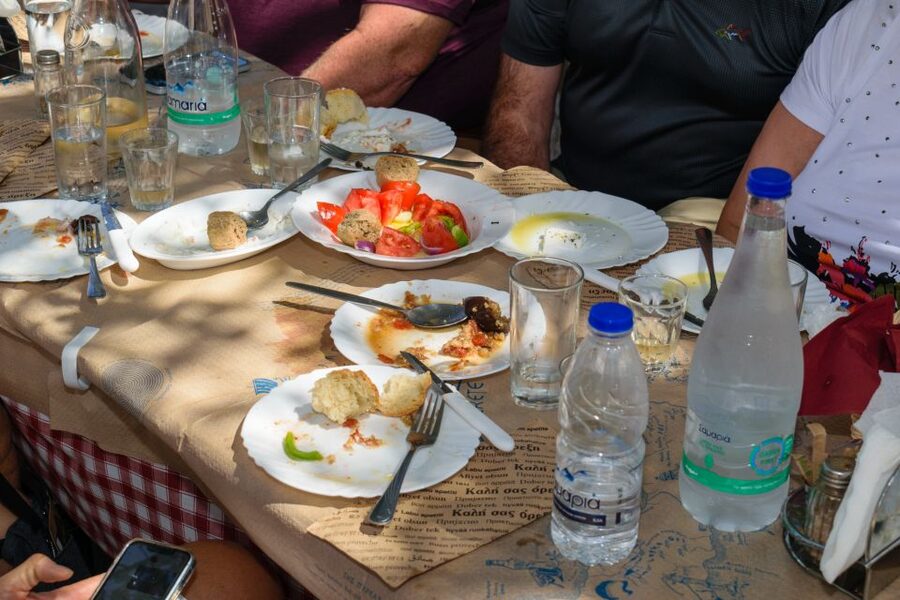
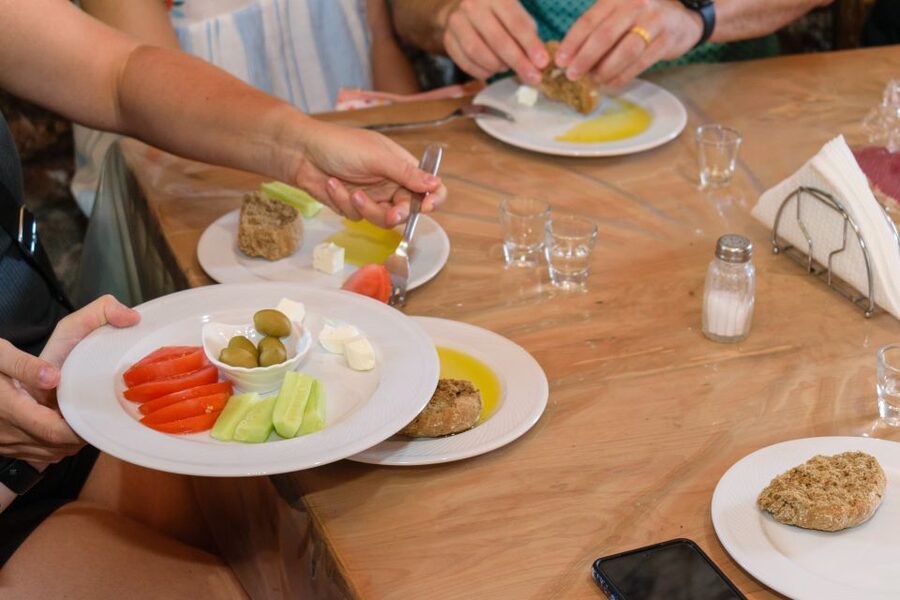
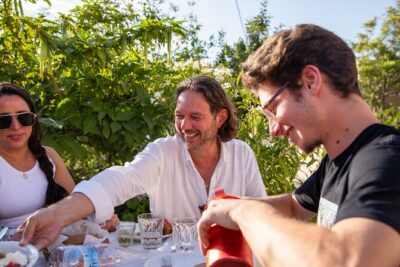
You’ll have the customary lunch, described as traditional Cretan cuisine. The key point for your planning is that lunch here is included, meaning you’re not forced to make extra food decisions during the middle of a long day. You can focus on eating and talking instead of scanning menus.
In some past departures, the lunch portion and quality got praise for being both traditional and enough to feel like a proper meal, not a token finale. Expect flavors that are familiar to Mediterranean fans, but with the Cretan flavor style that comes from local ingredients and simple cooking.
If rain happens, as it can on Crete, the day can still work. One group reported a great experience even with rainy weather, which matters if you’re traveling in shoulder season. The core visits still happen because the tour is built around indoor production and village stops.
Price and value: what $135 buys you in the real world
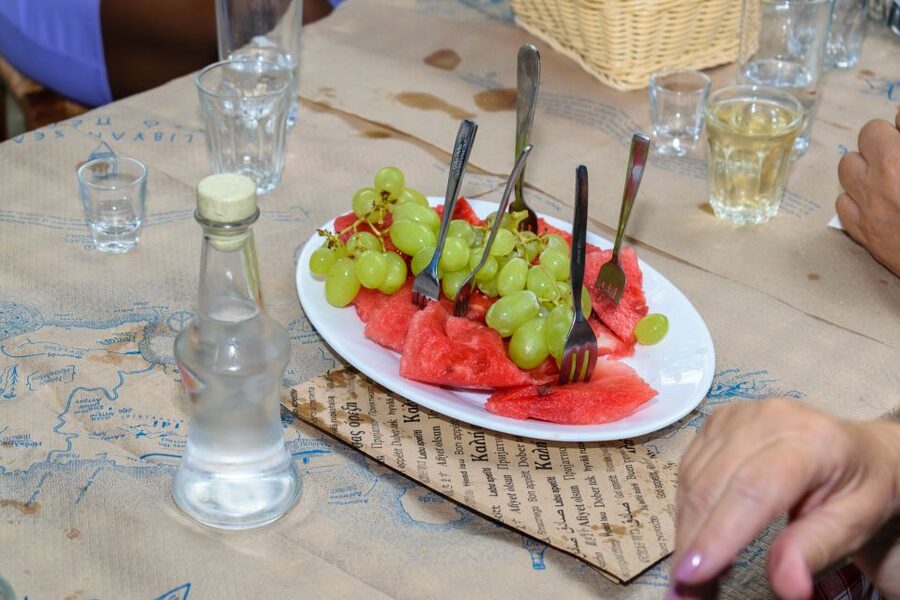
At $135 per person for about 6 hours, this tour isn’t trying to be the cheapest option. So the question is value, not sticker shock.
Here’s what you get for that price:
- Hotel pickup and drop-off within the Chania region
- Transport by air-conditioned minibus or minivan
- An English speaking local driver or escort
- All tours and tastings
- Bottled water per person
- A traditional Cretan lunch
- All taxes, fees, and handling charges
That bundle matters because it removes three common travel headaches. First, you don’t have to arrange transport to scattered villages in Apokoronas. Second, you don’t have to pay separately for each tasting moment. Third, you get someone local to translate the “why” behind the “what.”
Where you might feel it more is if you compare against self-guided food stops, because you are paying for structure and access. But if your goal is to learn production basics and taste multiple local specialties in one day, the pricing is easier to justify.
Also note what’s not included: additional food and drinks. That means you’ll likely want to bring a light appetite for the included tastings, and then decide on extra purchases only if you truly want more.
Logistics that affect your comfort: pickup, timing, and language
Pickup is included, but only within the Chania region. If your hotel is outside that area, the tour asks you to contact the provider for arrangements.
The timing rule is straightforward. You should wait outside the meeting point about 10 minutes before your scheduled pickup time. Then the driver waits no longer than 5 minutes after the scheduled pickup time. If you’re slow getting downstairs, you can miss the bus.
Inside the van, the day is guided in English. The guide quality seems to be a strong point, with people like Maria, Andres, and Yannis showing up in past groups. Still, keep in mind that owners at family businesses might have English with strong accents. You can lose some details, but the tastings and production visuals usually do most of the heavy lifting.
And yes, you should dress for village weather. The tour is outdoors during the travel between stops and in village settings, then indoors or semi-covered at production sites. Bring a light layer and plan to walk a bit.
Who should book this food tour, and who might not
Book it if you:
- Want more than eating, meaning you care about how ingredients are made
- Like tasting multiple foods together, especially olive oil, raki, cheese, and bread
- Enjoy meeting small family businesses and hearing how locals talk about their products
- Prefer a day with structure, pickup, and a clear end point (lunch and then back to Chania)
You might skip it or choose carefully if you:
- Already did a very similar Chania villages tour, because some routes and village contexts can overlap
- Expect huge snack quantities at every stop, especially at the bakery where sweet samples can feel small
- Know you’ll be very frustrated by accented English explanations from shop owners, since that can happen even when the guide speaks good English
Should you book the Ultimate Food Tour of Chania Villages?
If you’re in Chania and you want a food day that actually teaches you something, I’d book it. The standout advantage is the combination of production visits and tastings in villages you’d likely miss on your own. It’s a smart way to understand why Crete’s flavors taste the way they do, and to leave with a better sense of what to buy back in town.
Just go in with the right mindset. This is a 6-hour, full-flavor day with lots of samples and stories, not a long, free-form wander where you control every minute. If you like that tradeoff, you’ll likely have an easy, memorable experience.
FAQ
How long is the Chania villages food tour?
The tour lasts 6 hours.
What does the tour cost?
The price is $135 per person.
Where does pickup happen?
Pickup points are within the Chania region.
Is hotel pickup and drop-off included?
Yes. Hotel pick-up and drop-off are included.
What languages are offered for the guide?
The tour has an English speaking local driver or escort.
What is included in the tastings and meal?
The tour includes all tours and tastings, plus a traditional Cretan lunch. Bottled water per person is also included.
Are extra drinks or snacks included?
No. Additional food and drinks are not included.
What should I try to eat or taste on the tour?
You’ll taste Cretan olive oil, raki, cheese (Graviera, Anthotiros, Mizithra), honey, rusk, bread, cookies, and biscuits, plus lunch.
What is the timing rule for pickup?
Wait outside the meeting point 10 minutes before your scheduled pickup time. The driver waits no longer than 5 minutes after the scheduled pickup time.
Is there free cancellation?
Yes. You can cancel up to 24 hours in advance for a full refund.
More Food & Drink in Chania
Recently Published: Chania Tours
- Elafonisi Pink Sand Beach | Private Day Trip from Heraklion★ 5.0 · 1 review
- Samaria Long Way from Rethymno★ 5.0 · 1 review
- Kayaking or River trekking or Rafting- kiliaris activities chania★ 5.0 · 1 review
- Chania Old Town, Ancient Olive Tree&Theriso Village Private Tour★ 5.0 · 1 review
- Private Tour From Chania Area to Rethymno and Arkadi Monastery★ 4.0 · 1 review
- Private Driver & Chauffeur Service in Crete from Chania★ 5.0 · 1 review
- From Chania: Imbros Gorge Hike&Authentic Culinary Experience★ 5.0 · 1 review
- Minoan Luxuries: Ancient Palaces, Messara Wine Routes & Matala★ 5.0 · 1 review
Cretan Food Tours, compared.
Old Town Highlights Guided Tour with Street Food
Read our review →
Walking “Food tasting tour” in the town of Chania
Read our review →
Full-Day Cretan Wines, Olive Oil, Raki and Food Tour
Read our review →
Olive Oil, Soap, Wine, Raki – Flavorful Culinary Journey
Read our review →
E-Bike Food Tour – Discover the Flavors of Crete
Read our review →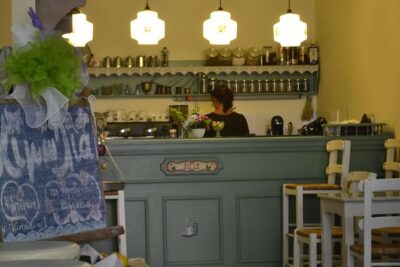
Browse the lists this tour appears in