
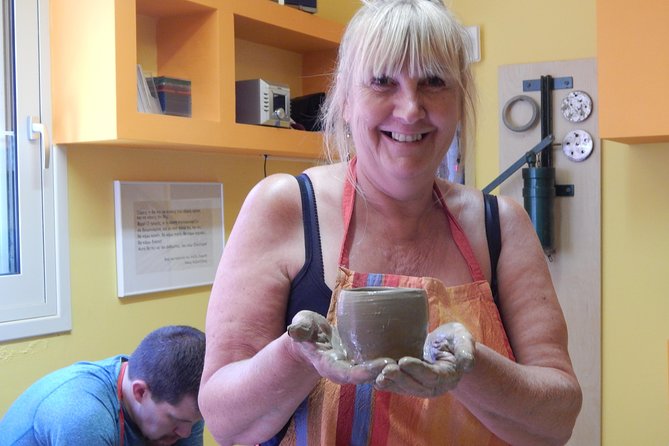
Reviewed · POTTERY WORKSHOPS
Koumoulia Ceramics / Ceramics courses
Clay turns into something you can use, but only after a few days. That mix of making and waiting is what makes this Koumoulia Ceramics class feel different from a quick souvenir stop. You get a short workshop tour, then time to form your own pieces by hand or on the wheel.
I like two things most: the small group size (up to 5) keeps the class feeling personal, and you learn practical pottery steps instead of just watching. One drawback to consider up front: you are not taking home finished, fired ceramics the same day, and the second firing and shipping can change the real cost.
In This Review
- Key Things I’d Tell a Friend Before You Go
- A 3 PM Pottery Class That Uses Time Like a Tool
- The Workshop Tour: How Your Piece Actually Becomes Real
- Hands-On Time: Wheel and By-Hand Techniques You Can Actually Use
- Rouvas Gorge and Knossos Stops: Why This Afternoon Feels Like More Than Clay
- Timing Reality Check: Drying Takes Days, Glazing Can Add More
- Price and Value: What $96.11 Really Buys You
- Pickup or Shipping: The Common Friction Point
- Group Size and English Instruction: Comfort Matters
- What the Reviews Make Clear: Fun, Skill, and One Delivery Warning
- Who This Works Best For (And Who Might Want a Different Plan)
- Should You Book Koumoulia Ceramics and These Afternoon Stops?
- FAQ
- FAQ
- How long is the pottery course?
- What time does the experience start, and where does it end?
- Is it offered in English?
- How many people are in the group?
- Do I take the finished pottery home right away?
- Can I ship my ceramics overseas, and is that extra?
- Is the experience refundable if plans change?
Key Things I’d Tell a Friend Before You Go
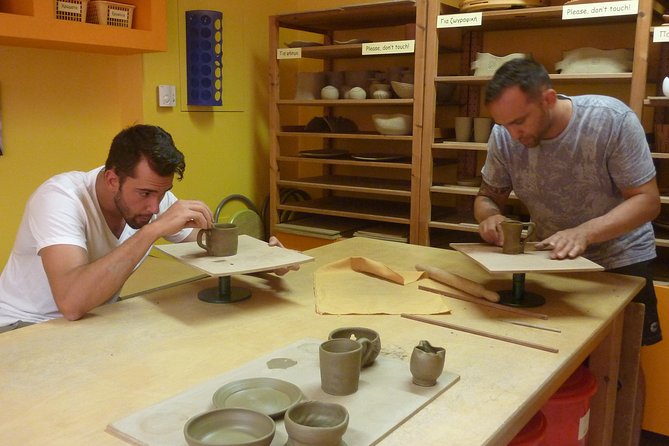
- Small group, real attention: with a maximum of 5 people, it is easier to get help as you work on the clay.
- Workshop stage walkthrough: you start with a quick guided tour explaining how clay moves from mass to usable object.
- Hand + wheel instruction: you can try techniques suited to both building by hand and working on the wheel.
- Plan for drying and firing time: your creations need days to dry, and the optional glaze involves another bake.
- Expect a practical timing gap: you will likely arrange pickup or shipping after the ceramics are ready, not during the 2-hour session.
Shape clay the way Cretan potters have for centuries
- Knossos Palace and Pottery experience. Excursion Safari
★ 4.7 · 21 reviews - Crete: Cretan Culture Tour and Pottery Workshop
★ 4.4 · 18 reviews - Pottery Village of Margarites – The monastery of Arkadi & The Gorge of Patsos
★ 5.0 · 16 reviews - Crete: Margarites, Rethymnon, Argyroupoli Full-Day Tour
★ 5.0 · 6 reviews - Private Rethymno Oil and Honey Tasting Pottery at Margarites
★ 5.0 · 1 review
A 3 PM Pottery Class That Uses Time Like a Tool
This is the kind of activity that makes sense if you like doing things properly. The class runs about 2 hours in the afternoon, starting at 3:00 pm, and you return to the same meeting point when it ends. You are not just getting a demo. You get making time in a workshop setting, guided step by step.
What surprised me in a good way is how the experience is framed around the clay process, not just the final product. You begin with a quick tour of the workshop and an explanation of the stages your piece goes through to become something usable. That matters because it changes how you handle the clay. You stop treating it like playtime and start treating it like a real craft with real steps.
Also, this setup fits you if you want an afternoon plan that is both creative and grounded in local workshop life. You are in Crete, so you get a taste of the island beyond beaches and bus rides. And the group stays small, so it does not feel like a factory line for tourists.
The Workshop Tour: How Your Piece Actually Becomes Real
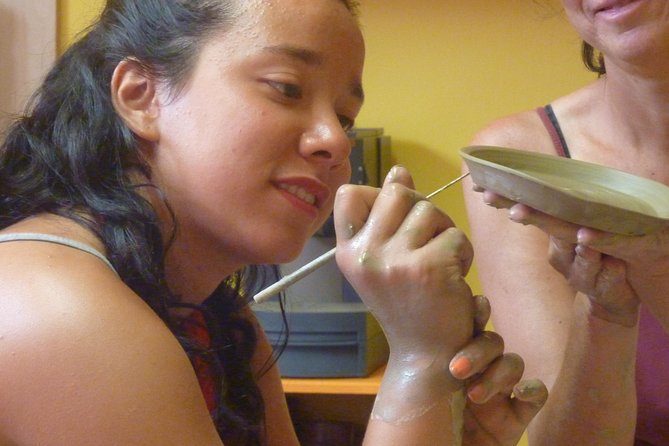
Right at the start, you get a quick guided look around the pottery workshop. Then the instructor walks you through the stages clay goes through, from an amorphous mass to a finished object. That explanation is not just for fun trivia. It is practical information that helps you understand what your piece will need later.
Here is why you should care: clay work punishes impatience later. If you build something thick or awkward, it may dry unevenly. If you rush glazing decisions, it can affect the results after the firing. Even if you are a total beginner, knowing that there are stages ahead helps you make better choices right now.
The workshop tour also sets expectations about what you will and will not control on the day. You can shape and decorate during the class, but drying and baking depend on the workshop process and the weather. You are basically starting the project, then letting time and firing do the heavy lifting.
Hands-On Time: Wheel and By-Hand Techniques You Can Actually Use
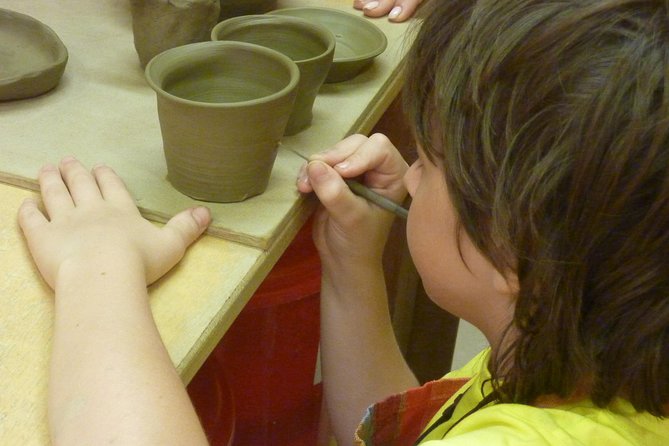
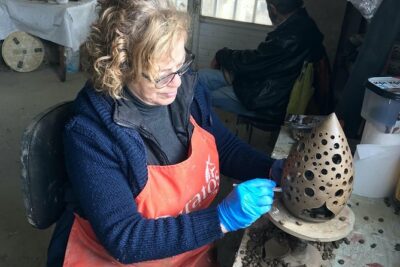
After the workshop tour, you switch into making mode. The focus is on techniques you can use to create your own unique items, either by hand or on the wheel. That combo is a great value for you because you are not stuck in one style.
If you like tactile work and shaping forms with your hands, by-hand techniques let you experiment with form and texture. If you prefer something more rhythmic, wheelwork gives you that satisfying feeling of centering and shaping. Either way, you are learning in a way that stays useful even after you leave Crete.
What makes this class feel worth it is that the instruction is not abstract. You are doing the action while you get guidance. The best reviews point to the same idea: people have a lot of fun, learn real pottery skills, and get friendly support while they try different techniques. That is exactly what you want from a short course, especially one that is only about two hours.
Rouvas Gorge and Knossos Stops: Why This Afternoon Feels Like More Than Clay
Your afternoon does not start and end inside the pottery workshop. The schedule includes a stop at Rouvas Gorge (Agiou Nikolaou) and another stop at the Palace of Knossos, with the seminar running in the middle of the plan.
Why include these stops? It is not random. It gives you a sense of place. You are spending time in the region, then taking that energy into a hands-on craft session. Even if your main goal is pottery, the add-on sightseeing makes the day feel fuller.
A practical note: since you are mixing travel with a workshop session, you should treat this as a real afternoon commitment. Wear something you can comfortably move in and handle warm indoor conditions. Even if the workshop work is not messy by the time you arrive, it is clay, so plan for it.
For the Knossos stop, think of it as a chance to ground your trip in a famous Cretan site context before you start working with a timeless material like clay. And for Rouvas Gorge, the name alone signals the kind of natural setting Crete is known for, which pairs nicely with the workshop’s slow craft pace.
Timing Reality Check: Drying Takes Days, Glazing Can Add More
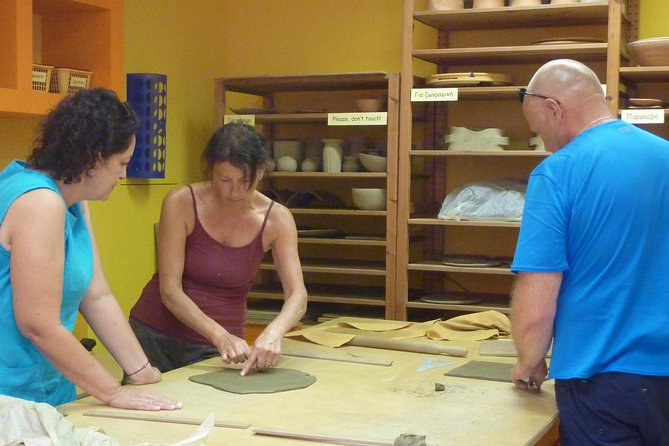
This is the part you must understand before you book, because it affects value more than the price tag.
When you finish your piece in the atelier, it needs 3-4 days to dry, depending on your specific creation and the weather. That means the workshop cannot hand you a fully finished item right away. You are starting the ceramic project, then letting the studio handle the drying stage.
Then you have a choice: you can pick up your work later, or you can glaze in the color you wish. If you glaze, you wait another 2 days for the second baking. Importantly, that second baking is not included in the price.
So the true decision is this: do you want a finished, glazed item ready for use, or do you mainly want the experience of making? If you want the fully finished route, budget for the extra firing stage. If you only care about shaping the clay and you plan to collect later without glazing, you may find the overall process simpler.
Not ready to stop exploring Crete? Try one of these.




Price and Value: What $96.11 Really Buys You
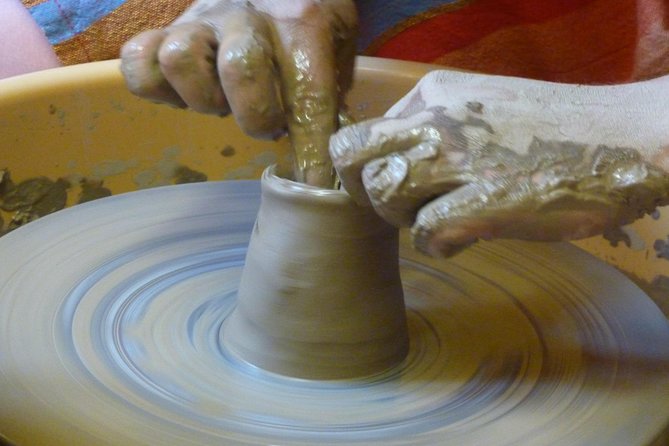
At $96.11 per person, this course is priced like a serious hands-on activity, not a quick craft photo op. You get several things bundled into that price:
- A guided workshop tour explaining the clay stages
- Instruction on multiple techniques, including both by-hand work and wheelwork
- A small-group format
- The creation time during the 2-hour session
But you do not get everything in a single afternoon. Your finished results are dependent on drying time and, if you choose it, glazing and a second firing. That is why the course can feel like a bargain to the right person, and disappointing to someone expecting to walk out with a usable finished souvenir the same day.
A helpful way to judge value for yourself: if you enjoy learning a craft and you are comfortable with timing, the price makes sense. If you need a take-home item that is finished and fired immediately, this is not that kind of experience. The class is about making and starting the ceramic journey.
Pickup or Shipping: The Common Friction Point
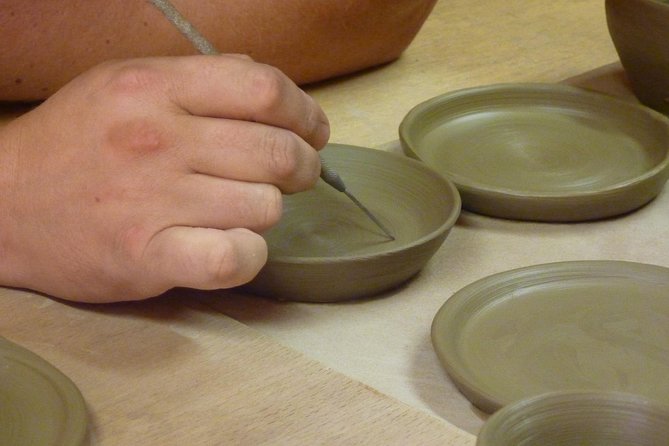
Here is the practical issue that can make or break satisfaction: how you will get your ceramics after they are fired.
Once cooked, the handicraft can be obtained from the workshop. If you prefer, it can be sent to your address, but shipping overseas can be fairly expensive. That matters because some people decide not to have pieces fired based on shipping costs to where they live.
So do this mental check before you commit:
- Are you local enough to pick up?
- Or are you shipping, and do you have room in your budget for firing and shipping?
If you are outside Europe, plan carefully. The studio experience description flags that shipping outside the European Union is expensive, and the same logic applies to the extra steps involved in having pieces fired and then transported.
If you are willing to pay the extra shipping or you will pick up locally, you are much more likely to end up with something you can actually use at home. If you are not, you may end up with pieces that never fully make the trip.
Group Size and English Instruction: Comfort Matters
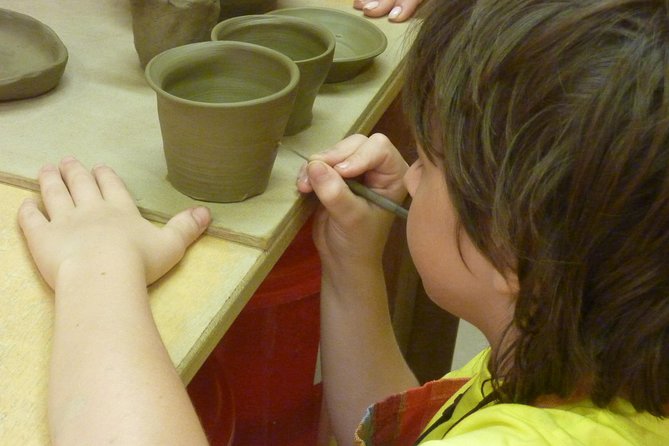
The class runs with a maximum of 5 travelers, and it is offered in English. That combination is a strong plus if you want to ask questions and get feedback while you work.
A small group also changes the vibe. Instead of watching an instructor give the same advice to a rotating crowd, you get more time to correct mistakes in real time. And because you are working with clay, small changes in technique can matter.
Most participants can join, which suggests it is not limited to pottery experts. That is exactly what you want for a short course. You can show up as a beginner and still get a meaningful experience.
What the Reviews Make Clear: Fun, Skill, and One Delivery Warning
The high ratings and strong recommendation rate come from the same themes: people report a big fun atmosphere, they learn a lot about pottery, and they get friendly support while trying different techniques. One review highlights the class as an interesting afternoon in a beautiful setting with a competent teacher.
There is also a serious warning sign from the lower rating. The complaint centers on expectations: the person felt it was money spent without receiving anything usable to take home, partly because the pieces were not fired and did not make it to the customer. The key takeaway for you is not to panic. It is to plan your take-home strategy from the start.
If you want something usable later, make sure you know what steps are included, what requires extra time, and what has extra cost. The firing decision and shipping decision are not afterthoughts here. They are the real deciding factors.
Who This Works Best For (And Who Might Want a Different Plan)
This pottery class is a great fit if you want a hands-on craft experience, you like learning real techniques, and you can handle a short workshop session plus a few days of waiting. It also suits you if you enjoy small-group attention, because up to 5 people makes it easier to stay engaged.
You might hesitate if you need instant results, like a finished fired ceramic you can use the same day. This is not a one-hour souvenir shop. Your pieces dry for several days, and glaze involves additional baking.
It is also a smarter choice for you if you can pick up from the workshop after the process, rather than relying on overseas shipping. Shipping costs can push the experience from enjoyable craft to complicated logistics.
Should You Book Koumoulia Ceramics and These Afternoon Stops?
Yes, if you want a real pottery session in Crete and you are okay thinking a few days ahead. For $96.11, you are paying for instruction, guidance, and a chance to shape something with help, all in a small group. Add in the Rouvas Gorge and Knossos stops, and the afternoon becomes a well-rounded Cretan day rather than a narrow workshop bubble.
Before you book, decide this one thing: are you planning to pick up your ceramics locally, or are you comfortable with the extra steps for firing and shipping? If you want a finished, usable result and you can cover the extra cost where it applies, you are much more likely to love the outcome. If you need a take-home item immediately, look for an option designed for same-day finished pieces.
FAQ
FAQ
How long is the pottery course?
The seminar is about 2 hours (approximately).
What time does the experience start, and where does it end?
It starts at 3:00 pm and ends back at the meeting point.
Is it offered in English?
Yes, it is offered in English.
How many people are in the group?
The tour/activity has a maximum of 5 travelers.
Do I take the finished pottery home right away?
No. The creations take about 3-4 days to dry, and if you choose to glaze, you wait another 2 days for the second baking. The second baking is not included in the price.
Can I ship my ceramics overseas, and is that extra?
You can have items sent to your address at your own expense. Shipping overseas can be fairly expensive, and shipping outside the European Union is noted as expensive.
Is the experience refundable if plans change?
No. It is non-refundable and cannot be changed for any reason.
Recently Published: Crete Tours
- Creta Private Transfer from Heraklion (HER) Airport to Agia Pelagia★ 5.0 · 1 review
- Creta Private Transfer from Heraklion (HER) Airport to Stalís★ 5.0 · 1 review
- Crete: Balos Beach Viewpoint and Falassrna Beach Day Trip★ 5.0 · 1 review
- VISIT THE MOST FAMOUS PAINTER “EL GRECO” TOUR★ 5.0 · 1 review
- Samaria Gorge from Chania with Professional Hiking Guide★ 5.0 · 1 review
- Rethymno Bali & Panormo : Quad Safari & visit Cave 57km 4hours★ 5.0 · 1 review
- Unique wine tasting of organic Cretan wines★ 5.0 · 1 review
- Hersonissos: Private Sunset Catamaran Cruise, Snack & Drinks★ 5.0 · 1 review
Pottery Workshops, compared.

Zeus Cave, Lassithi Plateau, Olive Oil Factory, Kritza, Pottery
Read our review →

Lassithi Plateau & Kera Monastery Tour with Ceramics
Read our review →
Knossos Palace and Pottery experience (Luxury Adventure)
Read our review →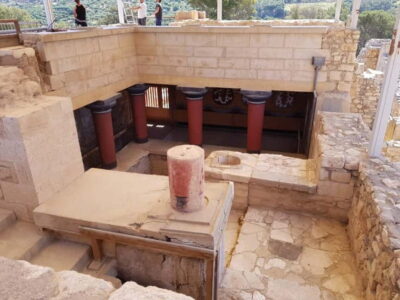
Knossos Palace and Pottery experience. Excursion Safari
Read our review →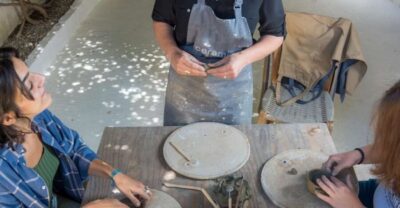

Rethymno Old Town, Arkadi , Eleutherna, Margarites | Private
Read our review →Browse the lists this tour appears in