
Reviewed · POTTERY WORKSHOPS
Crete: Cretan Culture Tour and Pottery Workshop
Crete’s crafts meet monastery history. This Crete Cretan culture tour strings together big-name sights with hands-on moments, from the Monastery of Arkadi to a pottery stop and an olive oil tasting. It is one day, and the pacing is built for first-time visitors who want more than just a beach drive.
I especially love the chance to see the Arkadi museum side of things, with icons, monastic relics, and weapons that explain why this monastery mattered. Second, I like that the day includes a pottery workshop at TSIKALARIO, where you make your own ceramic to take home. One thing to watch, though: the hands-on pottery part can vary, and some departures may feel more like a demonstration than full workshop time.
In This Review
- Key points before you go
- One-day Crete culture circuit from Rethymno
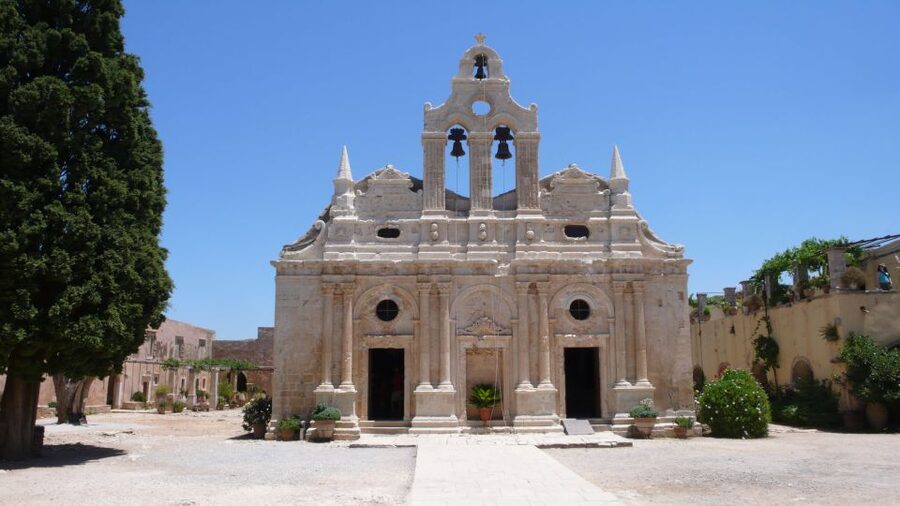
- Arkadi Monastery: museum rooms, icons, and time to breathe
- Eleftherna Museum: where Homer’s era meets later centuries
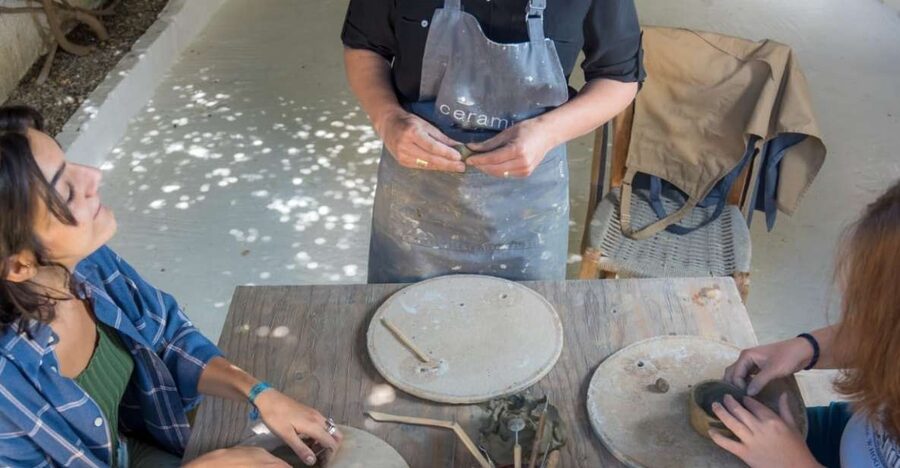
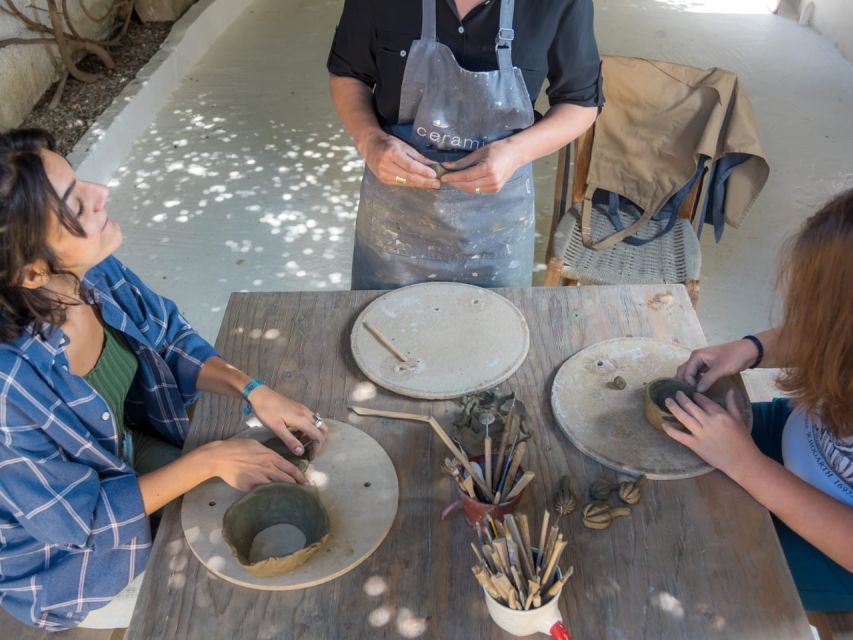
- TSIKALARIO pottery in Margarites: making ceramic, or seeing how it’s made
- Margarites village free time: lunch and a slow walk
- Olive oil manufactory and tasting: past methods to today
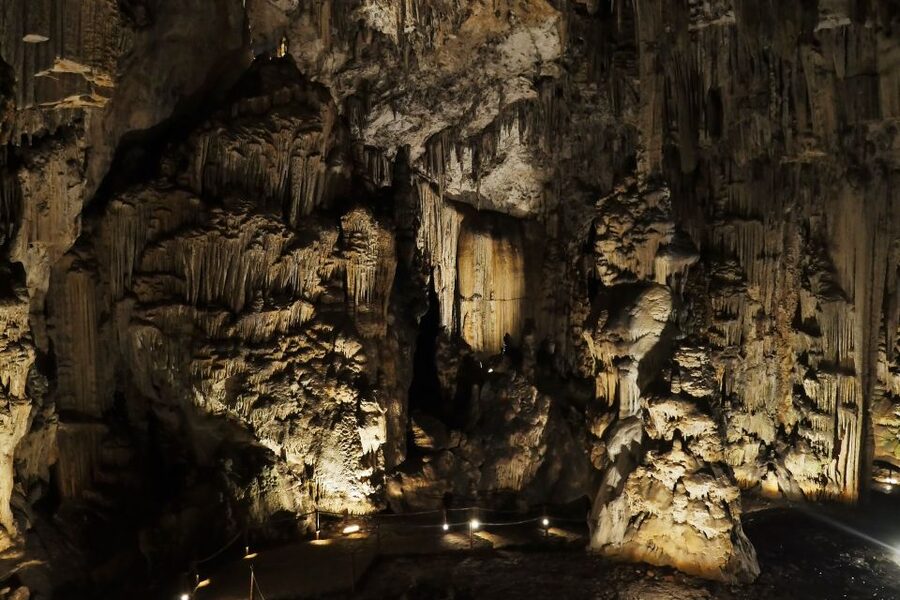
- Melidoni Cave (Gerodospilios): stalactites, stalagmites, and worship
- Transportation and guide style: why Nicolas matters
- Price and value: what you get for $40, plus entry fees
- Small practical tips to get more out of the day
- Who this tour fits best, and who should reconsider
- Should you book this Cretan Culture Tour?
- FAQ
- Where does the tour start and where does it end?
- How long is the tour?
- What does the tour cost?
- What is included in the price?
- Are entrance fees included?
- What languages are available for the guide?
- Do I get free time during the day?
- Which pottery workshop do you visit?
- What cave is included at the end of the tour?
- Can I cancel or pay later?
Key points before you go
- Hotel pickup and drop-off in Rethymno keeps the day easy to manage.
- Arkadi monastery includes museum time plus around an hour to wander.
- Eleftherna Museum covers a huge timeline, from Homer’s era through later centuries.
- TSIKALARIO pottery in Margarites connects you to a tradition passed down for generations.
- Olive oil tasting is built into an olive oil evolution stop, not just a quick sample.
- Melidoni Cave (Gerodospilios) adds a dramatic, religious-cave setting to the route.
Shape clay the way Cretan potters have for centuries
- Koumoulia Ceramics / Ceramics courses
★ 4.5 · 33 reviews - Knossos Palace and Pottery experience. Excursion Safari
★ 4.7 · 21 reviews - Pottery Village of Margarites – The monastery of Arkadi & The Gorge of Patsos
★ 5.0 · 16 reviews - Crete: Margarites, Rethymnon, Argyroupoli Full-Day Tour
★ 5.0 · 6 reviews - Private Rethymno Oil and Honey Tasting Pottery at Margarites
★ 5.0 · 1 review
One-day Crete culture circuit from Rethymno
This is a classic one-day structure: pick up in Rethymno, head out to the island’s most meaningful cultural stops, then return you back before the evening. The duration is 1 day, and it runs with a live guide in English.
The value hook here is simple. For about $40 per person, you get guided transportation, plus two activity-style stops: pottery and olive oil tasting. The “real deal” for me is that you are not only looking at ruins. You are also touching the everyday crafts side of Crete.
Do note the money math. Entrance fees are not included for key stops: Arkadi monastery costs 3 euros per person, Eleftherna museum costs 4 euros per person, and Melidoni cave costs 3 euros per person. So plan to add those on top of the tour price.
Arkadi Monastery: museum rooms, icons, and time to breathe
The day starts with the Monastery of Arkadi, one of Crete’s most important monasteries. You do not just arrive and look around. You spend time in the museum area where you can see icons, monastic relics, and weapons, which helps you understand why this place is remembered.
After the museum, you get about an hour of free time. That matters more than it sounds, because it gives you a chance to slow down and take in details at your own speed. Arkadi is the kind of stop where you want a moment to look upward and around, not just walk through quickly.
A small but useful tip: if your goal is photography, aim to use part of that free time for open views and signage. The guided portion will cover the story, but your eyes will do the rest.
Eleftherna Museum: where Homer’s era meets later centuries
Next up is the Museum of Ancient Eleftherna, tied to one of Crete’s most archaeological areas. The museum focuses on findings from Homer’s era, and it stretches across an enormous span, roughly 3000 B.C. to 1300 A.D.
This stop is valuable because it turns scattered artifacts into a timeline you can actually follow. If you have ever felt lost at archaeology sites, this kind of museum presentation helps you connect what you see later to what the pieces mean.
One consideration: the museum may feel more compact than you expect. If you love big displays and long wanders, you might find it a quick visit. Still, it is one of those places where the quality of context matters, not the number of rooms.
TSIKALARIO pottery in Margarites: making ceramic, or seeing how it’s made
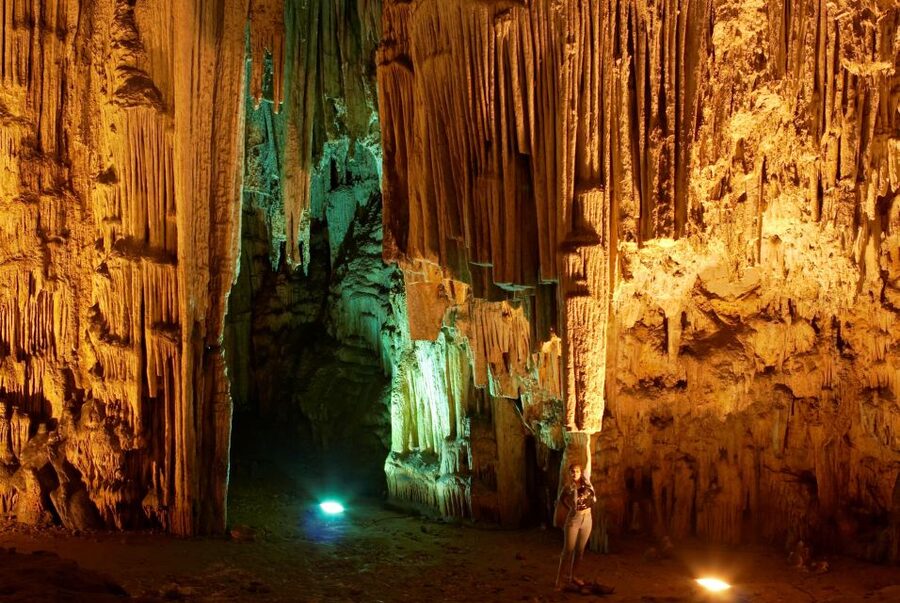
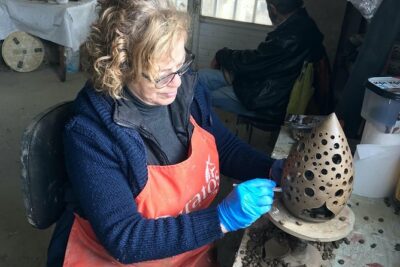
After Eleftherna, the route shifts to craft. You go to the pottery workshop TSIKALARIO in the village of Margarites. This is a tradition that goes back many generations in the area, so the goal is not just a one-off souvenir. It is about understanding how pottery fits into local life.
The tour format says you get the opportunity to create your own ceramic, and that is exactly what makes this stop worth your time. If you can participate fully, you come out with a physical reminder of the day, not just photos.
Here is the practical caution. Some bookings have reported that the pottery time was a demonstration rather than full hands-on making. The rest of the itinerary may be great, so this only matters if pottery is your main reason for booking.
What I recommend: if you care deeply about hands-on pottery, confirm what participation looks like for your date. Ask whether you will shape the clay yourself and finish a piece you take away.
Margarites village free time: lunch and a slow walk
Then you get free time in Margarites. This is the “real Crete” break in the middle of the program, where you can grab lunch or simply walk the village at your own pace.
Even if you do not plan a big meal, this pause is helpful. It resets your energy before the olive oil stop and the cave.
Use this time like a local: choose somewhere convenient, order something simple, and take a short stroll to see how the village sits in the landscape.
Take a skill home besides the tan



Olive oil manufactory and tasting: past methods to today
Next comes the olive oil manufactory stop. The idea here is to learn how Cretans made olive oil in the past, and how that process evolved into what people use today. This is not just tasting. You also get an explanation of the system.
Then comes the best part for most people: the olive oil tasting. This is where the education sticks, because you get to associate flavor with what you learned about processing.
One thing to keep in mind based on real-world experiences: in some departures, the olive oil segment can feel more like a short explanation plus tasting than a full, working-process show. The olive oil mill may not be operating during the visit, so you may not see as much hands-on machinery action as you expect.
If you go with the right mindset, it still works. You are there for context and tasting, and those can be great even when it is a quick stop.
Melidoni Cave (Gerodospilios): stalactites, stalagmites, and worship
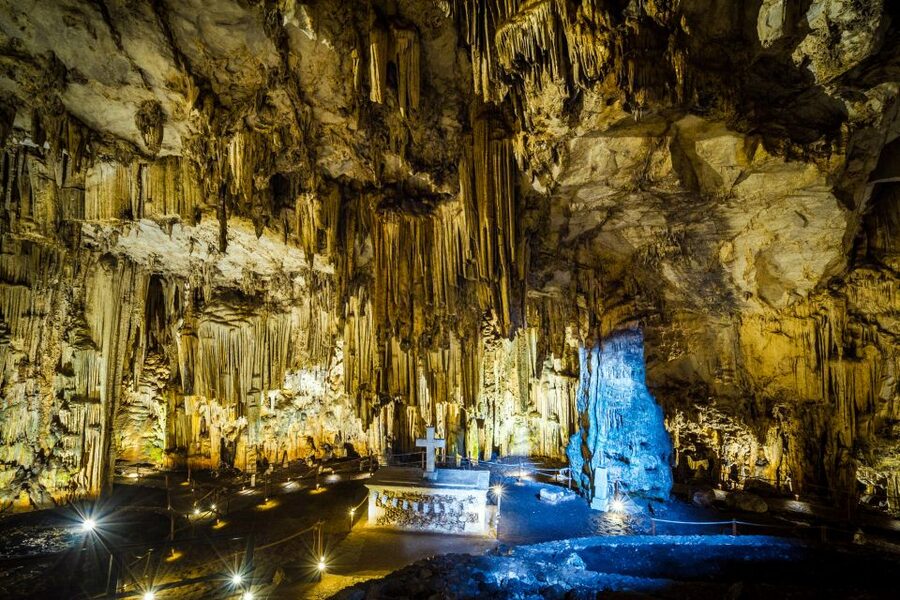
The final major sight is Melidoni Cave, also called Gerodospilios. This is a historic cave filled with stalactites and stalagmites, and it has a strong spiritual angle. The cave was used for religious ceremonies and as a place of worship.
The cave is described as a 220-meter cave, which gives you a sense of scale. You also get guided context on its archaeological and historical significance before heading back.
This stop is the “wow” closer for the day. Arkadi gives you architecture and artifacts. Eleftherna gives you timeline context. Margarites gives you craft. Melidoni gives you atmosphere.
Transportation and guide style: why Nicolas matters
The tour is run with a live English guide, and that matters a lot on a day packed with museums and transfers. Clear guiding helps you connect what you see at each stop without needing to become your own tour narrator on the fly.
One standout detail from guide experiences is the name Nicolas. Multiple comments praise his competence, passion, and good energy. Another note says he can be polyglot, and that the group even received a visit in French when needed. If you value a guide who can keep things human and understandable, this is a strong sign.
Price and value: what you get for $40, plus entry fees
Let’s do the honest math. The tour price is $40 per person, and you get:
- guided tour
- transportation
- olive oil tasting
- the chance to create your own ceramic
Then you still need to budget entrance fees for three major stops: 3 euros for Arkadi, 4 euros for Eleftherna museum, and 3 euros for Melidoni cave.
So, for most people, you should think of the final cost as “around $40 plus a small extra add-on for entrances.” When you factor in that you are not driving yourself across multiple areas, the value looks good. Especially if you would otherwise pay separately for a guided tour plus entry fees.
The main value swing is pottery hands-on level and how much the olive oil stop feels like an active process. If you book mainly for clay time and live oil production, it is worth setting expectations and confirming details. If you want history plus culture plus tasting plus a scenic cave ending, it is priced to feel fair.
Small practical tips to get more out of the day
- Plan cash or card for entrance fees at Arkadi (3 euros), Eleftherna (4 euros), and Melidoni cave (3 euros).
- Expect a day that includes museums, village time, and cave time, so bring comfortable shoes and a water plan.
- If you have small kids, double-check details during booking. One recent experience mentioned support like a child seat, but it also flagged a communication hiccup when toddlers were added last minute.
- Use your Arkadi free hour intentionally. That is your breathing space, not a rushed stop.
Who this tour fits best, and who should reconsider
This works best if you are:
- staying in or near Rethymno
- on a time-limited trip and want a guided loop
- interested in Cretan culture beyond scenery, especially craft and food
It may be less ideal if you:
- booked with pottery as a top priority and need guaranteed hands-on clay work
- expect a long, fully active demonstration at the olive oil manufactory
In other words, it is a strong “culture day” package, not a specialized pottery masterclass or an industrial olive oil production tour.
Should you book this Cretan Culture Tour?
If you want a single-day hit of Arkadi monastery, Eleftherna museum, Margarites pottery, olive oil tasting, and Melidoni Cave, I think it is a solid booking. The guide-led pacing plus the mix of history and craft is exactly what makes a one-day tour feel worth it.
Book it with one smart expectation adjustment: the craft stops can vary in how hands-on they feel, and the olive oil part may be more tasting and explanation than a fully running process. If that is fine with you, you are in for a well-rounded day that shows Crete’s human side, not just its monuments.
FAQ
Where does the tour start and where does it end?
The tour starts with pickup from your hotel or close to your hotel in Rethymno and returns you back to Rethymno at the end.
How long is the tour?
It lasts 1 day.
What does the tour cost?
The price is $40 per person.
What is included in the price?
The tour includes a guided tour, transportation, olive oil tasting, and the opportunity to create your own ceramic.
Are entrance fees included?
No. Entrance fees are not included for Arkadi Monastery (3 euros per person), Eleftherna Museum (4 euros per person), and Melidoni Cave (3 euros per person).
What languages are available for the guide?
The tour is guided in English.
Do I get free time during the day?
Yes. You have about one hour of free time at Arkadi and free time in Margarites for lunch or a walk.
Which pottery workshop do you visit?
You visit the pottery workshop TSIKALARIO in the village of Margarites.
What cave is included at the end of the tour?
You visit Melidoni Cave, also called Gerodospilios.
Can I cancel or pay later?
Yes. You can cancel up to 24 hours in advance for a full refund, and you can reserve now & pay later.
Recently Published: Crete Tours
- Creta Private Transfer from Heraklion (HER) Airport to Agia Pelagia★ 5.0 · 1 review
- Creta Private Transfer from Heraklion (HER) Airport to Stalís★ 5.0 · 1 review
- VISIT THE MOST FAMOUS PAINTER “EL GRECO” TOUR★ 5.0 · 1 review
- Crete: Balos Beach Viewpoint and Falassrna Beach Day Trip★ 5.0 · 1 review
- Samaria Gorge from Chania with Professional Hiking Guide★ 5.0 · 1 review
- Rethymno Bali & Panormo : Quad Safari & visit Cave 57km 4hours★ 5.0 · 1 review
- Unique wine tasting of organic Cretan wines★ 5.0 · 1 review
- Hersonissos: Private Sunset Catamaran Cruise, Snack & Drinks★ 5.0 · 1 review
Pottery Workshops, compared.
Zeus Cave, Lassithi Plateau, Olive Oil Factory, Kritza, Pottery
Read our review →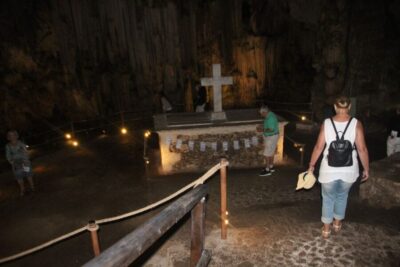
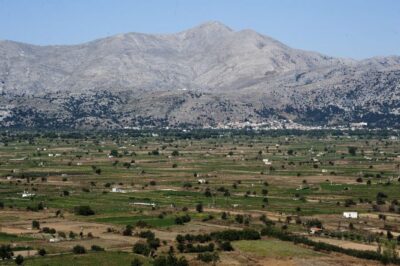
Lassithi Plateau & Kera Monastery Tour with Ceramics
Read our review →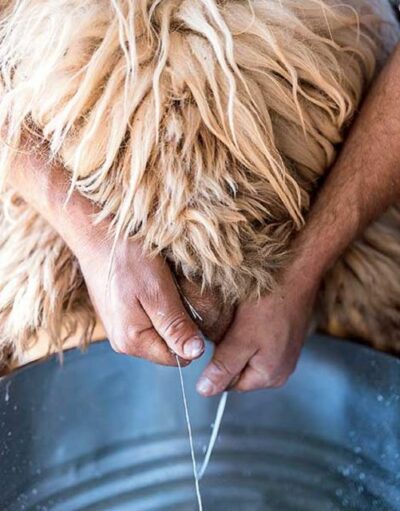
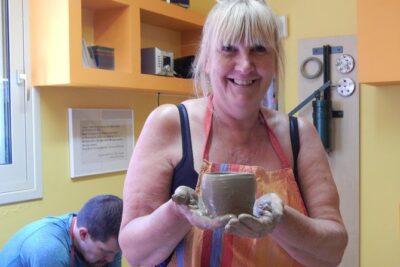
Knossos Palace and Pottery experience (Luxury Adventure)
Read our review →
Knossos Palace and Pottery experience. Excursion Safari
Read our review →
Rethymno Old Town, Arkadi , Eleutherna, Margarites | Private
Read our review →Browse the lists this tour appears in