
Reviewed · SCUBA DIVING
Research diving with a Marine Biologist in Crete
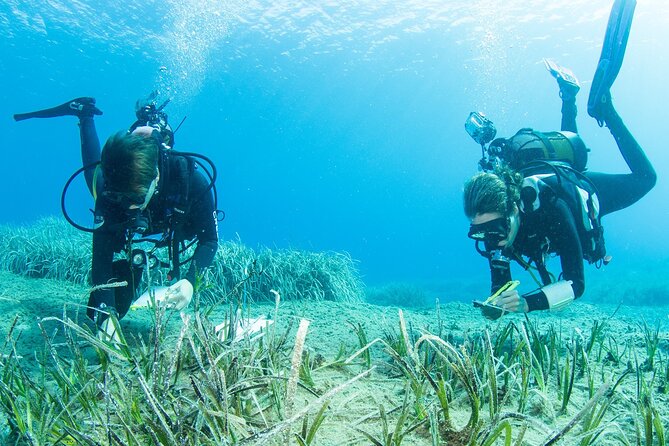
Underwater science on Crete is oddly fun. You spend the day with a marine biologist guiding a small group through a chosen Mediterranean habitat, with citizen science style observations that actually matter.
I like the focus on small-group attention and hands-on learning. I also love the after-water lab time, where you review samples under microscopes in the open air. One drawback to plan for: this experience is for certified SCUBA participants only.
In This Review
- Key highlights to know before you go
- Your morning starts at the PADI center in Myrthianos, Plakias
- How the biologist tailors the day to your SCUBA level
- What citizen science really means here
- Stop 1: Souda Beach and the start of your chosen habitat
- Stop 2: Plakias, species recognition, and underwater notes
- Back at base: debrief, microscope work, and what you brought up
- What’s included in the $308.58 price, and why it feels fair
- The staff: friendly, professional, and built for teaching
- Practical tips to make the day smoother
- Should you book this Marine Biologist SCUBA day in Crete?
- FAQ
- Do I need to be a certified SCUBA participant?
- How long is the experience?
- How many underwater sessions are included?
- Where does the experience take place?
- What time and where do we meet?
- What is included in the price?
- Is lunch included?
- Are underwater photos included?
- What is the cancellation policy?
Key highlights to know before you go
- Two tailored underwater SCUBA sessions based on your level and interests
- Marine biologist-led briefings that turn facts into field skills
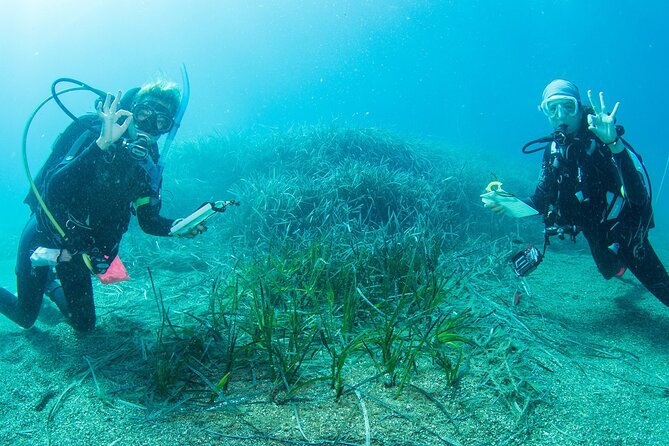
- Citizen science data collection, so you are not just watching
- Open-air microscope lab plus a full debrief back at base
- Private format, up to 4 people, with an English-speaking guide
Wrecks and reefs below the surface
- Heraklion: Scuba Diving Experience for Beginners _Beach
★ 4.7 · 549 reviews - Heraklion: Beginner Scuba Diving Lesson with PADI Instructor
★ 4.9 · 355 reviews - Heraklion: Scuba Diving Experience for First-Timers
★ 4.8 · 203 reviews - Chania: Scuba Diving for Beginners
★ 4.7 · 196 reviews - Chania: Scuba Diving for Beginners
★ 5.0 · 103 reviews
Your morning starts at the PADI center in Myrthianos, Plakias
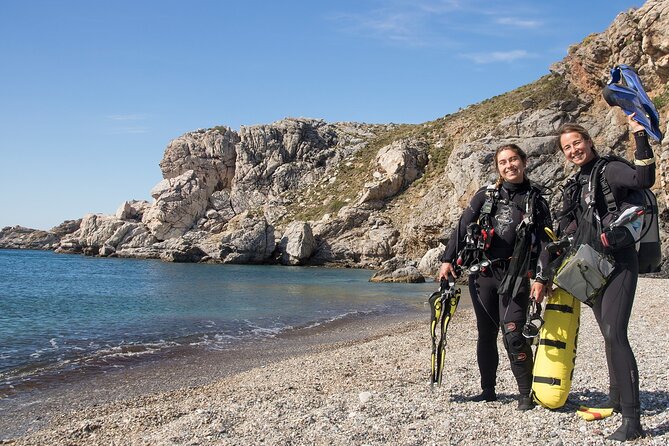
You begin at 8:30 am at the PADI SCUBA center and marine field station on Eleftheriou Venizelou in Myrthianos, Plakias. It is an easy schedule if you like starting early, because a marine biology day works best when the water and light are cooperating.
This is also a good sign that the day is structured. You are not just dropped at a beach and sent underwater. You start with training-style briefings, then you go out with specialized marine biology gear, then you come back and process what you found.
Because it is an English-led program, you can ask normal questions without fighting language gaps. That matters a lot when the goal is learning research methods, not just seeing fish.
How the biologist tailors the day to your SCUBA level
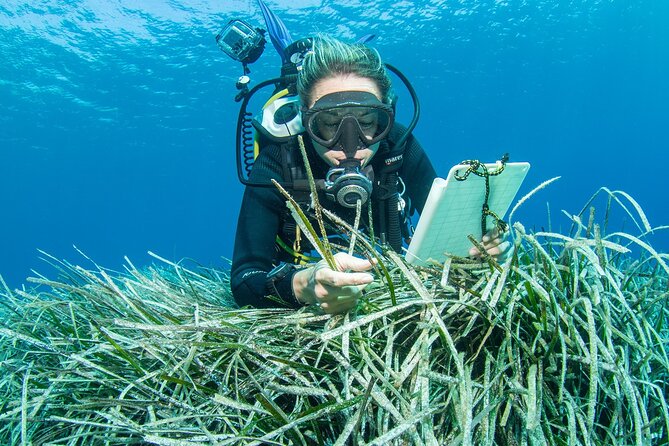
The core idea is simple: you choose an underwater biome of interest, then you get guided learning tied to what you will actually see and collect. The program runs as two underwater SCUBA sessions for certified participants, and the plan can be adjusted to your experience and comfort.
You will hear research-focused explanations before you enter the water. Then you practice those ideas during the sessions, not later as a lecture that has already lost momentum. That is why the day feels like more than a standard trip.
Your group is kept small, up to 4 participants, which gives you time to talk. In the reviews, people praise the team for an informative atmosphere and for making even a bigger university-style group feel organized. The named marine biologists you might work with include Vanessa, Martina, Marie-Clarie, Kirsten, and Katy, and they seem to bring a mix of presentation skill and field practicality.
What citizen science really means here
This is not citizen science as a marketing phrase. You collect important data tied to marine biology projects, and you take part in a more research-style workflow. One family group highlighted sediment sampling and then analyzing what they collected afterward. Another person described doing a relaxed seagrass research day with a post-water lab session focused on the microscopic ecosystem.
So yes, you will see marine life. But you will also learn how scientists turn underwater observations into useful information.
Stop 1: Souda Beach and the start of your chosen habitat
The first on-water location is Souda Beach. Think of it as your launch point for the day, where you get into the rhythm of the program. You will likely do a briefing that sets up what you should look for, then you go into the water with marine biology equipment.
Souda Beach is useful in a practical way: it gives you a clear start location, and it helps keep the day moving without long gaps. In a marine biology day, time is part of the method, because you want enough minutes underwater to observe and enough time back at base to process samples.
One detail that is easy to miss until you are there: the underwater work is not random. The guides aim to connect the species and habitat you are seeing to the research theme you chose for the day. That connection is what makes the experience feel educational instead of just scenic.
Stop 2: Plakias, species recognition, and underwater notes
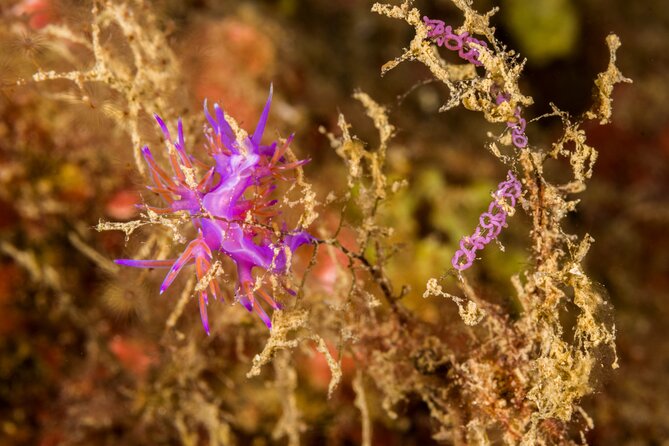
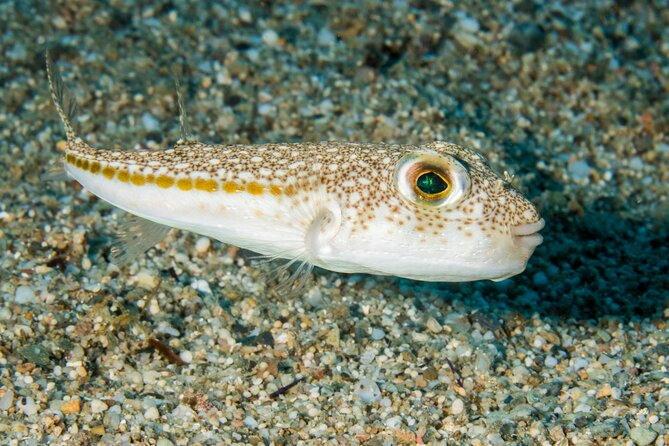
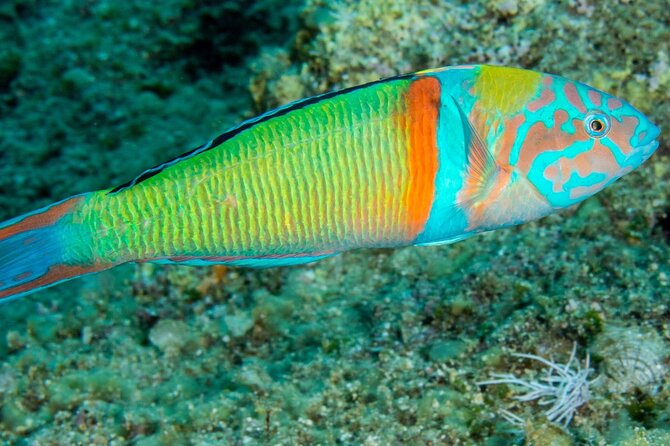
Your second location is in the Plakias area. This is where a lot of the learning turns more active. In reviews, people mention doing underwater notes and playing a species recognition game. That is a smart approach, because it trains your eyes to notice patterns, not just react to what looks interesting in the moment.
One reviewer specifically called out learning about the species found at a site called Shinara, and the way the team helped them connect what they saw to the broader Mediterranean ecosystem. Another highlight is that the biologists guide you through the methods behind their research, so your recognition game is not just a fun activity. It is practice for real scientific fieldwork.
Also, the day is designed to be calm. One person described a seagrass research day as easy and relaxed, even with beach-style conditions. That suggests the team adjusts the pace, so you are not forced into an overly rushed experience just to meet a schedule.
Not ready to stop exploring Crete? Try one of these.
Back at base: debrief, microscope work, and what you brought up
After the two underwater sessions, you return to the PADI center and marine field station for a debrief. This is where the day clicks into place, because you compare what you observed to what the samples show.
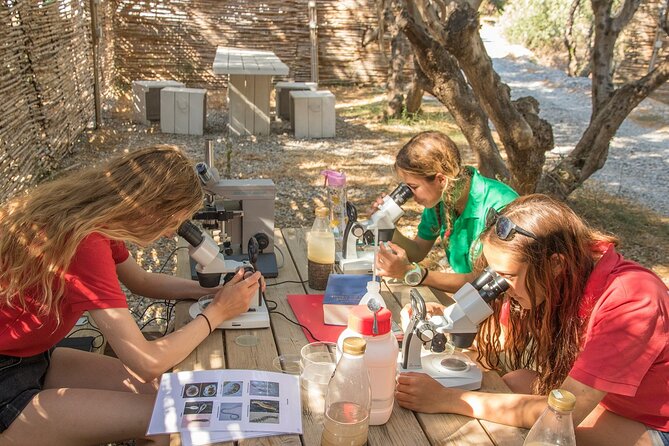
In the open-air marine biology lab, you use microscopes to look at your samples. The open-air setup is more than a quirky detail. It creates a lab feel without being closed off, and it makes the learning feel tied to the environment you were just in.
A family group described taking sediment samples and then analyzing what they found in the field lab afterward. That is the best way to understand the value here. You are not leaving the island with only photos and vague memories. You are leaving with a clearer sense of what lives in the habitat, even at a microscopic scale.
And the debrief time matters, because you can ask follow-up questions while the images and notes are still fresh.
What’s included in the $308.58 price, and why it feels fair
At $308.58 per person, this is not a budget “just go see fish” activity. What you are paying for is the combination of a small-group SCUBA day plus marine biology teaching plus lab materials and staff time.
Included items:
- Bottled water
- SCUBA equipment
- Specialized marine biology equipment
- Microscope use in the open-air marine biology lab
Not included:
- Lunch (you can eat together at a beach taverna, but you pay separately)
- Photos (the guide takes underwater photos that you can buy separately for 19 euros)
Here is why that price can make sense for the right traveler. First, you get specialized equipment and lab access, which many normal SCUBA programs do not provide. Second, the small group size increases the value of the staff attention. In reviews, people repeatedly praise the organization and the informative method, which usually means more time with the guide during the briefing and debrief.
If you already love marine life and want a structured learning day, this price can feel like good value because it includes both field work and the lab part. If you only want casual scenery, you might feel the cost is heavy compared with a standard SCUBA outing.
The staff: friendly, professional, and built for teaching
The team behind this program comes across as organized and genuinely invested in education. Reviews mention a nice and informative atmosphere, plus strong instruction and facilities for both shore and boat style setups.
You may meet marine biologists including Vanessa, Martina, Marie-Clarie, Kirsten, and Katy. People singled out how well the team handled large university-style groups too, which hints at experience running structured teaching days.
One practical takeaway from the reviews and the way the day is described: expect clear briefings and a guide who will help you connect your underwater observations to research methods. That matters when you are asked to collect data, take notes, or participate in recognition activities.
Practical tips to make the day smoother
A few things are clearly part of the requirements. This experience expects moderate physical fitness. You also need to be healthy and fit for SCUBA, and you need to be a certified SCUBA participant.
So before you show up, do the boring-but-important stuff:
- Confirm your SCUBA certification card is ready
- Plan to arrive a little early so you can start with the 8:30 am flow
- Be honest with the team about your comfort level, so they can tailor the plan to you
You should also plan for the extras. Lunch is not included, so bring cash or a card strategy for the beach taverna stop. If you like photos, know they are offered for 19 euros, taken by the guide.
Should you book this Marine Biologist SCUBA day in Crete?
Book it if you want more than a standard water outing. This is for you if you like marine life but also want the method behind it, citizen science participation, and a microscope lab debrief after. The best part is that the learning is tied to what you see and what you collect, not just what you hear.
Skip or consider something else if you are not a certified SCUBA participant, because the program requires certification. Also, if you only care about quick views and do not want lab work or note taking, the structured approach might feel like more effort than reward.
For the right person, though, this day has a rare mix: real teaching, a small-group feel, and a lab session that helps you understand the Mediterranean at both species and microscopic scales.
FAQ
Do I need to be a certified SCUBA participant?
Yes. The program is for certified divers only, and you need to be healthy and fit for SCUBA.
How long is the experience?
It runs for about 1 day.
How many underwater sessions are included?
The day includes 2 underwater SCUBA sessions.
Where does the experience take place?
You visit Souda Beach and then another stop in the Plakias area.
What time and where do we meet?
The meeting point is at the PADI SCUBA center and marine field station in Myrthianos, Plakias, at 8:30 am. The activity ends back at the meeting point.
What is included in the price?
Included items are bottled water, use of SCUBA equipment, specialized marine biology equipment, and microscope use in the open-air marine biology lab.
Is lunch included?
No. Lunch is not included. You can eat together at a beach taverna, but you pay separately.
Are underwater photos included?
Underwater photos are not included. They can be purchased separately for 19 euros.
What is the cancellation policy?
You can cancel for free up to 24 hours in advance of the start time for a full refund. Less than 24 hours before start time is not refundable.
Recently Published: Crete Tours
- Creta Private Transfer from Heraklion (HER) Airport to Agia Pelagia★ 5.0 · 1 review
- Creta Private Transfer from Heraklion (HER) Airport to Stalís★ 5.0 · 1 review
- VISIT THE MOST FAMOUS PAINTER “EL GRECO” TOUR★ 5.0 · 1 review
- Crete: Balos Beach Viewpoint and Falassrna Beach Day Trip★ 5.0 · 1 review
- Samaria Gorge from Chania with Professional Hiking Guide★ 5.0 · 1 review
- Rethymno Bali & Panormo : Quad Safari & visit Cave 57km 4hours★ 5.0 · 1 review
- Unique wine tasting of organic Cretan wines★ 5.0 · 1 review
- Hersonissos: Private Sunset Catamaran Cruise, Snack & Drinks★ 5.0 · 1 review
Scuba Diving, compared.
Beginner Scuba Diving Lesson with PADI Instructor
Read our review →
Chania: Snorkeling & Scuba Dive for Beginners by Boat
Read our review →
Try Scuba in Crete – Free Certification & Photos (Beginners)
Read our review →Browse the lists this tour appears in