
Reviewed · CRETAN FOOD TOURS
Chania: Private Walking Tour: History, Sights, Food & Senses
Chania’s past shows up at every corner. This private walk, led by a Licensed Historian guide, threads thousands of years into what you see right now, starting at the Venetian harbour. I especially like the Bougatsa tasting at the end, because the food lesson ties back to daily life, not just dates.
You will walk for about 3 to 4 hours. The main thing to plan for is the steady pace of an old-town route, with some uphill moments during the hill stops, so comfy shoes are not optional.
If you want history with context, plus real local tastes, this is a very efficient way to spend half a day in Chania Old Town with a guide who can keep the story moving at your pace.
In This Review
- Key things to know before you go
- Venetian Harbour to Lighthouse: the best place to start a Chania story
- From Venetian fortifications to Ottoman house details
- A paced break for snacks and local atmosphere
- Rare historical archives: comparing Chania then and now
- Hills and in-town archaeological stops
- Churches, customs, and the Orthodox thread in everyday life
- The food plan: dairy, olives, raki, and Chania Bougatsa
- Is $170 worth it for a private historian guide?
- Practical tips to get the most from your half-day walk
- Should you book this Chania private walking tour?
- FAQ
- How long is the Chania private walking tour?
- What is the price per person?
- Is this tour private?
- What languages are offered?
- What Cretan food is included?
- Where does the tour start?
- Are museum or archaeological entrance fees included?
- Is the tour wheelchair accessible, and what should I wear?
Key things to know before you go
- Venetian harbour start, lighthouse views included: you get your bearings fast and build the big timeline from the waterfront.
- Ancient Kydonia through street-level archaeology: the guide connects early settlement ideas to what you can actually see.
- Venetian fortifications and Ottoman-period house styles: the architectural clues help you read the neighbourhood like a map.
- Rare photo documents and archives for past-versus-present: it’s one thing to hear history, it’s another to compare images to today.
- Food tastings that focus on Cretan staples: dairy, table olives, raki, and classic Chania Bougatsa made with mizithra goat cheese.
Snails, dakos, and cheese you won't find shipped out
- Walking “Food tasting tour” in the town of Chania
★ 5.0 · 297 reviews - The Delicious Chania Street Food Tour
★ 5.0 · 138 reviews - Chania Area: Food Tasting Tour with Winery Visit
★ 4.4 · 99 reviews - Sunset Craft Beer & Food Tour – Chania Old Port
★ 5.0 · 86 reviews - Chania: Wine, Food, and Sunset Tour with 3-Course Dinner
★ 4.9 · 77 reviews
Venetian Harbour to Lighthouse: the best place to start a Chania story
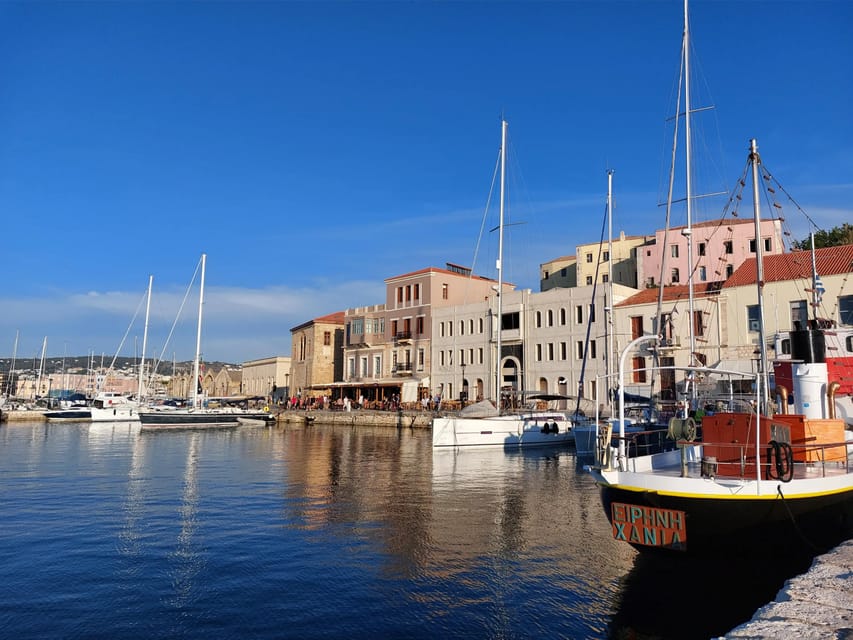
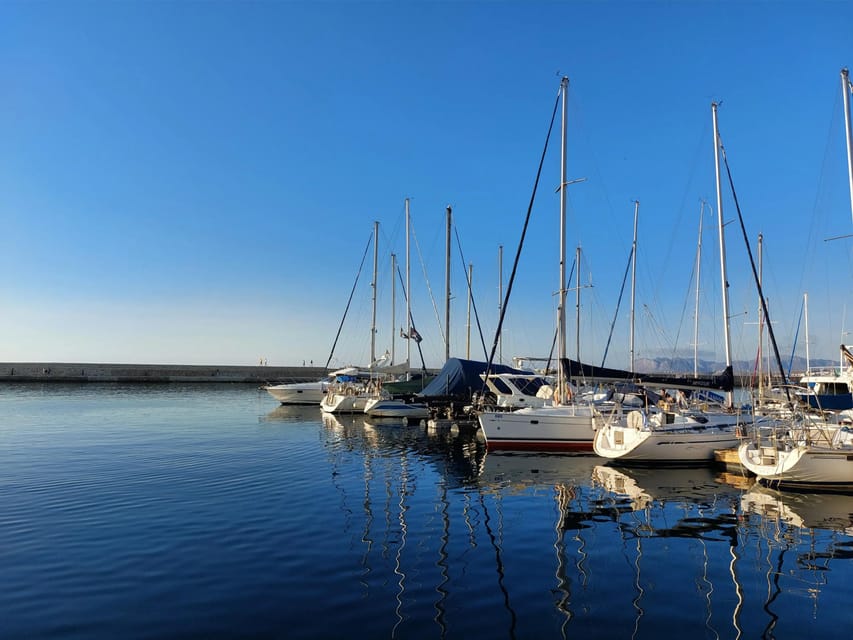
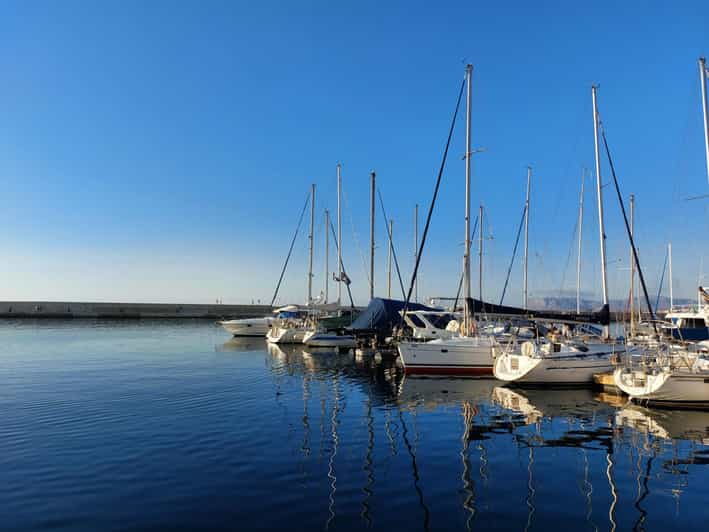
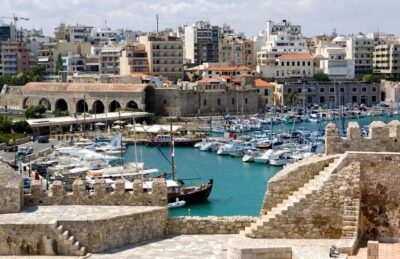
I like tours that begin where the geography already tells a history lesson. Here, you start at the Venetian harbour, with the sea air and harbour buildings doing part of the explaining for you. From the start, the guide sets the framework in plain language, including Venetian rule, Egyptian era references, Roman rule, the Ottoman period, and World War II history.
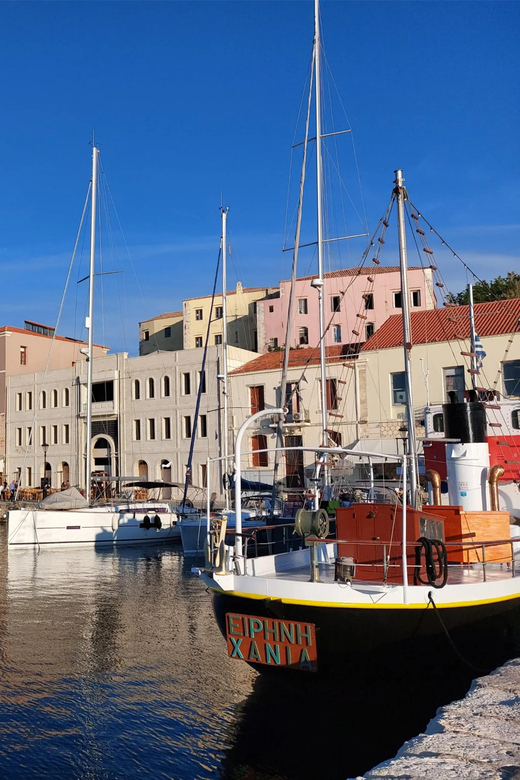
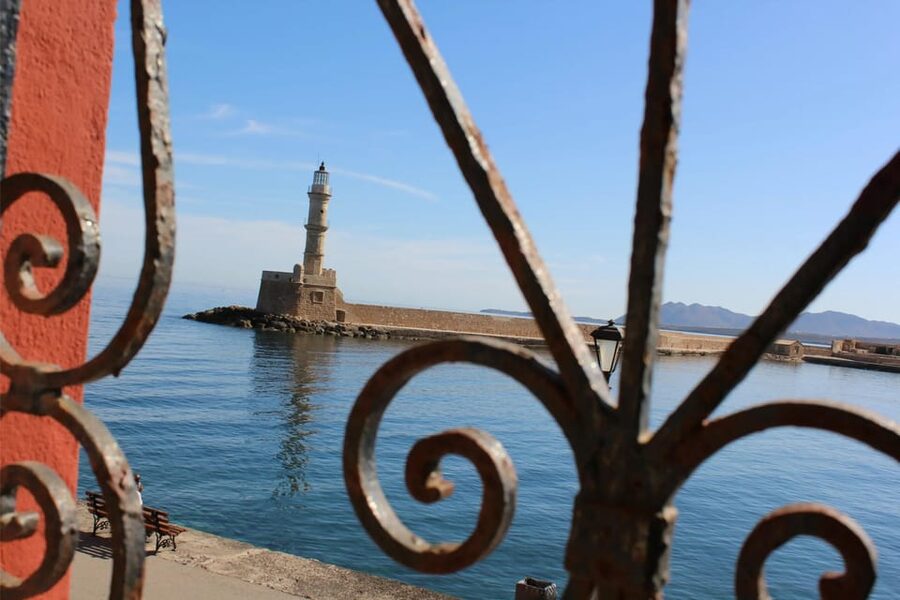
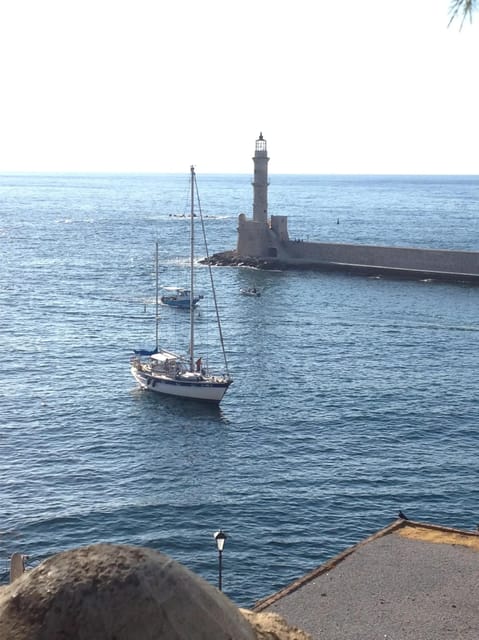
Then you walk toward the Venetian harbour area and the lighthouse. This is not just a photo stop. It’s where the harbour layout and fort-facing views make sense, so later comments about defences and settlement patterns land better.
One practical benefit of a private format: you can pause for photos without feeling rushed. The route is still a walk, so if you hate moving slow, you might find the lingering moments a bit much. But if you like to look, this start pays off.
From Venetian fortifications to Ottoman house details
As you progress, the tour turns from general timeline to the kind of clues you notice once someone points them out. Near the waterfront, you get ideas about the first settlement of Ancient Kydonia (Chania) and the archaeological finds connected to the town.
You also see Venetian fortifications and distinctive Ottoman-period houses. Even without a museum, these details help you understand how different rule periods left practical marks. Venetian influences tend to show up in the way the harbour defences and older structures feel organized for protection and control. Ottoman-period house styles often stand out in façade character, spacing, and how neighbourhood life seems to have been arranged.
The value here is the translation. You are not just looking at buildings, you’re learning how to read them. And that matters in Chania, because Old Town is compact. If you don’t have someone to connect the dots, it’s easy to admire the scenery and miss the story.
A paced break for snacks and local atmosphere
Midway through the walk, the guide gives you time for a snack or a coffee. The goal is practical, and it’s also a nice change of rhythm: a place where you can grab something without the tourist feeling, and where you can blend in with locals.
This pause is one of the smartest parts of the experience. After you’ve been taking in dates, rule changes, and architectural terms, your brain needs a reset. And it’s a chance to get a different angle on the town, beyond the postcard lanes.
If you’re sensitive to heat in summer, this is also your moment to pace yourself. The tour recommends wearing a hat or sunscreen in warmer months, and this is a good time to use them.
Rare historical archives: comparing Chania then and now
After your break, the tour leans into a cool method: comparing the town’s past and present using rare historical photo documents. This is the kind of storytelling that makes history feel tangible.
You’ll keep taking in sights while the guide references these archives, helping you notice what has changed and what has stayed recognizably Chania. In a place like Old Town, the streets can feel familiar even when the world underneath has shifted. The photo comparisons help you see those shifts without needing a single classroom stop.
This is also where a licensed historian guide matters. You are not hearing vague claims. You’re hearing a shaped narrative that tries to match evidence to what’s visible.
Hills and in-town archaeological stops
As you move toward the later part of the tour, you ascend to hills of important historical significance. Then you reach in-town archaeological sites.
The hill sections are where your walking shoes earn their keep. Expect some uphill effort, especially if you’re visiting during hot weather. But the payoff is that you understand Chania’s layout in 3D, not just on a flat map. When you can see the geometry of the old city, the earlier harbour and fort discussions become clearer.
About the archaeological side: the tour is designed to enhance your knowledge of the civilizations that Chania welcomed over roughly 3,000 years of history. The stops are meant to be educational in a street-level way, not just a collection of ruins. If you like archaeology but dislike long museum lectures, this style fits.
You might also have options for possible museum and archaeological entrances, depending on what you request. The tour includes support for entrances because the guide is licensed by the Greek Ministry of Tourism, though entrance fees themselves are not included.
Plenty else to see around Chania

Churches, customs, and the Orthodox thread in everyday life
Near the end, you shift from monuments to meaning. The guide talks about ethics, unwritten rules, customs, and religious history. Then you stop at some of the most famous churches of Chania city, with a focus on the role of the Christian Orthodox Church in today’s Cretan society.
I like this part because it avoids treating religion as a separate museum topic. Instead, it frames how tradition shows up in social behavior and community life. Even if you don’t follow the faith, you can learn how locals understand time, celebration, and respect through church tradition.
This is also where your private guide can tailor the conversation. If you’re the type who asks questions, you’ll probably find this section hits your interests quickly. If you prefer quiet sightseeing, you’ll still get the story, just in a calmer way.
The food plan: dairy, olives, raki, and Chania Bougatsa
A half-day walk lives or dies by the food stop, and this tour puts the tastings at the right moment: after history, when you can appreciate it more as everyday culture.
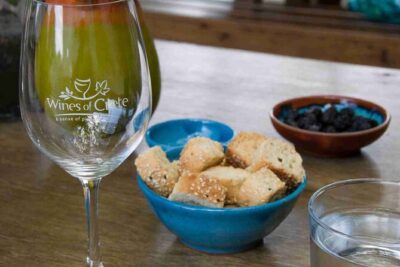
You’ll visit a local delicatessen shop for traditional Cretan specialties. The tasting includes dairy products and table olives, plus raki. These are straightforward staples, but the guide helps you see why they matter. Instead of just eating, you’re learning what kind of pantry and table traditions Crete runs on.
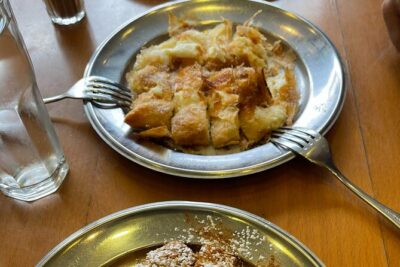
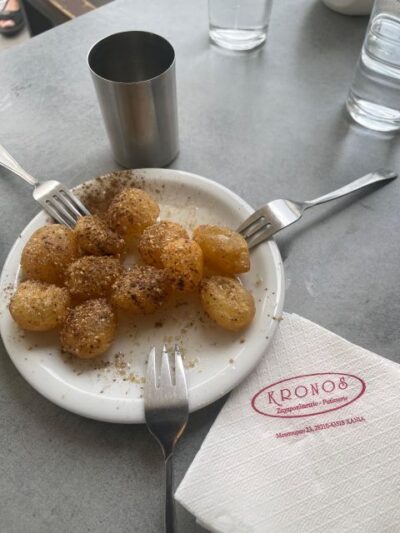
Then you reach one of the oldest food stores in town to devour Chania Bougatsa. The description here is specific: it’s a traditional dessert made with mizithra fresh goat cheese, pastry dough, and love. That wording matters, because it points to the ingredient identity. Mizithra is the soul of the filling, and it’s what makes Bougatsa in this style feel like a Chania signature rather than a generic pastry.
Practical tip: Bougatsa is filling. If you’re the kind of eater who wants to sample everything, you’ll want to keep your lunch light before the tour.
Is $170 worth it for a private historian guide?
At $170 per person for a 3 to 4 hour private walk, you’re paying for four things at once: a licensed historian guide, a private pace, structured stops, and food tasting.
Here’s how I think about value in a case like this.
First, the guide credentials. A Greek Ministry of Tourism licensed historian is not just a friendly storyteller. You get a more rigorous approach to connecting evidence, architecture, and timeline. That’s the difference between wandering and understanding.
Second, private pacing. With a group tour, you often lose time to logistics, waiting, and hurry. Here, the guide follows your pace, and you get free time for a snack or coffee plus the option for diversions or alterations based on your needs.
Third, the content density. You cover harbour views, fortifications, Ottoman-era architectural details, archaeology stops, churches, and a real food sequence. It’s not a single-theme walk.
Fourth, the food is meaningful, not token. Bougatsa plus local dairy, olives, and raki is a full tasting sequence, not just one bite.
The main tradeoff is that entrance fees for museums or archaeological sights are not included if you request extra additions. You might add costs if you want that level of indoor time. But you still get the guide support for entrances and a skip-the-ticket-line benefit tied to those stops.
Practical tips to get the most from your half-day walk
This is a walking tour, so your comfort choices matter.
Wear comfortable shoes and comfortable clothes. Chania Old Town has uneven surfaces, and the itinerary includes hill climbs to historical viewpoints. In summer, bring a hat or sunscreen because the outdoor segments can add up.
Language-wise, you can choose English or Greek. If you’re in English, the historian guide experience still gives you a structured narrative, with explanations that keep the history thread coherent from start to finish.
Also, think about how you like to travel. This is ideal if you prefer a guided story over self-guided wandering. If you like to move at a strict fast pace and skip explanations, you may feel you’re paying for time you didn’t want. But if you like your sightseeing with context, you’ll probably feel it was worth every hour.
Should you book this Chania private walking tour?
I’d book this if you want a “half-day that actually teaches you something” experience. The licensed historian angle gives you credibility, the photo document comparisons make the past visible, and the food tasting ending gives the tour a satisfying Cretan payoff.
I’d skip it or reconsider if you only want quick scenic stops, with minimal walking and minimal explanations. This tour has a story engine, and it assumes you’re there to listen, look closely, and keep moving.
If you’re visiting Chania for the first time and you want Old Town views plus archaeology plus churches plus Cretan food in one organized flow, this is a strong bet.
FAQ
How long is the Chania private walking tour?
It runs about 3 to 4 hours.
What is the price per person?
The price is listed as $170 per person.
Is this tour private?
Yes, it is a private group experience.
What languages are offered?
The live tour guide offers English and Greek.
What Cretan food is included?
You get a traditional Cretan specialty food tasting that includes local dairy products, table olives, raki, and Chania Bougatsa made with mizithra fresh goat cheese and pastry dough.
Where does the tour start?
The tour starts at the Venetian harbour. The exact meeting point may vary depending on the option booked.
Are museum or archaeological entrance fees included?
Entrance fees for museums or archaeological sights are not included. If you request extra additions, entrance fees would be on top.
Is the tour wheelchair accessible, and what should I wear?
The tour is wheelchair accessible. You should wear comfortable shoes and comfortable clothes, and in summer months bring a hat or sunscreen.
More Food & Drink in Chania
Walking Tours of Chania
Recently Published: Chania Tours
- Elafonisi Pink Sand Beach | Private Day Trip from Heraklion★ 5.0 · 1 review
- Samaria Long Way from Rethymno★ 5.0 · 1 review
- Kayaking or River trekking or Rafting- kiliaris activities chania★ 5.0 · 1 review
- Chania Old Town, Ancient Olive Tree&Theriso Village Private Tour★ 5.0 · 1 review
- Private Tour From Chania Area to Rethymno and Arkadi Monastery★ 4.0 · 1 review
- Private Driver & Chauffeur Service in Crete from Chania★ 5.0 · 1 review
- From Chania: Imbros Gorge Hike&Authentic Culinary Experience★ 5.0 · 1 review
- Minoan Luxuries: Ancient Palaces, Messara Wine Routes & Matala★ 5.0 · 1 review
Cretan Food Tours, compared.
Old Town Highlights Guided Tour with Street Food
Read our review →
Walking “Food tasting tour” in the town of Chania
Read our review →
Full-Day Cretan Wines, Olive Oil, Raki and Food Tour
Read our review →
Olive Oil, Soap, Wine, Raki – Flavorful Culinary Journey
Read our review →
E-Bike Food Tour – Discover the Flavors of Crete
Read our review →
Browse the lists this tour appears in