
Reviewed · COOKING CLASSES
Cooking class at the Shepherd’s Shelter in Rethymno
A farm day with real shepherd skills. This Shepherd’s Shelter class is built around farm-to-table cooking on Crete’s Psiloreiths mount, with hands-on steps that start before the stove. I like that you learn where the food comes from, not just how to plate it. You also get sheep’s milk cheese making and a proper Cretan meal from scratch, plus tasting local wine and raki.
The main drawback is also the most important to plan for: you’re on a mountain farm, so you’ll want comfortable shoes and a little patience if the route feels winding. With a small cap of 12 people, it stays friendly, but it is not a quick drop-in event.
The sweet spot here is clear: if you want food that tastes like Crete, and you want the story behind it, this is a focused 5-hour experience.
In This Review
- Key points to know before you go
- Why this farm-to-table class feels different than a typical food tour
- Shepherd’s Shelter start: what happens before the cooking begins
- The farm-to-plate rhythm: vegetables, herbs, and local sourcing
- Cheese making from sheep’s milk: the skill that anchors the meal
- Cooking the Cretan meal from scratch: what you’ll actually do
- Wine and raki tastings: the food story continues at the table
- Group size, language, and the pace of a 5-hour day
- Who this class is best for (and who should think twice)
- Should you book the Shepherd’s Shelter cooking class?
- FAQ
- What is the duration of the cooking class?
- Where does the class meet?
- What time does it start?
- How big is the group?
- What languages is the class offered in?
- What does the class include?
- How much does it cost?
- Is free cancellation available?
- Can I visit on more days?
Key points to know before you go
- Sheep’s milk cheese lessons: Learn the basics of cheese from local shepherd practices, then build the meal around it.
- Guided farm walk with animals: You’ll tour the farm and get introduced to the life of a shepherd in Crete.
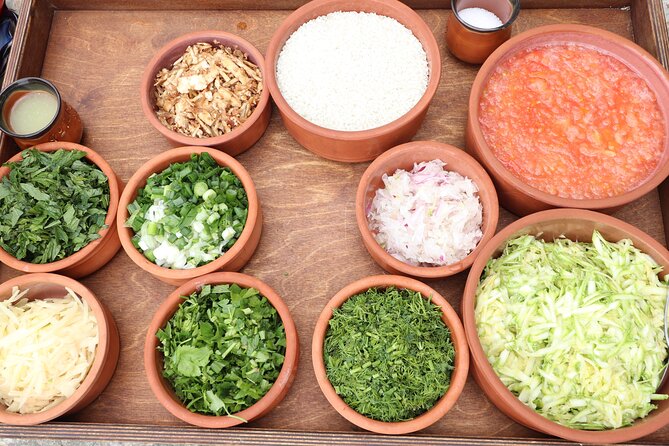
- Vegetable and herb sourcing: You work with fresh organic produce for the menu, sourced from local farms.
- Wine and raki tastings: You’ll sample local drinks alongside what you cook.
- Small group format: Maximum 12 travelers helps keep things interactive and practical.
- English instruction: Offered in English, which makes the explanations and discussions easier to follow.
Learn the mezze before you eat it
- Chania: Authentic Cooking Class in the White Mountains
★ 4.9 · 529 reviews - The Real Cretan Cooking Experience
★ 5.0 · 528 reviews - Chania Cooking Class-The Authentic Enjoy traditional Cretan meal
★ 5.0 · 339 reviews - Cretan Cooking Class and Olive Oil Tasting
★ 5.0 · 178 reviews - Moires: Cooking Class and Olive Oil Tasting at a Family Farm
★ 5.0 · 93 reviews
Why this farm-to-table class feels different than a typical food tour
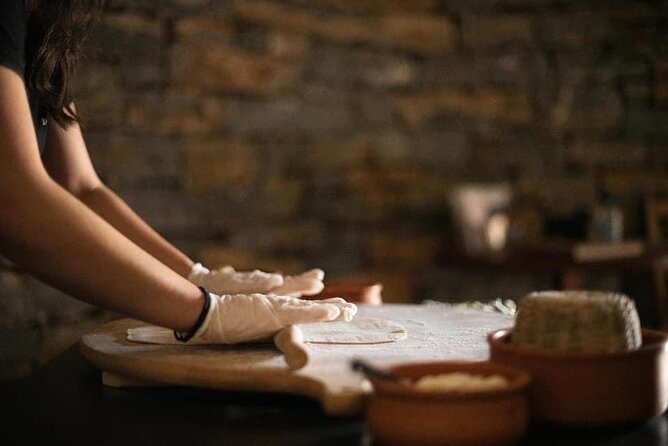
On Crete, it’s easy to get fed. The bigger challenge is getting context. This class connects the dots, from farm work to cheese making to sitting down for a Cretan meal. You’re not just learning recipes, you’re learning how shepherds, crops, and local ingredients fit together.
I also love the “mountain farm” setting. Psiloreiths mount gives you a different Crete picture than the beach towns, and it makes the day feel like you’re stepping into daily life rather than a staged show. Even better, the class includes discussions about the nutritional value of Cretan products, so you leave with more than just flavor memories.
One more practical reason this works: a 5-hour window is long enough to do real work, but short enough to still enjoy the rest of your day back in Rethymno or around Crete.
Shepherd’s Shelter start: what happens before the cooking begins
Your day starts at The Shepherds Shelter, on Unnamed Road in Milopotamos 740 51, Greece, with a 11:00 am start. That timing matters because it sets you up for a full cooking block and then a meal and tastings, all without feeling rushed into dinner mode.
At the start, you’ll begin with the farm experience. Expect a guided walk of the property and time to meet the animals, with an emphasis on the shepherd lifestyle. This is where the whole class gains meaning, because you can see the setting that produces the ingredients, especially sheep’s milk.
One useful detail: the provider is The Shepherds Shelter, and the name Yiorgos Kokkinos comes up as part of how the experience is run. That suggests the class is anchored by a family-run, on-site team rather than a traveling instructor who disappears after the lesson.
If you’re the type who likes knowing what you’re about to eat, you’ll appreciate this start. You’ll also likely feel calmer in the kitchen, because you already understand the farm rhythm and the ingredient story.
The farm-to-plate rhythm: vegetables, herbs, and local sourcing
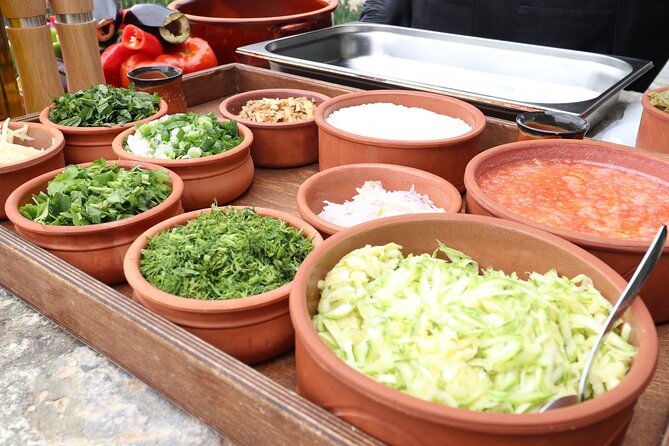
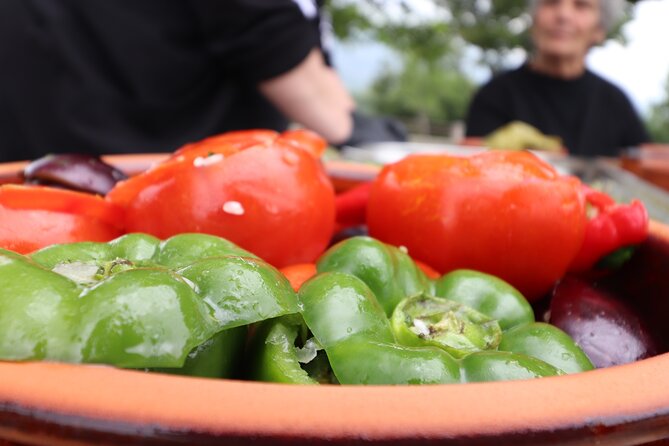
After the initial farm tour, the process shifts toward ingredients. Fresh, organic vegetables for your menu are provided, and they’re sourced from local farms. That’s the kind of detail you can taste immediately, because it tends to mean stronger flavors and better texture than produce that has traveled far.
This class also builds in an ingredient workflow, not just a final dish. You’ll prepare using herbs and vegetables you get in the loop with during the farm-to-table flow. Even if you’re not a confident cook, you’ll find the steps more approachable when you understand what each ingredient contributes.
Also, this isn’t a “watch and wait” class. The format is designed for interaction, and the small maximum group size of 12 people supports that. You’ll get enough attention to correct small mistakes and enough freedom to ask why something is done a certain way.
If you’re coming from a tight itinerary, think about this part as your mental reset. You slow down, work with ingredients in real time, and then the cooking makes sense instead of feeling like a blur.
Cheese making from sheep’s milk: the skill that anchors the meal
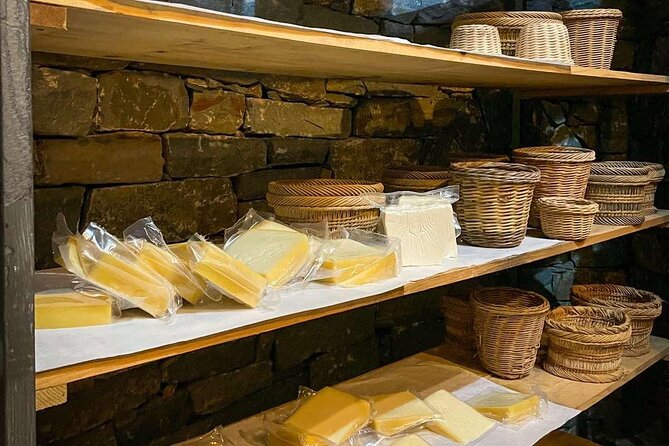
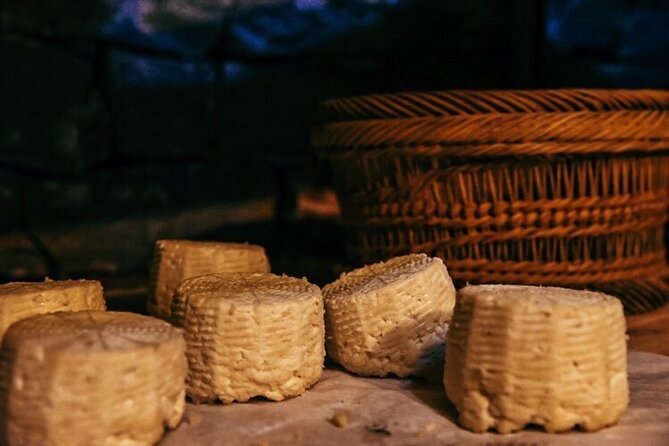
The class highlights cheese from sheep’s milk as a core learning moment. That’s a big deal in Crete because shepherding and dairy traditions are deeply connected to what people eat and how they live.
From a practical point of view, cheese making is the heart of the learning curve here. It’s also the part that differentiates this day from a standard cooking workshop. Even if you don’t leave with a take-home kit, you’ll understand the process, the logic, and why sheep’s milk plays a central role.
It’s smart that the cheese learning comes early enough to influence the rest of the meal. When you start thinking like a shepherd and a cook at the same time, you naturally pay more attention during the rest of the steps.
What I’d consider if you have a tight schedule: cheese making can take time and concentration. The benefit is that you’re doing more than following instructions. You’re participating in a tradition that actually belongs to the place you’re standing.
Cooking the Cretan meal from scratch: what you’ll actually do
Once you’ve connected with the farm ingredients and cheese basics, you move into cooking. The class is structured around preparing a Cretan meal from scratch, so you’re not just finishing a pre-made component.
You’ll cook using the fresh organic vegetables provided for your menu. That means you can expect a menu design that leans into local produce and typical Cretan flavors, rather than an imported, generic “Greek-ish” set of dishes.
The best part, from your perspective, is that you’ll learn practical techniques you can repeat later. You may not recreate the exact same farm ingredients at home, but you can still use the method and the ingredient logic.
Also included is a discussion about the nutritional value of Cretan products. That adds a layer that a lot of food classes skip. You start thinking about why local foods work, not only how to make them taste good.
One caution: plan to eat when you’re done. The format is a full meal and tastings, and the day runs about 5 hours. It’s not a light snack workshop you can fit around dinner plans without adjusting.
Take a skill home besides the tan


Wine and raki tastings: the food story continues at the table
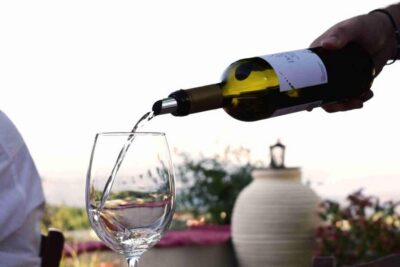
After the cooking work, the day settles into tasting. The class includes tasting local wine and raki, which pairs naturally with the food you made.
From a value standpoint, this matters. Many cooking classes are “recipes plus water.” Here, you get the adult side of the table experience, tied to local drinks. It also turns the meal into a more complete evening-style pause, even though the class ends back at the meeting point.
One helpful consideration: raki and wine can be strong, so if you plan to drive later, keep that in mind. The information you have doesn’t specify transport, so it’s smart to plan your day assuming you might not be fully sober for the rest of the afternoon.
If you’re pairing drinks at home, you’ll probably remember this portion as the moment where flavors stop being technical and start being emotional. The farm story ends and the eating story takes over.
Group size, language, and the pace of a 5-hour day
This is capped at 12 travelers, which is the sweet spot for a hands-on class. You get enough time with the instructors and the family team running the farm experience, without the crowd energy that can slow everything down.
The class is offered in English. That’s especially important for cooking, because details like timing, texture cues, and ingredient choices depend on clear explanations. You’ll have an easier time following the nutritional discussions too.
The class is priced at $131.06 per person, and price varies with the number of people, with group discounts available. Average booking happens about 42 days in advance. That tells me this is popular, and it’s also a sign the provider benefits from planning, likely because farm activities need staffing and ingredient prep.
A 5-hour duration means you should treat it as a real commitment day. It fits well as a mid-morning anchor, especially since it starts at 11:00 am. If you’re the type who likes to do one big activity and then relax, this is a good choice.
Who this class is best for (and who should think twice)
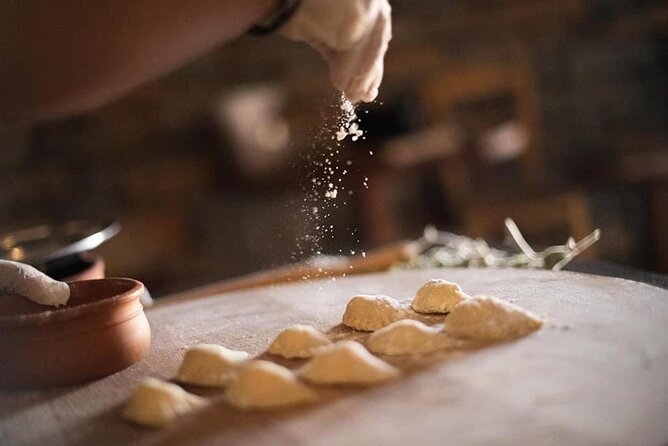
This experience is ideal if you want more than a cooking demo. If you like learning how ingredients connect to local life, you’ll enjoy the farm walk, animal introductions, and the shepherd lifestyle context.
It also suits you if you care about food traditions, especially cheese making. Sheep’s milk cheese is a clear focus, and it makes the class feel tied to Crete rather than a generic Mediterranean menu.
You might think twice if you hate hands-on activities or prefer a short, casual food stop. This is work plus tasting. Also, if you’re sensitive to mountain conditions, plan for comfortable footwear and some time outdoors.
If you’re traveling with service animals, note that service animals are allowed. That makes the experience more workable for people who need that kind of support.
Should you book the Shepherd’s Shelter cooking class?
If your goal is a real Cretan food day, I think it’s a strong yes. The class checks multiple boxes at once: farm tour, sheep’s milk cheese making, cooking a Cretan meal from scratch, and then wine plus raki tastings. That mix is exactly what gives you value beyond the ingredients and the recipes.
Book it especially if you want to see the less obvious side of Crete. The Psiloreiths mount setting and the shepherd focus make it feel like you’re meeting the source of the food, not just its final dish.
I’d only skip it if your schedule can’t handle a full 5 hours, or if you’re uncomfortable with mountain farm logistics. Otherwise, this is the kind of day that leaves you with food knowledge you can actually use, plus a memorable sense of place.
FAQ
What is the duration of the cooking class?
It runs for about 5 hours.
Where does the class meet?
You meet at The Shepherds Shelter, Unnamed Road, Milopotamos 740 51, Greece.
What time does it start?
The start time is 11:00 am.
How big is the group?
The experience has a maximum of 12 travelers.
What languages is the class offered in?
It is offered in English.
What does the class include?
You’ll get a guided tour of the farm, learn how to make cheese from sheep’s milk, prepare a Cretan meal from scratch, work with fresh organic vegetables, hear discussions about the nutritional value of Cretan products, and taste local wine and raki.
How much does it cost?
The price is $131.06 per person, and price varies with the number of people. Group discounts may apply.
Is free cancellation available?
Yes, free cancellation is available if you cancel up to 24 hours in advance for a full refund.
Can I visit on more days?
More days are available upon request.
Recently Published: Crete Tours
- Creta Private Transfer from Heraklion (HER) Airport to Agia Pelagia★ 5.0 · 1 review
- Creta Private Transfer from Heraklion (HER) Airport to Stalís★ 5.0 · 1 review
- VISIT THE MOST FAMOUS PAINTER “EL GRECO” TOUR★ 5.0 · 1 review
- Crete: Balos Beach Viewpoint and Falassrna Beach Day Trip★ 5.0 · 1 review
- Samaria Gorge from Chania with Professional Hiking Guide★ 5.0 · 1 review
- Rethymno Bali & Panormo : Quad Safari & visit Cave 57km 4hours★ 5.0 · 1 review
- Unique wine tasting of organic Cretan wines★ 5.0 · 1 review
- Hersonissos: Private Sunset Catamaran Cruise, Snack & Drinks★ 5.0 · 1 review
Cooking Classes, compared.
Authentic Cooking Class in the White Mountains
Read our review →
Chania Cooking Class-The Authentic Enjoy traditional Cretan meal
Read our review →
Full-Day Jeep Safari Tour with Cooking Lesson
Read our review →
Moires: Cooking Class and Olive Oil Tasting at a Family Farm
Read our review →
Sightseeing Day Trip with Cooking Lesson and Lunch
Read our review →Browse the lists this tour appears in