
Reviewed · WORKSHOPS
Heraklion Crete: Cretan and Greek Dance Lesson at Arolithos
A first-class dance teacher can change your whole trip. At Arolithos Traditional Cretan Village, you get a 2-hour lesson plus a visit to a local folk museum in a setting that feels truly Cretan. I love how the instruction is hands-on, with proper steps for real Greek dances, not just a quick demo. I also like the extra village time, including a terrace welcome drink and a chance to see the old houses and the museum. The main drawback to plan around is location, since there is no hotel pickup, and the drive up can be a little tricky if you rely only on GPS.
You also get a cultural touch that’s hard to fake. The teacher, Maria, is a professional dancer and the leader of the dancing group at Arolithos, and she brings help from dancers like Evi when needed. It’s a friendly setup for beginners, but it is not a low-impact activity, so if you have back issues or you’re looking for a fully seated experience, you should think twice.
In This Review
- Key Things You’ll Notice at Arolithos
- Arolithos Traditional Cretan Village, where dance and daily life meet
- The 2-hour dance lesson: from first steps to Sousta and Zorba
- Village walk and the Rural History and Folk Craft Museum
- Welcome drink on the terrace, plus how the day really feels
- Take home a CD and a dancing certificate, so it doesn’t vanish
- Price and value at $106 per person: what you are really paying for
- Getting to Arolithos from Heraklion: meeting point and practical tips
- Who should book this Cretan dance lesson, and who should skip it
- Should you book the Heraklion Cretan dance lesson at Arolithos?
- FAQ
- What is the duration of the Cretan and Greek dance lesson at Arolithos?
- Where do I meet for the tour?
- Is hotel pickup and drop-off included?
- What’s included in the price?
- What language is the guide?
- Is the experience wheelchair accessible?
- What should I bring or wear?
- Is the class suitable for everyone?
Key Things You’ll Notice at Arolithos
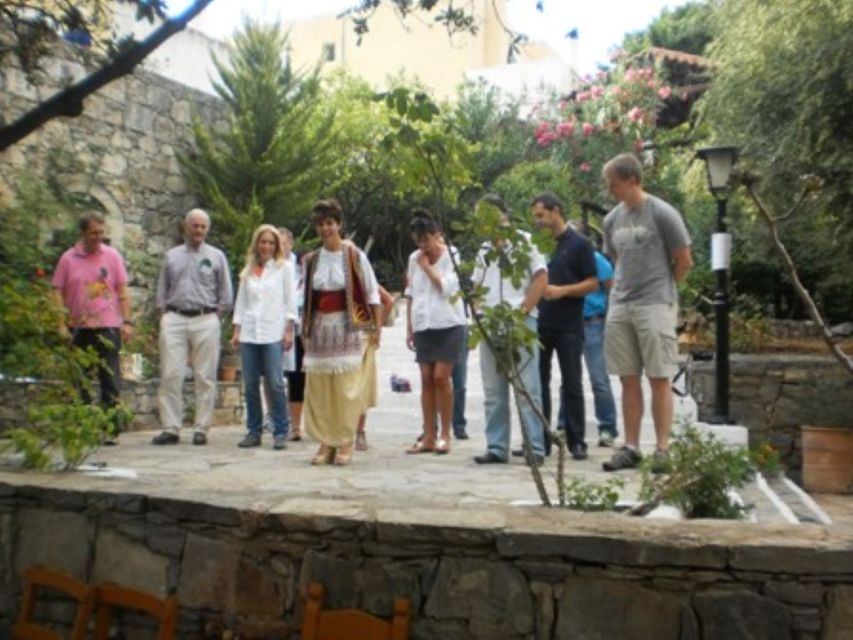
- Maria teaches real steps for Cretan and Greek dances like Sousta and Zorba the Greek.
- Private group feel so you can learn at your level, not watch from the edge.
- Museum visit included, tied to rural history and folk crafts, not just a quick photo stop.
- Welcome drink on the terrace with a panoramic view, before you start moving.
- Take-home music with a complimentary CD, plus a dancing certificate at the end.
Take a skill home besides the tan
- Chania: Authentic Cooking Class in the White Mountains
★ 4.9 · 529 reviews - Heraklion: Beginner Scuba Diving Lesson with PADI Instructor
★ 4.9 · 355 reviews - Chania Cooking Class-The Authentic Enjoy traditional Cretan meal
★ 5.0 · 339 reviews - Cretan Cooking Class and Olive Oil Tasting
★ 5.0 · 178 reviews - Moires: Cooking Class and Olive Oil Tasting at a Family Farm
★ 5.0 · 93 reviews
Arolithos Traditional Cretan Village, where dance and daily life meet
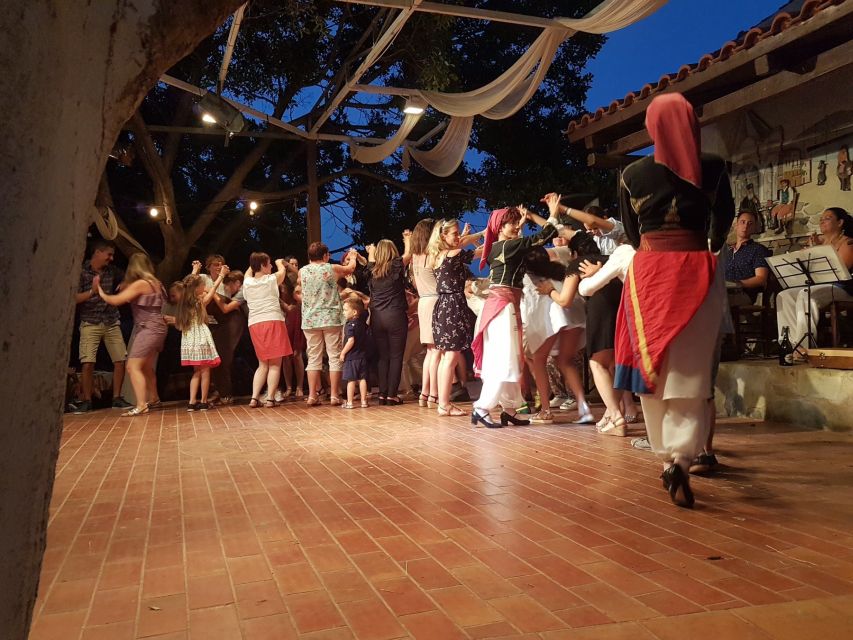
Arolithos Traditional Cretan Village is the kind of place where you can understand why dancing matters. Instead of learning steps in a studio, you’re taught inside a traditional setting, surrounded by old village buildings and a slower rhythm. You meet at the village on the 11th kilometer old road from Heraklion to Rethymnon, so it’s not in the center of the big city chaos.
This matters for two reasons. First, it helps you read the dances in context, since Cretan and Greek folk dancing grew from community life, weddings, feasts, and social gatherings. Second, it gives you a “hold still for a second” moment, because after the class you can linger at the tavern and relax by the swimming pool if you want.
Just know what you’re signing up for. This is an active cultural experience, and you’ll spend time on your feet wearing comfortable shoes. The dress code is smart casual, which is a nice change from overly strict “costume only” rules, but it still means you’ll look a bit more put-together than you would in gym clothes.
The 2-hour dance lesson: from first steps to Sousta and Zorba
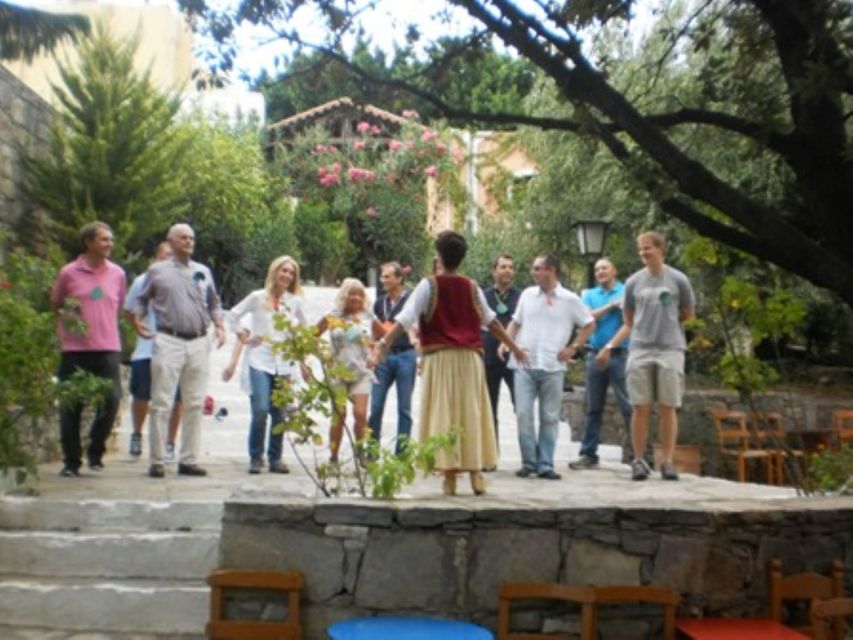
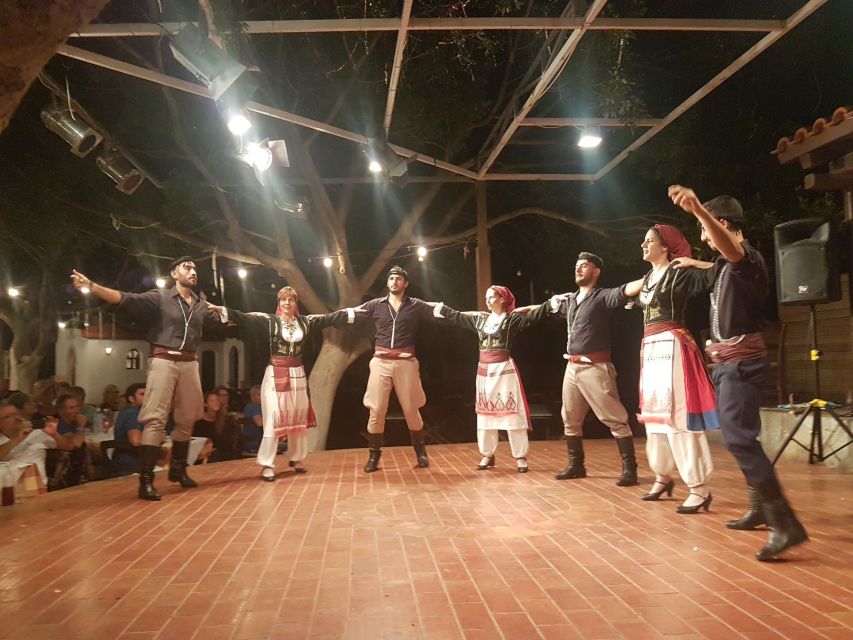
The main event is a 2-hour dance lesson guided by Maria, a professional dancer in Cretan and Greek dances. She teaches you in a traditional uniform, and the goal is practical: you should leave able to perform recognizable dance moves, not just memorize steps for five minutes.
The lesson structure is built around learning popular dances of Crete and Greece. Based on what’s offered, expect dances such as:
- Sousta
- Zorba the Greek
- Other popular Cretan and Greek dances as taught during the session
You’ll learn first steps first, then build up. That’s important, because some folk dances can look simple from afar, but they rely on rhythm, footwork, and timing as a group. A good class doesn’t just tell you where to put your feet, it helps you find the beat and stay balanced while moving.
One detail I really appreciate is that the instruction is designed to fit kids and adults, with help when it’s needed. Evi, described as one of the best Cretan dancers in the area, sometimes assists to help the lessons land smoothly. That kind of support usually means less confusion for beginners and more confidence for people who are nervous about looking awkward.
If you’re used to structured dance schools, you’ll likely recognize the teaching approach: start with foundations, practice in short chunks, then stitch it together. If you’re a total beginner, that’s exactly why the timing works. It gives you enough repetition to remember, without dragging on so long that you run out of energy.
Village walk and the Rural History and Folk Craft Museum
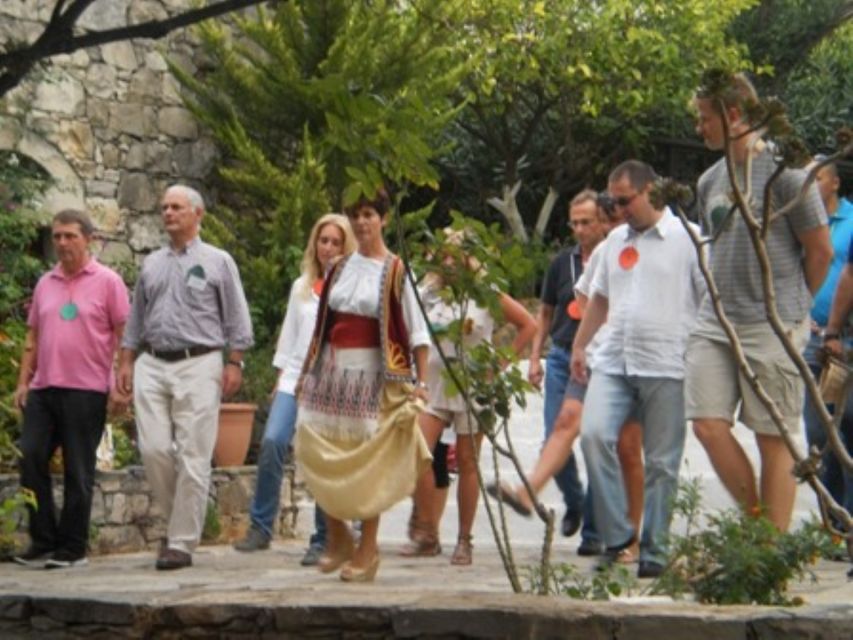
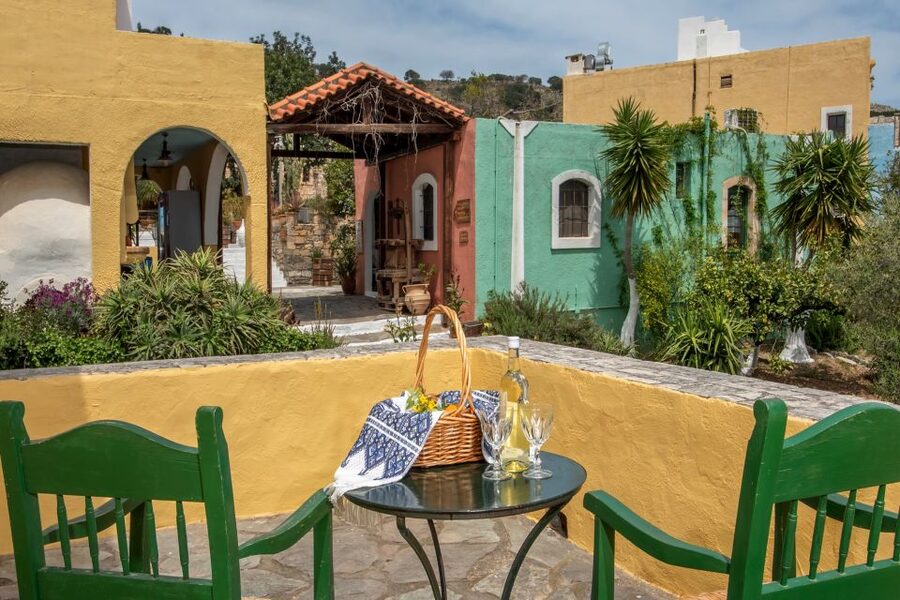
After your welcome moments, the experience includes time to explore Arolithos. You’ll get a short tour of the village, with a look at old houses and other parts of the community. This isn’t presented as a museum lecture from behind a rope. You’re shown around, and the village itself works like a visual lesson.
Then comes the Rural History and Folk Craft Museum, where the focus shifts from movement to meaning. Folk crafts and rural life are the roots of a lot of the cultural rhythm behind these dances. Even if you don’t know the background stories, seeing how people lived and made things helps your brain connect the dots between the dance and the everyday culture that created it.
Aatrolithos also seems to be designed for small questions as you go. You can ask about what you’re seeing, especially during the guided walk. That flexibility is one reason this tour works well for mixed groups, like adults with kids, or people who want something cultural without a long lecture format.
Welcome drink on the terrace, plus how the day really feels
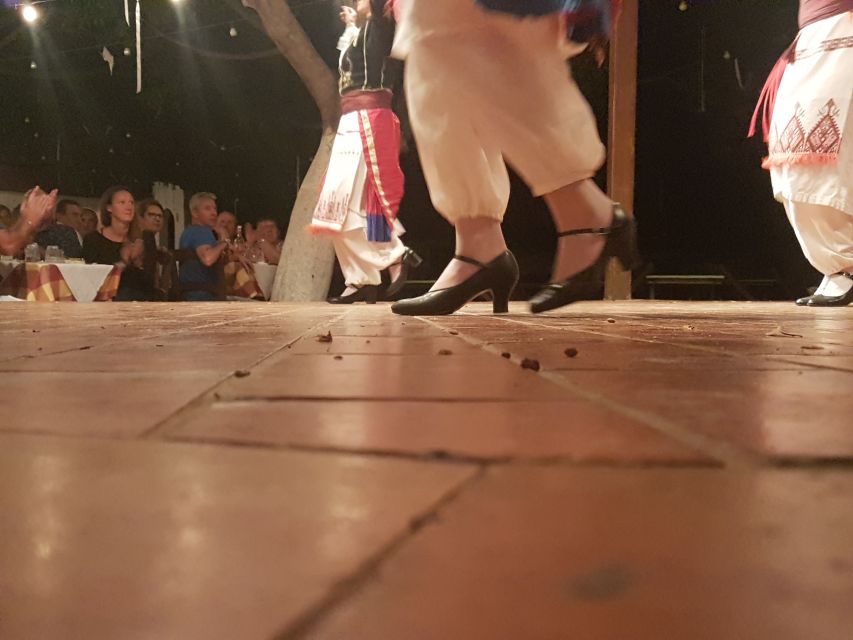
Before you start dancing, you get a welcome drink on the terrace with a panoramic view. This is more than a perk. It’s a quick reset, and it helps the group feel relaxed before stepping into a dance lesson.
The atmosphere tends to be calm compared to big-city tours. The village is described as quiet, and that’s a plus if you want less noise and more space to talk and learn. If you’re the type who craves constant movement and activity, you might find the pace slower than you expect, but it’s also part of the charm.
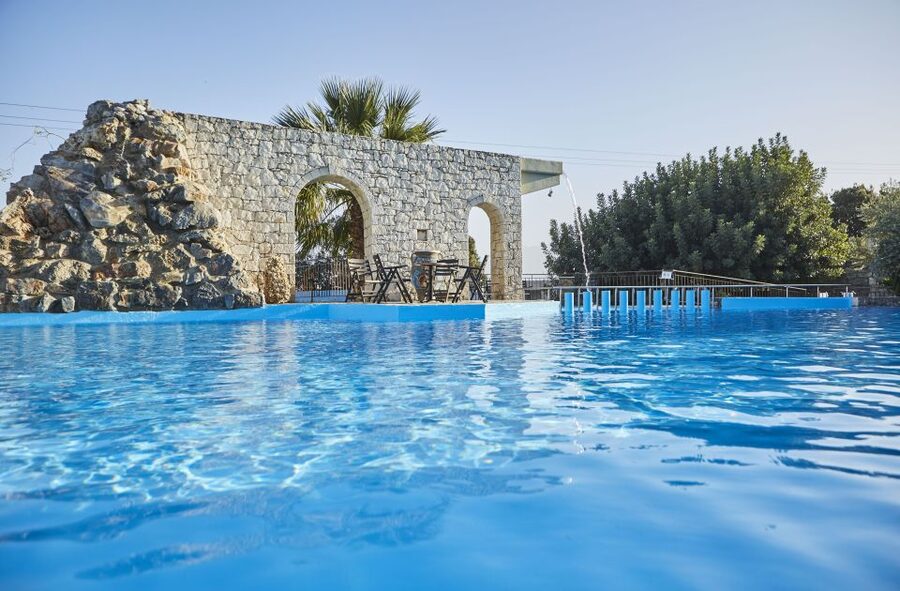
After class, you can keep the day going in a practical way. The tavern and swimming pool are options in your own free time at the village, so you’re not stuck rushing off immediately. For many people, that extra “hangout time” is where the experience turns into a relaxed vacation memory instead of a quick activity stop.
Take home a CD and a dancing certificate, so it doesn’t vanish
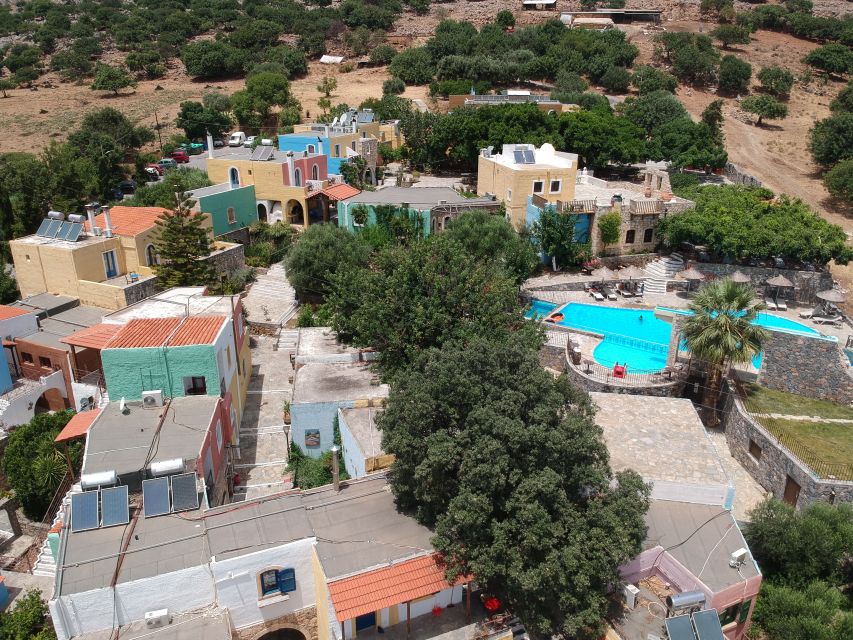
Most dance classes give you memories. This one also gives you something you can use later. At the end, Maria offers you a copy of a CD with Greek and Cretan music, plus a dancing certificate.
That combination is smart. Music is what keeps the dance alive after you leave Crete. If you take the CD home, you can replay the rhythms, practice the feel, and even remind yourself how the steps fitted together. And the certificate is a fun memento that’s especially satisfying if you’re traveling with kids or you’re collecting “I did this” proof of cultural experiences.
There’s another subtle benefit: when you have a physical reminder, you’re more likely to remember details accurately. Without that, folk dance memories blur fast. With music and a certificate, your brain has anchor points.
Not ready to stop exploring Crete? Try one of these.



Price and value at $106 per person: what you are really paying for
At $106 per person for a 2-hour experience, it is not the cheapest thing you’ll do around Heraklion. So the question is value. Here’s what justifies it, based on what’s included:
- A professional guide who teaches the dances
- Entrance fees for the museum experience
- A village tour portion, not only the dance class
- A complimentary CD with Greek and Cretan music
- A dancing certificate
- A small, private group setup
The value logic is simple: you’re paying for coaching time, not a generic cultural walkthrough. You’re also paying for the museum entry and access to a traditional village setting. If your goal is a quick taste of Cretan culture with active participation, this tends to be worth it.
If your goal is a bargain dance class, you might feel sticker shock. One way to decide is to compare not just the price, but the deliverables. Ask yourself if you’d want a music CD, museum access, and a village walk, or if you only want a single hour of movement. This experience clearly tries to package the day into something complete.
Getting to Arolithos from Heraklion: meeting point and practical tips
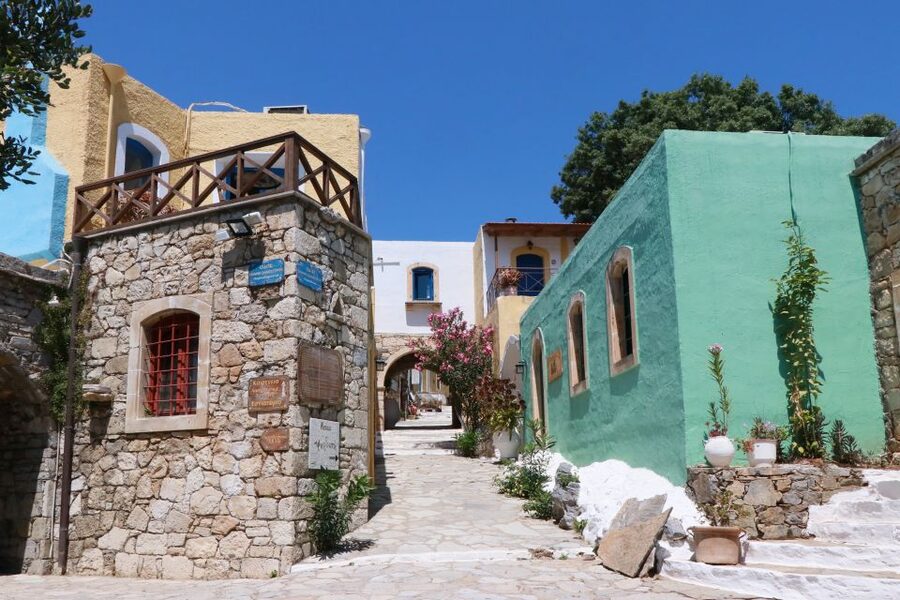
There is no hotel pick-up or drop-off, so plan your own transport. The meeting point is Arolithos Traditional Cretan Village, at the 11th kilometer old road way Heraklion to Rethymnon.
This matters because the approach can feel like a drive into a more remote, higher area. If you’re using GPS, treat it like a helpful assistant, not an authority. Give yourself extra time and be ready to follow directions carefully once you get close.
Once you arrive, you should be fine as long as you dress for walking and moving. Bring passport or ID card. Wear comfortable shoes, because you’ll practice dance steps and walk through the village and museum areas.
Smart casual is the dress code. That usually means something like a nicer top and trousers or comfortable pants, not flip-flops. You don’t want to slip during footwork practice.
One more practical note: the experience is not wheelchair accessible, and it is not recommended for participants with back problems. Also, it is not suitable for pregnant women. If any of that applies, I’d treat it as a hard stop rather than a “maybe.”
Who should book this Cretan dance lesson, and who should skip it
This tour is a great fit if you want an authentic cultural activity without needing prior dance experience. You’ll like it if:
- You want to learn recognizable Greek dances like Sousta and Zorba the Greek
- You’re traveling with kids and adults in the same group
- You prefer small-group attention instead of being part of a big crowd
- You care about folk crafts and rural history, not only performance
It’s less ideal if:
- You need wheelchair access or a fully seated experience
- You have back problems or mobility limitations that make dancing unsafe
- You want a passive sightseeing day only
Should you book the Heraklion Cretan dance lesson at Arolithos?
If your dream is to leave Crete with more than photos, I’d book it. The combination is the strong part: real dance teaching, a guided village experience, and a museum stop tied to rural life and folk craft. Add the music CD and dancing certificate, and the experience continues after the class ends.
Just be honest about logistics and physical fit. With no hotel pick-up and an active lesson format, you’ll enjoy it most if you can handle the drive and you’re comfortable moving for the full session. If that sounds like you, this is exactly the kind of memorable, hands-on Crete cultural experience that makes a trip feel personal.
FAQ
What is the duration of the Cretan and Greek dance lesson at Arolithos?
The experience lasts 2 hours.
Where do I meet for the tour?
You meet at Arolithos Traditional Cretan Village, 11th kilometer old road way Heraklion to Rethymnon.
Is hotel pickup and drop-off included?
No, hotel pickup and drop-off are not included.
What’s included in the price?
The price includes entrance fees, a professional guide, and a copy of a CD with Cretan and Greek music. You also get a dancing certificate at the end.
What language is the guide?
The live guide is available in English and Greek.
Is the experience wheelchair accessible?
No, it is not wheelchair accessible.
What should I bring or wear?
Bring your passport or ID card and wear comfortable shoes. Dress code is smart casual.
Is the class suitable for everyone?
It is not suitable for pregnant women, and it is not recommended for participants with back problems.
Recently Published: Crete Tours
- Creta Private Transfer from Heraklion (HER) Airport to Stalís★ 5.0 · 1 review
- Creta Private Transfer from Heraklion (HER) Airport to Agia Pelagia★ 5.0 · 1 review
- VISIT THE MOST FAMOUS PAINTER “EL GRECO” TOUR★ 5.0 · 1 review
- Crete: Balos Beach Viewpoint and Falassrna Beach Day Trip★ 5.0 · 1 review
- Samaria Gorge from Chania with Professional Hiking Guide★ 5.0 · 1 review
- Rethymno Bali & Panormo : Quad Safari & visit Cave 57km 4hours★ 5.0 · 1 review
- Unique wine tasting of organic Cretan wines★ 5.0 · 1 review
- Hersonissos: Private Sunset Catamaran Cruise, Snack & Drinks★ 5.0 · 1 review
Workshops, compared.
Authentic Cooking Class in the White Mountains
Read our review →
Beginner Scuba Diving Lesson with PADI Instructor
Read our review →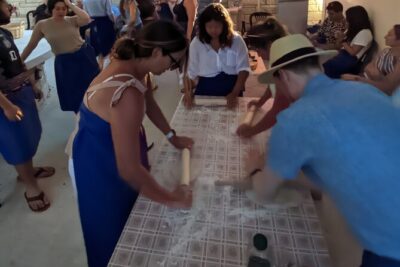
Chania Cooking Class-The Authentic Enjoy traditional Cretan meal
Read our review →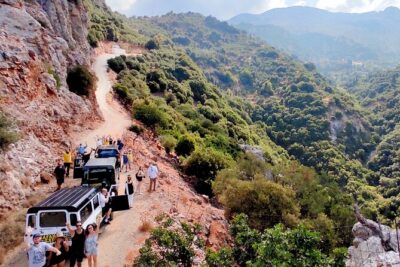
Full-Day Jeep Safari Tour with Cooking Lesson
Read our review →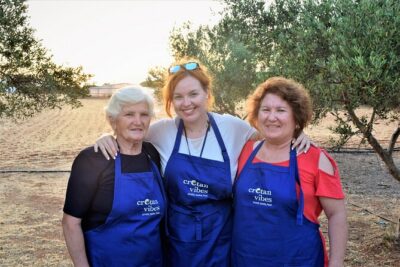
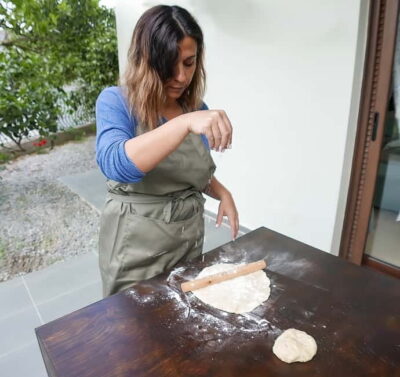
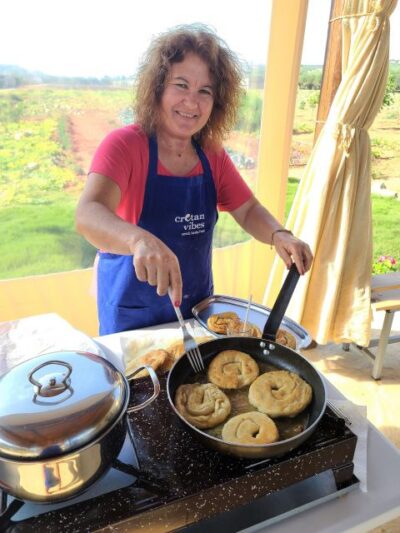
Moires: Cooking Class and Olive Oil Tasting at a Family Farm
Read our review →
Sightseeing Day Trip with Cooking Lesson and Lunch
Read our review →Browse the lists this tour appears in