
Reviewed · CRETAN WINE TASTINGS
Small-Group Wine Tasting Activity in West Chania
Five wines in a quiet mountain village.
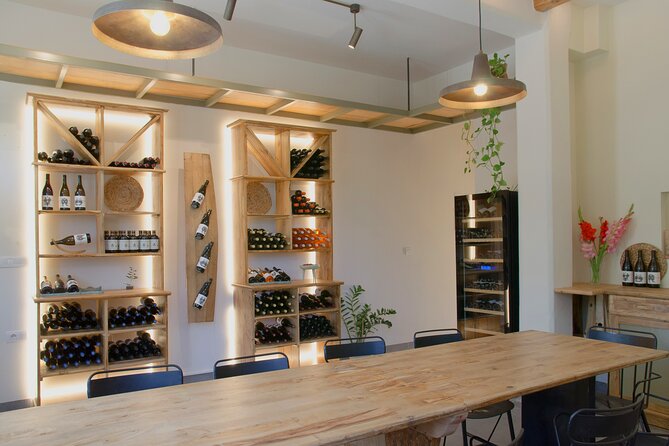
This small-group tasting at PoTolo in Kissamos, West Chania, focuses on Chania’s small winemakers and lets you understand what makes their bottles different. You’ll sip five local wines and pair them with Cretan treats, all while getting a clear, human-scale story behind how the grapes become wine.
I especially love the small group size (max 10), because it keeps the pace relaxed and the questions coming. I also like the food pairing style, where the cheeses, savory pies, honey, and olive oil are there to help each wine make sense on your tongue.
One consideration: it runs about 1 hour 30 minutes, so if you’re looking for a long, walking-style tour, this will feel more like a focused tasting session than a full-day outing.
In This Review
- Key highlights you should not miss
- Where PoTolo fits in West Chania
- What the tasting actually looks like (the full flow)
- The five wines: how to taste like a pro without trying
- Pairings that actually do the work
- The Crete winemaking story, in the way you’ll remember
- Meet the people behind PoTolo
- Where the meeting point matters for your day
- Price, value, and what you are really paying for
- Best-fit travelers (and who might want something else)
- Practical tips so you enjoy the whole session
- Should you book PoTolo’s small winemakers tasting?
- FAQ
- How long is the Small-Group Wine Tasting in West Chania?
- How much does it cost?
- Is the tour offered in English?
- What wines and food are included?
- Is there an age limit for wine?
- How many people are in the group?
- What happens if the weather is bad or you cancel?
Key highlights you should not miss
- Five wines from Chania-area producers: a proper flight, not just one or two pours
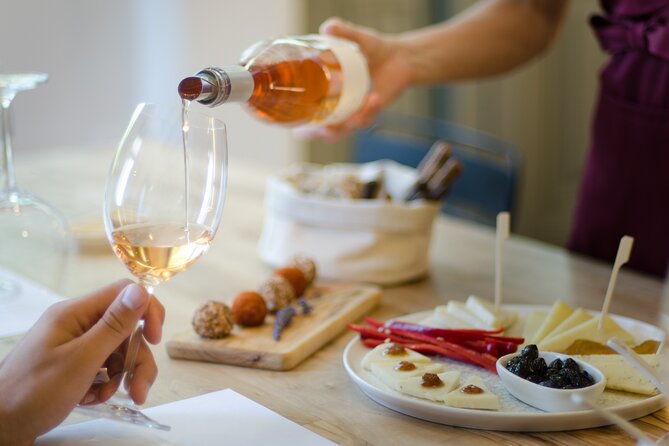
- Pairings you can taste through: artisanal cheeses, savory pies, honey, and olive oil
- Winemaking context in plain English: how Crete’s history and methods connect
- Max 10 people, small and friendly: more conversation, less waiting in line
- Hosts with a real attachment to place: Mirsini, Stratos, and the team share their passion in a laid-back way
- Mobile ticket, English service: straightforward planning, easy to follow along
Indigenous grapes grown nowhere else
- From Chania: Olive Oil, Wine, Cheese & Honey Tasting Tour
★ 4.6 · 490 reviews - From Chania: Wine and Olive Oil Tasting Tour with Snacks
★ 4.8 · 354 reviews - Crete: Full-Day Cretan Wines, Olive Oil, Raki and Food Tour
★ 5.0 · 264 reviews - Cretan Wines & Olive oil tour – The treasures of Crete
★ 5.0 · 147 reviews - Heraklion: Cretan Wine Tasting Tour & Gourmet Lunch
★ 5.0 · 109 reviews
Where PoTolo fits in West Chania
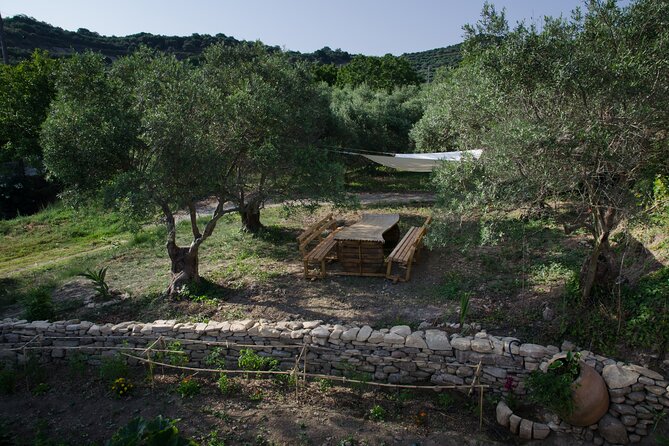
If you’re basing yourself around Chania and Kissamos, this tasting is a smart way to spend an afternoon without burning daylight on logistics. It’s centered on a tranquil mountain village vibe, and that calm matters. You can actually pay attention to what’s in the glass, instead of rushing from stop to stop.
The session is designed for conversation. That small group cap of 10 travelers is a big deal here. When the group is that size, the host can slow down, adjust explanations, and make the tasting feel like a visit, not a performance.
It also helps that it’s in English. You’re not stuck guessing what you’re tasting. You’re learning what to look for, smell for, and compare across the flight.
What the tasting actually looks like (the full flow)
This is about five wines and how they change as they meet food. Expect a start that feels like a welcome, then a structured tasting rhythm where each wine gets its own moment.
First, you’ll get introduced to the theme: small winemakers of Chania, guided by local producers who have a personal stake in their vineyards and their methods. You’ll also hear how the hosts connect wine choices to place, which is the point. Cretan wine isn’t just a product. It’s tied to grape varieties, practical farming, and local know-how.
Next comes the tasting flight. Each pour is paired with locally sourced bites so you can compare flavors instead of tasting in isolation. That’s why the snacks include more than one type. You’ll have:
- Artisanal cheeses to match structure and acidity
- Savory pies for a salty, comforting contrast
- Honey and olive oil so sweetness and savory fats show up in the tasting
Then the session shifts toward meaning. The host talks about the winemaking history of Crete and the processes used by the selected winemakers. This is where the experience becomes more than drinking. You learn what’s behind the glass, and you can taste with context.
Finally, you wrap up back where you started. It’s a clean, self-contained experience with no pressure to keep going afterward.
The five wines: how to taste like a pro without trying
You do not need to be a wine expert to enjoy this. The format is built for real learning, with enough structure that you can remember what you liked and why.
Here’s the simple way to approach the flight. Use the pairing as your anchor, not your expectations.
- Taste the wine first, then take a bite of the pairing.
- Notice what changes. Does the wine seem softer with cheese? Does the savory food bring out fruit notes or reduce harshness?
- Compare wine to wine, not your memory versus your palate.
Because the session includes five wines, you get a real chance to see variety in style. Even if you usually prefer only one type of red or one type of white, that flight format often helps you discover what else you like.
One practical tip: go in with a mindset of comparison. Instead of thinking, I should be able to name this, think, what am I feeling right now, and how does the food shift it? That’s the fastest route to enjoyment.
Pairings that actually do the work
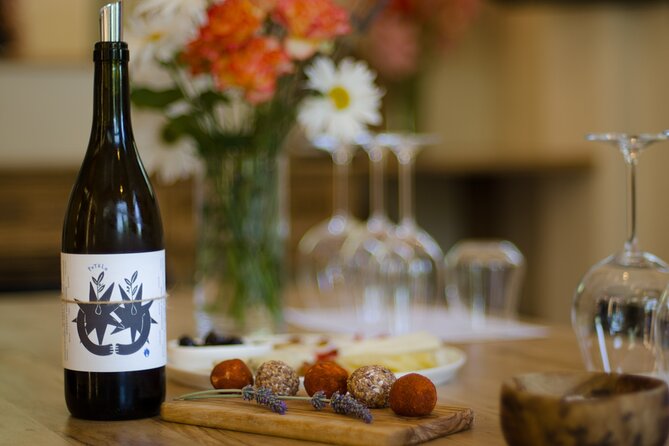
The pairing is not filler. It’s part of the method. I like that the snacks are Cretan and locally sourced, because they bring familiar flavors into the tasting.
Cheese gives the classic pairing function. It often softens tannins and can highlight acidity, depending on the wine. Savory pies add a deeper salty note and a little comfort, which can make certain wines feel more rounded.
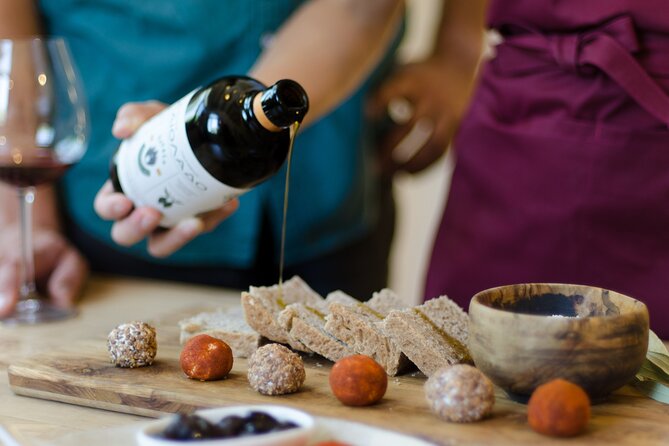
Then come two ingredients that can surprise first-timers: honey and olive oil. Honey adds sweetness and aroma, which can make some wines feel more aromatic and balanced. Olive oil does something different. It coats the palate and changes how flavors land, especially for wines that need a bit of texture to feel complete.
If you’re the type who wants to eat well while drinking responsibly, this setup is a win. You’re not just tasting. You’re building a flavor map.
The Crete winemaking story, in the way you’ll remember
Wine history can get heavy and vague. Here, the emphasis is practical. You’ll get insights into Crete’s winemaking history and the unique processes the selected winemakers use.
What makes this valuable is not the fact that history exists. It’s the way the host connects past and present choices to what you’re tasting now. If you understand why certain techniques are used, you start tasting with purpose.
In Cretan wine, local methods often reflect real constraints: local grapes, climate realities, and generations of trial and improvement. When someone explains that clearly during your tasting, you leave with a new mental framework, not just a list of facts.
And because it’s a small, laid-back group, you’re more likely to ask questions. When you can ask, you learn faster.
Plenty else to see around Crete


Meet the people behind PoTolo
The human side is a big reason this experience consistently lands well. The session is run like a small business with a real focus on care for the environment and the community.
In particular, names show up in the stories from past visitors. You may hear from Mirsini as the main guide during the tasting, and Stratos is also mentioned in connection with hospitality. There’s also mention of Alex handling communication, which matters because getting there smoothly is half the battle when you’re in a new area.
What I’d take from that, as a traveler: expect warmth and clarity. If you arrive with questions, the team is ready to answer in a friendly way. This is not a stiff tasting where you’re afraid to speak.
Where the meeting point matters for your day
You start at PoTolo’s tasting location at PoTolo | Tasting Experiences, Tsourouniana, 730 10, Greece. It ends back at the meeting point, which keeps things simple.
Because it’s about 1 hour 30 minutes, you can plan it as a neat block in your schedule. Do it when you want a calmer wining and learning moment, not when you’re trying to squeeze in three other big activities.
If you’re driving, build in a little buffer for getting settled. Small mountain villages can be easy to miss if you’re moving fast. If you’re using a taxi or rideshare, check the pickup instructions ahead of time so you’re not negotiating at the last minute.
Price, value, and what you are really paying for
At $59.17 per person, the price can look either steep or reasonable depending on what you usually get from tastings.
Here’s the value logic that makes sense for this one:
- You get five wines, which is a real flight rather than a token sampling.
- You get pairings that are part of the tasting method, not just a snack platter.
- You get context about Crete and the producers behind the bottles, in English.
- You get an intimate group size that makes it easier to learn and ask questions.
If you’ve done tastings where you spend most of the time waiting, or where the food barely matters, this will feel more efficient. You’re paying for a guided experience that has a clear structure and thoughtful pairing.
If you’re only interested in buying a bottle at the end and you don’t care about learning, you might decide it’s not your thing. But if you want a better tasting experience than a bar pour, this is priced like it understands what you’re there for.
Best-fit travelers (and who might want something else)
This tasting is especially good if you:
- Want a relaxed small-group experience
- Like learning what’s behind what you taste, without it turning into a lecture
- Enjoy food pairings, especially Cretan staples like cheese and pies
- Are spending time around West Chania and Kissamos and want something local
You might choose a different type of tour if you’re seeking:
- A long sightseeing route with multiple stops
- An all-day schedule with lots of walking
- A purely beginner or purely advanced wine class
But for most people who want a quality stop in a tight time window, this hits the sweet spot.
Practical tips so you enjoy the whole session
A few simple details will make your hour and a half smoother.
First, plan for the 18+ wine requirement. The tasting is designed for adults, and homemade juice is served instead for anyone under 18. So if you’re traveling with mixed ages, you already know how that part works.
Second, since it’s good weather dependent, keep an eye on conditions. If weather turns, the experience may be canceled and you’ll be offered another date or a full refund.
Third, bring curiosity, not credentials. The best way to get value here is to taste actively. Ask, compare, and use the snacks to guide your palate.
Fourth, consider footwear and comfort. You’re in a mountain village setting. It’s not a hike, but you’ll likely appreciate being comfortable while you settle in.
Should you book PoTolo’s small winemakers tasting?
I’d book this if you want a focused, local, and friendly wine experience in West Chania. The big wins for most people are the max 10 group size, the thoughtful pairings with cheese, pies, honey, and olive oil, and the chance to understand Crete winemaking history and processes in a way that sticks.
I’d skip or swap if you’re looking for a long multi-stop itinerary or you prefer tastings where you’re mostly on your own. This is guided, structured, and meant to be savored.
If you’re still deciding, think of it like this: you’re buying a short guided lesson in how Cretan small winemakers think, paired with enough food to make the tasting enjoyable, not just educational.
FAQ
How long is the Small-Group Wine Tasting in West Chania?
The experience runs about 1 hour 30 minutes.
How much does it cost?
It costs $59.17 per person.
Is the tour offered in English?
Yes. The experience is offered in English.
What wines and food are included?
You’ll taste five wines and you’ll have locally sourced snacks to pair with them, including artisanal cheeses, savory pies, honey, and olive oil.
Is there an age limit for wine?
The tasting is for people above 18 years old. Homemade juice is served instead to people under 18.
How many people are in the group?
The group size has a maximum of 10 travelers.
What happens if the weather is bad or you cancel?
You can cancel for a full refund if you cancel at least 24 hours in advance. The experience requires good weather, and if it’s canceled due to poor weather, you’ll be offered a different date or a full refund.
Recently Published: Crete Tours
- Creta Private Transfer from Heraklion (HER) Airport to Agia Pelagia★ 5.0 · 1 review
- Creta Private Transfer from Heraklion (HER) Airport to Stalís★ 5.0 · 1 review
- VISIT THE MOST FAMOUS PAINTER “EL GRECO” TOUR★ 5.0 · 1 review
- Crete: Balos Beach Viewpoint and Falassrna Beach Day Trip★ 5.0 · 1 review
- Samaria Gorge from Chania with Professional Hiking Guide★ 5.0 · 1 review
- Rethymno Bali & Panormo : Quad Safari & visit Cave 57km 4hours★ 5.0 · 1 review
- Unique wine tasting of organic Cretan wines★ 5.0 · 1 review
- Hersonissos: Private Sunset Catamaran Cruise, Snack & Drinks★ 5.0 · 1 review
Cretan Wine Tastings, compared.

Land Rover Safari with Sunset Viewing, Dinner, & Wine
Read our review →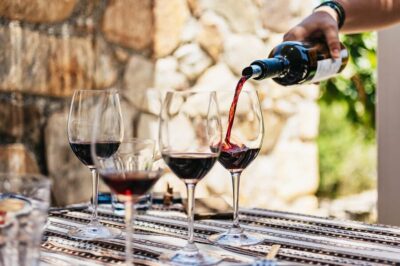

Full-Day Cretan Wines, Olive Oil, Raki and Food Tour
Read our review →
Wine & Olive Oil Tour with Lunch at Milia Mountain Retreat
Read our review →
Heraklion SUV Private Guided Wine Tour with Lunch
Read our review →
Wine & Olive Oil Tour with Lunch – Semi Private Safari Tour
Read our review →Browse the lists this tour appears in