
Reviewed · OLIVE OIL TASTINGS
Chania Olive Oil Tasting and Cooking Class
A family estate dinner that actually feels personal. You get olive oil tasting, a kalitsounia cooking class, and a walk through the groves of a Venetian-era property outside Chania. What I like most is the small, hands-on format, and that the hosts, Eleanna, Anna, and Eleni, are focused on real home traditions rather than a script. The only real catch to consider is that you will handle your own way to the meeting point, and the evening timing means comfy shoes help.
This is a 3.5-hour experience in a historic 15th-century Venetian castle-estate that is more home than museum. You’ll taste olive oil they make themselves, cook side by side, and eat what you make with local wine for legal-age guests. I also appreciate the practical details built in, like the chance to tell the hosts about allergies in advance.
In This Review
- Key highlights you will actually care about
- A Venetian-era estate outside Chania, and why that matters
- Finding the meeting point at 6:00 pm and planning for an evening class
- Walking the groves first: olives, citrus, and the land behind the flavor
- Olive oil tasting that’s more than a sip
- Cooking kalitsounia with Eleanna, Anna, and Eleni
- What you actually eat: kalitsounia meal plus local wine
- Who this is best for (and who might prefer something else)
- Price and value: is $127.61 per person worth it?
- Tips to get the most from your evening
- Should you book the Chania Olive Oil Tasting and Cooking Class?
- FAQ
- What time does the Chania olive oil tasting and cooking class start?
- How long is the experience?
- What is included in the ticket price?
- Do I need to arrange transportation?
- Is wine included for everyone?
- What should I do if I have allergies?
- What is the group size?
- Is there a cancellation option if plans change?
Key highlights you will actually care about
- Venetian castle estate, not a museum stop: you are there to experience how a family lives on the land.
- Three hosts, three perspectives: Eleanna, Anna, and Eleni guide the night and keep it personal.
- Hands-on kalitsounia cooking: you do the work, not just watch.
- Olive oil tasting with context: you learn how their oil fits into daily health and tradition talk.
- Small group size (max 20): easier conversation, less waiting around.
- Terrace meal with local wine: you finish with what you cooked, plus wine for legal-age guests.
Groves that have produced oil for generations
- Crete: Quad Safari, Olive Mill with Tasting & Ghost Village
★ 4.9 · 1,004 reviews - From Chania: Olive Oil, Wine, Cheese & Honey Tasting Tour
★ 4.6 · 490 reviews - Crete: Road-trip to Lasithi, Zeus Cave & Olive Mill Farm
★ 4.4 · 451 reviews - From Chania: Wine and Olive Oil Tasting Tour with Snacks
★ 4.8 · 354 reviews - The Terra Creta Olive Oil Experience Tour
★ 4.7 · 344 reviews
A Venetian-era estate outside Chania, and why that matters
Chania is the kind of place where you can fill your days with beaches, harbors, and old streets. This experience is different. It shifts the focus from sightseeing to food and land, on a family property that includes a 15th-century Venetian castle. Instead of treating the site like a photo backdrop, the night flows through the estate as part of everyday life.
That setting changes your expectations. You are not moving through separate, staged “rooms” with a big group. You are walking the groves, tasting at ground level, then cooking upstairs on a terrace with views. The practical result is that you spend less time in transit and more time doing the good stuff, learning by doing, and eating while the atmosphere is still warm and lived-in.
This is also a clear value play for your evening. For a single ticket, you get a guide, olive oil tasting, ingredients and tools, and the meal, including local wine. The price is not cheap, but it is not just paying for someone to talk while you sit. You are paying for access, instruction, and the fact that you get to eat what you make.
Finding the meeting point at 6:00 pm and planning for an evening class
The tour starts at 6:00 pm at Agiou Eleftheriou 66, Nerokouros 733 00, Greece. The activity ends back at the same meeting point. That round-trip setup is helpful. It makes your evening easier to plan, because you are not stuck figuring out a return route after dinner.
One logistical point to note: private transportation is not included. If you are staying in central Chania, you will need to arrange your own transport to the start location. If you are traveling with limited mobility, you should also expect some walking on uneven outdoor ground because the program includes moving through groves before you cook.
Also, this runs about 3 hours 30 minutes. Build in buffer time before and after. Arrive a few minutes early if you can, just to settle in, meet your hosts, and get oriented before the evening starts rolling.
Finally, it is a small-group experience, capped at 20 travelers, which usually means less waiting and more interaction. Still, you should expect a real class pace: active time outdoors, then hands-on cooking, then eating together.
Walking the groves first: olives, citrus, and the land behind the flavor
One of the smartest parts of the evening is the order. You start outside, moving among trees, before you touch dough or taste oil. That means the food story makes sense right away. When you later eat kalitsounia, you are not just enjoying cheese pies. You understand the land and ingredients that get linked to the taste.
You’ll walk among olive, avocado, citrus, and other trees. The night is guided by Eleanna, Anna, and Eleni, and the talk includes myths and traditions tied to the natural world. There is also a health and healing angle through nature, which gives the olive oil tasting more weight than a simple sip and smile.
You may also hear about a love tree, a detail that signals this is not a generic tasting route. It’s a family’s living space with landmarks that matter to them. Even if you are not a “myths person,” the practical value is that the hosts make ingredients feel personal, not abstract.
What to watch for here: after you taste olive oil, it is easy to overthink the flavors. Stay relaxed. The goal of the first segment is context and connection, not scoring the oil like a judge. If you want to get more out of it, take small sips slowly and pay attention to how the oil feels in your mouth, not just how it smells.
Olive oil tasting that’s more than a sip
Olive oil tasting often turns into a quick pour, a quick explanation, then people rush on. Here, the olive oil tasting is framed as part of how the family lives. You’ll taste their olive oil, and you’ll learn how olive oil production and daily traditions connect, including health and healing themes the hosts bring up.
There are a few ways to make the most of this without being the overly serious type:
- Take smaller tastes instead of finishing in a hurry. You will pick up changes as your palate adjusts.
- Notice aroma first, then flavor. The hosts will likely explain what to look for.
- If you have dietary sensitivities, tell the guide. You can notify them of allergies in advance.
The value of the tasting is that it connects the oil to food and routine. You are not just learning facts about olives. You are learning why this ingredient is treated with respect in everyday Cretan life.
And since you are doing this before cooking, the tasting also primes your taste for the kalitsounia you make. When you put something in a pastry, you start paying attention to how ingredients behave. That makes the class feel like a real skill-building session rather than a loose meal.
Cooking kalitsounia with Eleanna, Anna, and Eleni
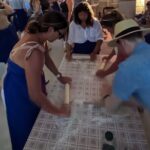
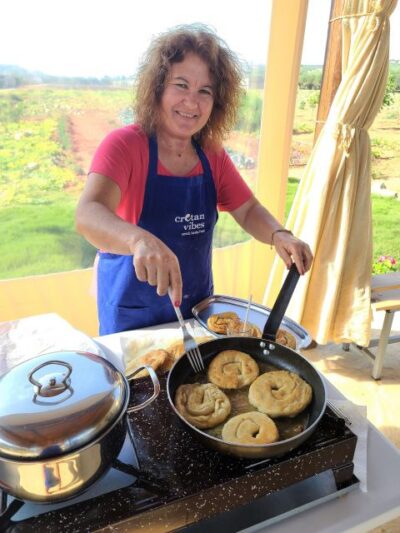
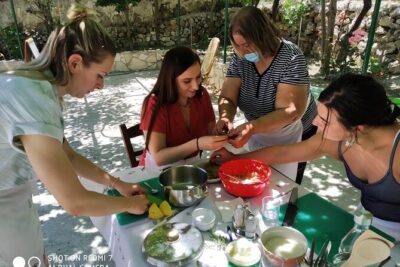
Kalitsounia is one of those foods that sounds simple until you try to make it. The best part of this class is that you cook together with the hosts, in real time. You’re not watching a demonstration. You’re learning through repetition and small corrections.
The cooking happens high on the terrace with stunning views. That setting matters more than you might think. Food lessons can feel tense when you are crouched over a hot surface, but here the terrace vibe helps. You can look up between tasks. You’re social, you’re working, and you’re still enjoying the landscape while you learn.
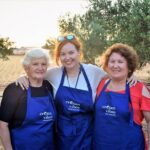
Eleanna, Anna, and Eleni each bring their own voice. That difference is useful. You get multiple teaching styles and more chances to ask questions. Also, when more than one person explains the same step, you usually understand it faster, even if you are a slow dough person.
What you should expect during cooking:
- Ingredients and tools are provided
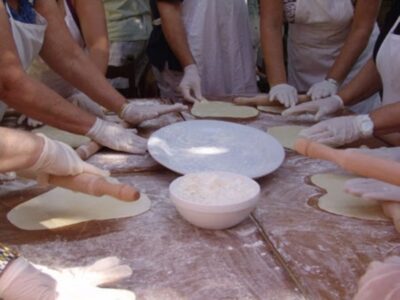
- You follow along step by step to assemble kalitsounia
- You taste as you go and adjust based on feedback
- You end with a meal that includes what you cooked
If you’re worried about “am I good at cooking?” relax. The format is built for participation. The hosts want you cooking, not just hovering. Come with curiosity, not chef credentials.
Learn the mezze before you eat it
What you actually eat: kalitsounia meal plus local wine
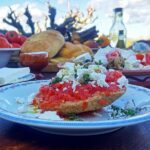
At the end of the class, you get a kalitsounia meal. In other words, you should plan for this to be a full food event, not a snack. The included items make it easier to budget your evening, since the ticket covers the ingredients and tools, plus the meal itself.
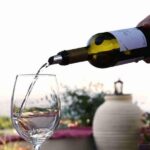
Local wine is also included. One practical rule: they only serve alcoholic drinks to legal-age guests. If you are traveling with mixed ages, plan on that and ask about your specific situation during check-in.
How to make this part go smoothly:
- Eat slowly, especially after tasting olive oil earlier. Your palate will be warmed up by then.
- If you are not drinking wine, it helps to still taste what is served alongside the meal so you can judge the oil and cheese flavors together.
- If you have allergies, notify the hosts in advance so they can guide you safely. The experience is built on shared ingredients, so this matters.
Who this is best for (and who might prefer something else)
This tour is a great fit if you want Crete through food, land, and people. It suits couples, small friend groups, and solo travelers who like conversation and hands-on activities. The small group size helps, and the format naturally encourages chatting with the hosts while you work.
It also works well if you like culture that you can taste, not just read about. The myth and tradition references, plus the health and healing talk through nature, give you more than a cooking trick. You get a fuller picture of why olive oil and cheese pies matter on Crete.
Consider another option if:
- you need private transport, because transportation is not included
- you struggle with uneven outdoor walking, because part of the evening includes moving through groves
- you want a quick photo stop with zero participation. This is cooking and tasting, not a drive-by attraction
If you do go, show up with the right expectations. Bring patience for a shared, collaborative evening. You are joining a family routine for a few hours.
Price and value: is $127.61 per person worth it?
At $127.61 per person, this is not a budget activity. But it also is not overpriced for what you get, assuming you value hands-on learning and a real meal.
Here’s the value logic in plain terms:
- You get a guide plus olive oil tasting
- You get ingredients and tools
- You cook kalitsounia together
- You eat a meal that includes what you made
- Local wine is included for legal-age guests
- The group is capped at 20, which tends to support better interaction
Also, you are paying for access to a family property with a historic Venetian castle on site. That kind of setting is not usually part of a standard cooking class. If you like learning by doing and you want food experiences that feel like an invitation rather than a transaction, this price can make sense.
If you prefer purely self-guided sightseeing, then you might feel the cost more. But if your vacation includes one or two standout meals, this is one of the stronger ways to spend an evening.
Tips to get the most from your evening
This class runs outdoors first, then moves to cooking and eating. A few simple choices will make your night smoother.
- Wear comfortable shoes for walking through groves
- Bring layers. Evening air can shift, especially with views on a terrace
- If you have allergies, notify the hosts ahead of time so they can plan appropriately
- If you plan to drink wine, consider pacing yourself. You’ll be tasting olive oil earlier too
- Keep your phone handy but not glued to it. The most memorable parts here happen during cooking and conversation
And mentally, switch from sightseeing mode to learning mode. Your goal is to understand how the ingredients connect, then take that knowledge to your own kitchen afterward.
Should you book the Chania Olive Oil Tasting and Cooking Class?
Book it if you want a genuine, hands-on Cretan food evening with a small group and real participation. The big reasons to choose it are the olive oil tasting tied to everyday land, the kalitsounia cooking with Eleanna, Anna, and Eleni, and the setting of a Venetian 15th-century castle-estate that feels like home, not a show.
Skip it if you need included transportation, dislike outdoor walking, or want a fast, low-effort activity. This is 3.5 hours where you work, taste, and share.
If you’re trying to pick just one culinary experience near Chania, this is the kind that tends to leave you with more than photos. You leave with skills, flavors, and a clear sense of what the hosts want you to understand about Crete.
FAQ
What time does the Chania olive oil tasting and cooking class start?
It starts at 6:00 pm, and the experience ends back at the same meeting point.
How long is the experience?
It lasts about 3 hours 30 minutes.
What is included in the ticket price?
The ticket includes a guide, olive oil tasting, a cooking class, ingredients and tools, a kalitsounia meal, and local wine.
Do I need to arrange transportation?
Yes. Private transportation is not included, and you’ll meet at the listed address in Nerokouros, Chania.
Is wine included for everyone?
Local wine is included, but they only serve alcoholic drinks to legal-age guests.
What should I do if I have allergies?
Notify the hosts of any allergies in advance so they can plan for you.
What is the group size?
The experience has a maximum of 20 travelers.
Is there a cancellation option if plans change?
Yes, free cancellation is available. You can cancel up to 24 hours in advance for a full refund.
More Food & Drink in Crete
Crete's Local Workshops

Recently Published: Crete Tours
- Creta Private Transfer from Heraklion (HER) Airport to Agia Pelagia★ 5.0 · 1 review
- Creta Private Transfer from Heraklion (HER) Airport to Stalís★ 5.0 · 1 review
- VISIT THE MOST FAMOUS PAINTER “EL GRECO” TOUR★ 5.0 · 1 review
- Crete: Balos Beach Viewpoint and Falassrna Beach Day Trip★ 5.0 · 1 review
- Samaria Gorge from Chania with Professional Hiking Guide★ 5.0 · 1 review
- Rethymno Bali & Panormo : Quad Safari & visit Cave 57km 4hours★ 5.0 · 1 review
- Unique wine tasting of organic Cretan wines★ 5.0 · 1 review
- Hersonissos: Private Sunset Catamaran Cruise, Snack & Drinks★ 5.0 · 1 review
Olive Oil Tastings, compared.
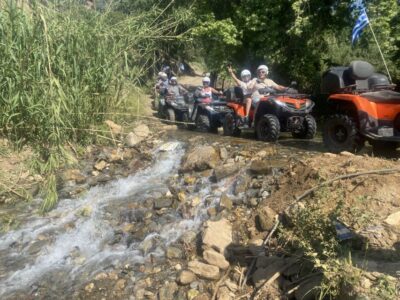
Quad Safari, Olive Mill with Tasting & Ghost Village
Read our review →
Knossos-Zeus Cave -Old Traditional Villages-Olive Oil Factory
Read our review →
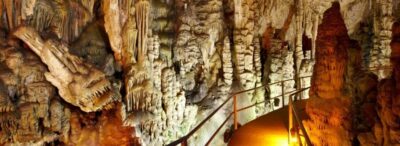
Road-trip to Lasithi, Zeus Cave & Olive Mill Farm
Read our review →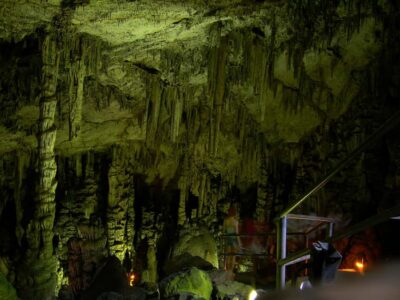
Lassithi, Zeus Cave, Olive Mill Farm & Knossos Combo Tour
Read our review →
Zeus Cave, Lassithi Plateau, Olive Oil Factory, Kritza, Pottery
Read our review →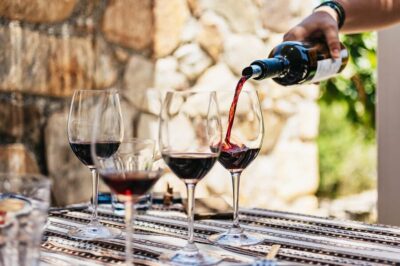
Browse the lists this tour appears in